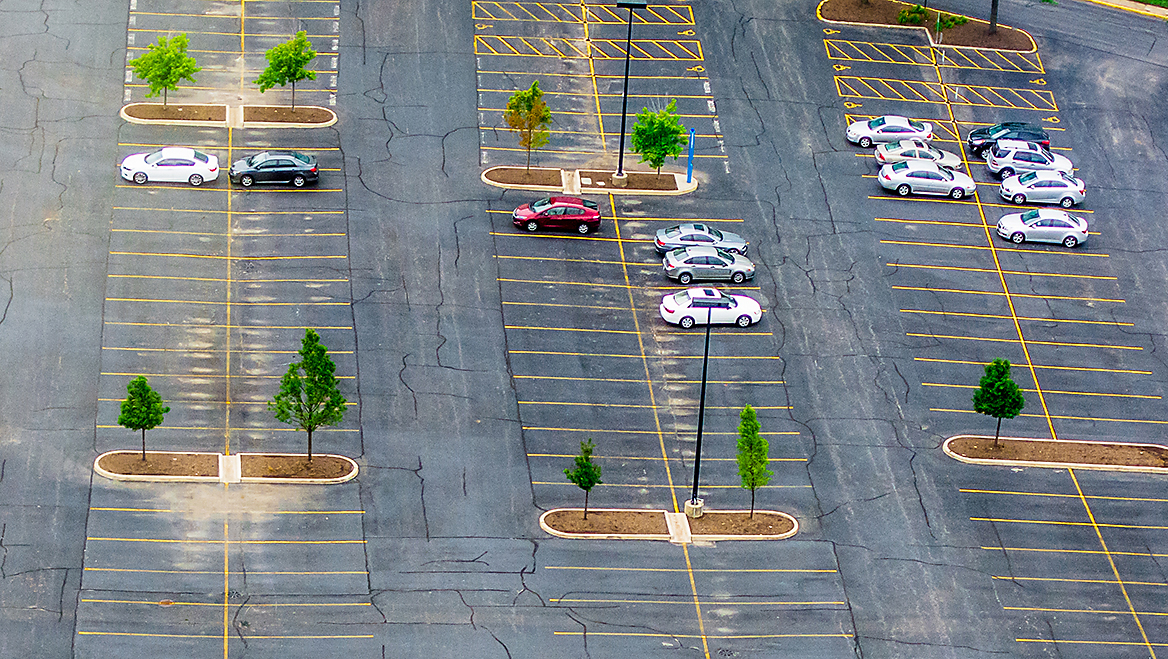
City Council Unanimously Approves Amendments To The City's Parking Code (Photo) - 06/08/23

NEWS RELEASE
June 8, 2023
CONTACT
Eden Dabbs
Public Information Officer, BPS
503-871-4326
eden.dabbs@portlandoregon.gov
FOR IMMEDIATE RELEASE
City Council unanimously approves amendments to the City’s Parking Code
New rules would eliminate minimum parking requirements for new development and ensure Portland is in alignment with state rules.
Portland, Ore. — Yesterday, Portland City Council voted unanimously to update Portland’s parking code to bring the city into compliance with the state’s parking requirements. After hearing public testimony on the Parking Compliance Amendments Project (PCAP) Recommended Draft, commissioners voted four to zero to approve code amendments that reflect recently adopted changes to the state’s Climate Friendly and Equitable Communities (CFEC) rules. The new amendments go into effect on June 30, 2023.
City Council also voted on three proposed amendments from Commissioner Carmen Rubio, which would change the “green features” development standards for new surface parking lots. As currently written, the Parking Compliance Amendments trigger inclusion of the green features standards for new parking lots larger than ¼ acre (or about 10,000 sq ft). The first amendment raises that threshold to ½ acre. The second amendment reduces the amount of tree canopy required with the green features standards from 50% of the parking lot to 40%. The last one clarifies that the parking design standard only applies to surface parking. All the amendments align the Parking Compliance Amendments with recent changes to the state rules.
As she cast the final vote, Commissioner Carmen Rubio said, “I’m really grateful that we live in a city that has already done a lot of the heavy lifting on parking reforms. So, the changes in front of us are small but significant. It also feels in many ways like minor code clean up because of our progress so far. Just one of the many things we’re doing to move Portland forward, and every part counts.”
Previously, the Portland Planning Commission (PC) voted on April 25 to recommend that City Council adopt the PCAP Recommended Draft (with one amendment), which included four proposals to bring Portland into compliance with the state’s new rules:
- Remove minimum parking space requirements.
- Update and simplify maximum parking space requirements.
- Adopt “green features” development standards for new surface parking lots.
- Miscellaneous technical items.
The PC’s one code amendment closes a loophole enabling all housing projects to take advantage of bike parking reductions intended only for housing projects for the elderly and disabled.
Background
Excess parking significantly impacts housing and business costs, the feasibility of housing and business redevelopment, walkability, air and water quality, climate pollution, and general community character. Parking mandates force people who don’t own or use cars to pay indirectly for other people’s parking. Planning practices of the past have imposed a one-size-fits-all requirement everywhere, creating incentives to own more cars and drive more.
In the summer of 2022, the Oregon Land Conservation and Development Commission (LCDC) approved the Climate Friendly and Equitable Communities (CFEC) rules, which require communities to change land use and transportation rules to help Oregonians meet their daily needs without driving, with more safe and comfortable ways to get around. There are several components to these rules, one of which is for communities to reduce or eliminate one-size-fits-all parking regulations, which is the focus of the Parking Compliance Amendments Project. Portland must implement these rules by June 30.
About the City of Portland Bureau of Planning and Sustainability
The Portland Bureau of Planning and Sustainability (BPS) develops creative and practical solutions to enhance Portland’s livability, preserve distinctive places and plan for a resilient future. BPS collaborates with community partners to provide comprehensive land use, neighborhood, district, economic, historic and environmental planning, and urban design; research, policy and technical services to advance green building, energy efficiency and the use of solar and renewable energy, waste prevention, composting and recycling, and a sustainable food system; and policy and actions to address climate change.
# # #