
WSU Tri-Cities

Emergency Messages as of 5:08 AM, Thu. Feb 26

No information currently posted.

logo

Subscribe to receive FlashAlert messages from WSU Tri-Cities.

News Release

Local Exhibit Highlights African American History Of East Pasco (Photo) - 02/25/26

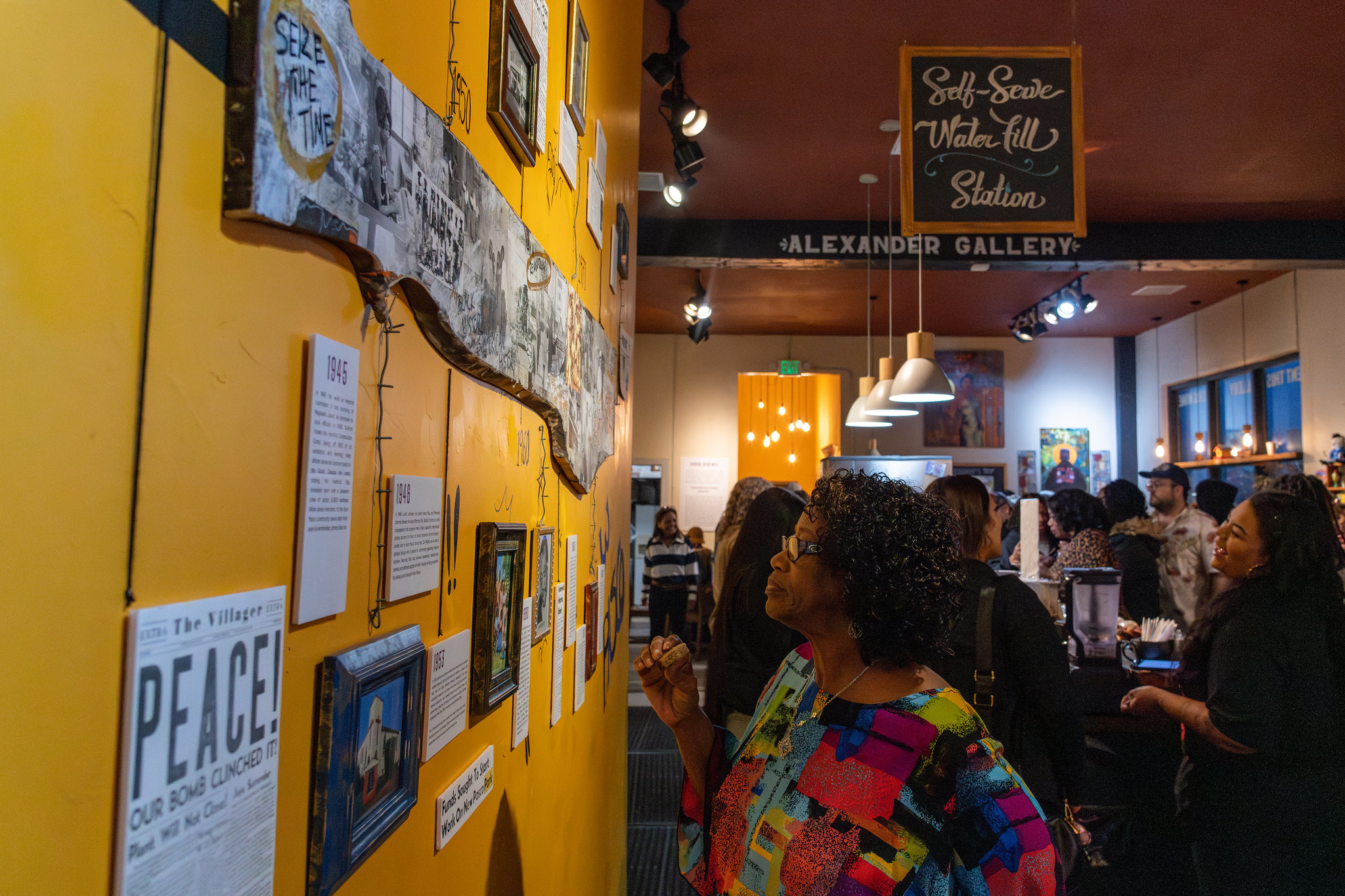
PASCO, Wash. — An exhibit in downtown Pasco is bringing renewed attention to the largely overlooked history of East Pasco’s African American community. “Eastside Temporalities,” on display at Cafe con Arte through the end of March, blends art, archival materials and multimedia storytelling to document life in the neighborhood from World War II through the early 1970s.


Just blocks from the 150-acre railyard that once divided Pasco along racial lines, the exhibit traces how Black families built a thriving community despite discriminatory housing policies that restricted where they could live. The project is the latest milestone in a multiyear, grant-funded initiative led by Washington State University Tri-Cities faculty in collaboration with community partners.


“By 1950, Pasco is about 20 percent Black, which per capita, is one of the largest Black populations in the West Coast,” said Robert Franklin, WSU Tri-Cities assistant professor of history and associate director of the Hanford History Project. “But it’s relegated to East Pasco.”


Franklin, the project’s principal investigator, has spent nearly a decade gathering photos, essays, oral histories and personal artifacts that anchor the exhibit. The materials illustrate both the opportunities and challenges that shaped the community, from Hanford-related job growth to the lack of basic infrastructure, exclusionary business practices and the impact of sundown policies in the region.


The exhibit also highlights stories of resilience, including the rise of Black-owned businesses and community organizing during the civil rights movement, as well as the lasting effects of 1970s urban renewal that displaced many families.


As part of the research project, Franklin's team made plans to facilitate two public workshops aimed at community engagement. The first was an Aug. 30 mapping event at Morning Star Baptist Church, the oldest Black church in the Tri-Cities. That event gathered surviving members of the old East Pasco community to mark up a giant map of the neighborhood with the former locations of homes and businesses. The exhibit itself serves as the second workshop, blending historical essays and photos with original artwork by East Pasco-raised photographer and mixed-media artist Joel Nunn-Sparks.


“Eastside Temporalities,” also features digital components, including audio and video stories accessible by mobile phone. Kyley Canion-Brewer, a WSU Tri-Cities doctoral candidate and Hanford History Project intern who helped organize the workshops, said the exhibit represents the work and efforts of many contributors, including business owners, WSU Tri-Cities students and more.


“This is a labor of love, but it’s very collaborative,” she said. 


If future funding allows, the team hopes to develop an interactive web application based on the community mapping project. For now, an artistic rendering of the map is included as part of the exhibit.


The exhibit is free and open to the public through March at Cafe con Arte in downtown Pasco. 


Additional background information on the history of East Pasco’s African American community can be found on the WSU Tri-Cities website: https://tricities.wsu.edu/local-exhibit-reclaims-the-african-american-history-of-old-east-pasco/
Local Exhibit Highlights African American History Of East Pasco (Photo) - 02/25/26

PASCO, Wash. — An exhibit in downtown Pasco is bringing renewed attention to the largely overlooked history of East Pasco’s African American community. “Eastside Temporalities,” on display at Cafe con Arte through the end of March, blends art, archival materials and multimedia storytelling to document life in the neighborhood from World War II through the early 1970s.


Just blocks from the 150-acre railyard that once divided Pasco along racial lines, the exhibit traces how Black families built a thriving community despite discriminatory housing policies that restricted where they could live. The project is the latest milestone in a multiyear, grant-funded initiative led by Washington State University Tri-Cities faculty in collaboration with community partners.


“By 1950, Pasco is about 20 percent Black, which per capita, is one of the largest Black populations in the West Coast,” said Robert Franklin, WSU Tri-Cities assistant professor of history and associate director of the Hanford History Project. “But it’s relegated to East Pasco.”


Franklin, the project’s principal investigator, has spent nearly a decade gathering photos, essays, oral histories and personal artifacts that anchor the exhibit. The materials illustrate both the opportunities and challenges that shaped the community, from Hanford-related job growth to the lack of basic infrastructure, exclusionary business practices and the impact of sundown policies in the region.


The exhibit also highlights stories of resilience, including the rise of Black-owned businesses and community organizing during the civil rights movement, as well as the lasting effects of 1970s urban renewal that displaced many families.


As part of the research project, Franklin's team made plans to facilitate two public workshops aimed at community engagement. The first was an Aug. 30 mapping event at Morning Star Baptist Church, the oldest Black church in the Tri-Cities. That event gathered surviving members of the old East Pasco community to mark up a giant map of the neighborhood with the former locations of homes and businesses. The exhibit itself serves as the second workshop, blending historical essays and photos with original artwork by East Pasco-raised photographer and mixed-media artist Joel Nunn-Sparks.


“Eastside Temporalities,” also features digital components, including audio and video stories accessible by mobile phone. Kyley Canion-Brewer, a WSU Tri-Cities doctoral candidate and Hanford History Project intern who helped organize the workshops, said the exhibit represents the work and efforts of many contributors, including business owners, WSU Tri-Cities students and more.


“This is a labor of love, but it’s very collaborative,” she said. 


If future funding allows, the team hopes to develop an interactive web application based on the community mapping project. For now, an artistic rendering of the map is included as part of the exhibit.


The exhibit is free and open to the public through March at Cafe con Arte in downtown Pasco. 


Additional background information on the history of East Pasco’s African American community can be found on the WSU Tri-Cities website: https://tricities.wsu.edu/local-exhibit-reclaims-the-african-american-history-of-old-east-pasco/