Sweet Home Fire Dist.

Emergency Messages as of 5:20 PM, Tue. Sep 29

No information currently posted.

Subscribe to receive FlashAlert messages from Sweet Home Fire Dist..

News Release

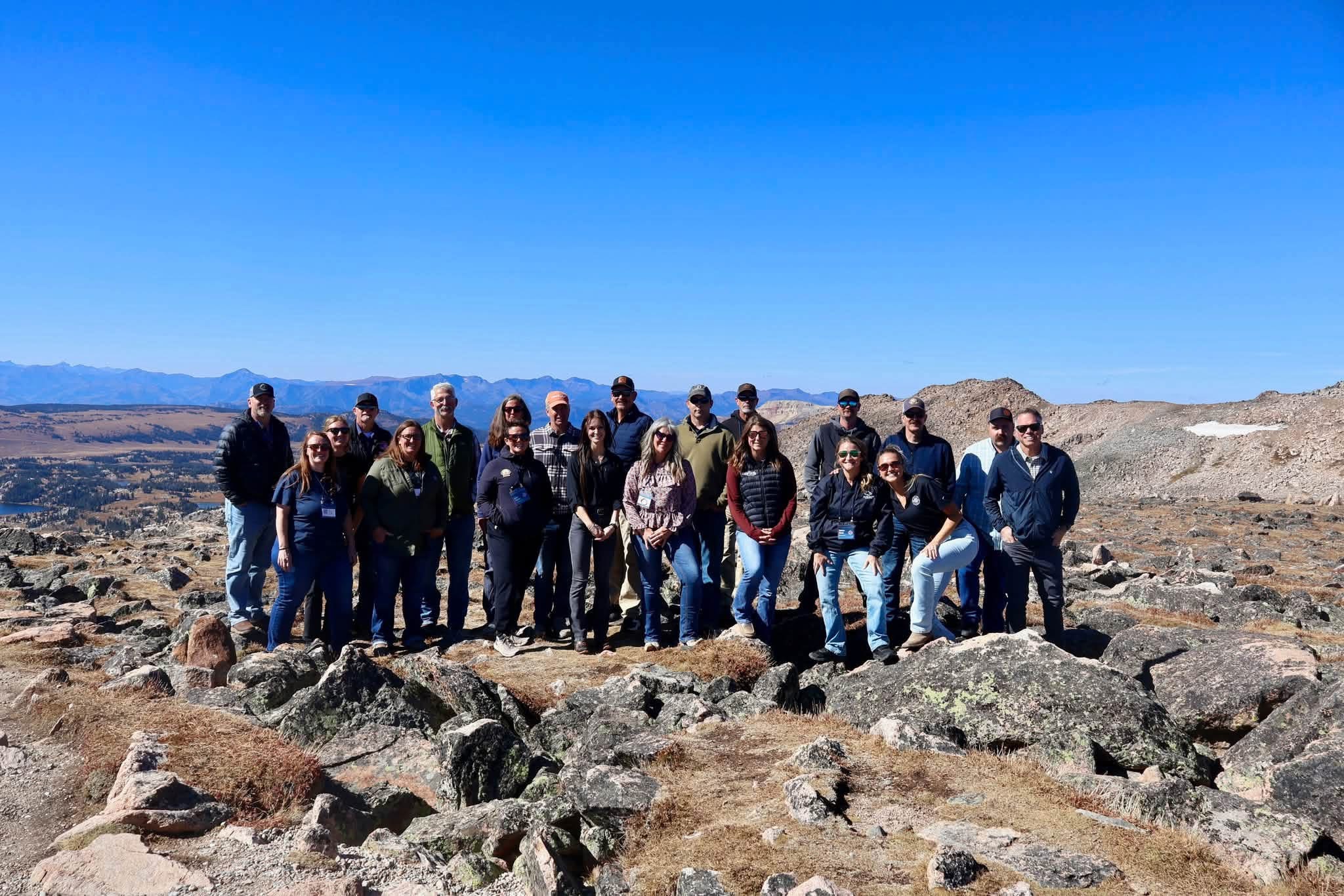
Sweet Home Fire Leaders Attend National Wildfire Exchange In Red Lodge, Montana (Photo) - 09/29/26

Sweet Home Fire & Ambulance District Fire Chief Nick Tyler and Division Chief of Wildland Christian Whitfield recently traveled to Red Lodge, Montana, to participate in the International Association of Fire Chiefs’ Fire Department Exchange (FDX), a national program designed to bring together fire departments and wildfire leaders from communities facing significant wildland-urban interface challenges.

The FDX Red Lodge exchange, held September 21–25, provided an opportunity for fire service leaders from across the country to spend several days learning from one another, visiting wildfire-prone areas and discussing practical approaches to protecting communities from wildfire.

For Tyler, one moment captured what made the experience unique: sitting at the top of Beartooth Pass discussing wildfire challenges with wildland fire leaders from across the country.

“Being at the top of Beartooth Pass, surrounded by that landscape and having a conversation with national wildland fire leaders about the challenges we're all facing was pretty amazing,” Tyler said. “These are people working on wildfire issues all over the country, but when you start talking, you realize how many of the challenges are shared. The landscapes may look different, but we're all trying to answer many of the same questions about how we better prepare our communities before the next major fire.”

Unlike a traditional conference, the IAFC Fire Department Exchange is centered on peer-to-peer learning. Participants spend time in the field and around the table discussing successful programs, lessons learned and challenges encountered in their own communities.

Topics discussed during the Red Lodge exchange included hazardous fuels reduction, defensible space, community wildfire planning, evacuation, public education, emergency response, building and land-use considerations and partnerships between local, state and federal agencies.

Those conversations have direct relevance to Sweet Home.

Sweet Home Fire & Ambulance District serves a community surrounded by forest and wildland vegetation, making wildfire preparedness an increasingly important part of the district's mission. The 2020 Labor Day fires demonstrated how quickly a large wildfire can threaten communities in western Oregon and reinforced the importance of completing preparedness and mitigation work before an emergency begins.

Sweet Home Fire has expanded that work significantly in recent years.

The district established its Community Wildfire Risk Reduction Program in 2023, providing residents with education and free wildfire risk assessments designed to identify practical ways to improve defensible space and reduce the vulnerability of homes and property.

The district has also developed a Wildland Fire Division, led by Whitfield, that has expanded Sweet Home Fire's ability to participate in fuels-reduction and wildfire mitigation projects. Through partnerships with agencies and organizations including the U.S. Forest Service, Oregon Department of Forestry, Oregon State Fire Marshal and others, the district has worked to move wildfire mitigation from planning into work on the ground.

For Whitfield, the exchange provided an opportunity to compare Sweet Home's developing programs with approaches being used in other wildfire-prone communities and bring those ideas back to Oregon.

“One of the most valuable parts of an exchange like this is seeing how other communities are approaching the same problems,” Whitfield said. “You can look at what has been successful somewhere else, talk directly with the people doing the work and then determine whether some of those ideas can be adapted to fit Sweet Home.”

The exchange also reinforced a central theme of modern wildfire preparedness: protecting a community from wildfire involves much more than responding with fire engines after a fire starts.

Successful wildfire resilience requires work long before an emergency, including reducing hazardous vegetation, creating defensible space around homes, educating residents, planning evacuations, identifying areas of greatest risk and building partnerships among fire departments, government agencies, landowners and community organizations.

“We're always going to prepare for the response side of wildfire, but we can't look at suppression as the only answer,” Tyler said. “The more work we can accomplish before a fire starts, the better position our firefighters and our community will be in when that day comes.”

Sweet Home also brought something valuable to the exchange.

The district's growing Wildland Fire Division, community risk-reduction efforts and partnerships on fuels-mitigation projects allowed Tyler and Whitfield to contribute their own experiences to the national discussion rather than simply attend as observers.

“That was another thing I appreciated about FDX,” Tyler said. “It wasn't one group telling everyone else how to do it. Everyone brought something to the conversation. We were able to learn from departments around the country, but we were also able to talk about what Sweet Home is doing and some of the successes and challenges we've experienced here.”

Tyler and Whitfield returned from Montana with new ideas, professional relationships and examples of programs that the district can evaluate for use in the Sweet Home area.

Perhaps equally important, the experience reinforced that the work already underway locally is part of a much larger national effort to help communities become more resilient to wildfire.

“We have a lot of work ahead of us, but we're also doing some really good things in Sweet Home,” Tyler said. “The value of going somewhere like Red Lodge is coming home with new ideas and relationships and asking ourselves, ‘What can we do better here?’ Ultimately, that's why we went, to bring something back that benefits the people we serve.”
Sweet Home Fire Leaders Attend National Wildfire Exchange In Red Lodge, Montana (Photo) - 09/29/26

Sweet Home Fire & Ambulance District Fire Chief Nick Tyler and Division Chief of Wildland Christian Whitfield recently traveled to Red Lodge, Montana, to participate in the International Association of Fire Chiefs’ Fire Department Exchange (FDX), a national program designed to bring together fire departments and wildfire leaders from communities facing significant wildland-urban interface challenges.

The FDX Red Lodge exchange, held September 21–25, provided an opportunity for fire service leaders from across the country to spend several days learning from one another, visiting wildfire-prone areas and discussing practical approaches to protecting communities from wildfire.

For Tyler, one moment captured what made the experience unique: sitting at the top of Beartooth Pass discussing wildfire challenges with wildland fire leaders from across the country.

“Being at the top of Beartooth Pass, surrounded by that landscape and having a conversation with national wildland fire leaders about the challenges we're all facing was pretty amazing,” Tyler said. “These are people working on wildfire issues all over the country, but when you start talking, you realize how many of the challenges are shared. The landscapes may look different, but we're all trying to answer many of the same questions about how we better prepare our communities before the next major fire.”

Unlike a traditional conference, the IAFC Fire Department Exchange is centered on peer-to-peer learning. Participants spend time in the field and around the table discussing successful programs, lessons learned and challenges encountered in their own communities.

Topics discussed during the Red Lodge exchange included hazardous fuels reduction, defensible space, community wildfire planning, evacuation, public education, emergency response, building and land-use considerations and partnerships between local, state and federal agencies.

Those conversations have direct relevance to Sweet Home.

Sweet Home Fire & Ambulance District serves a community surrounded by forest and wildland vegetation, making wildfire preparedness an increasingly important part of the district's mission. The 2020 Labor Day fires demonstrated how quickly a large wildfire can threaten communities in western Oregon and reinforced the importance of completing preparedness and mitigation work before an emergency begins.

Sweet Home Fire has expanded that work significantly in recent years.

The district established its Community Wildfire Risk Reduction Program in 2023, providing residents with education and free wildfire risk assessments designed to identify practical ways to improve defensible space and reduce the vulnerability of homes and property.

The district has also developed a Wildland Fire Division, led by Whitfield, that has expanded Sweet Home Fire's ability to participate in fuels-reduction and wildfire mitigation projects. Through partnerships with agencies and organizations including the U.S. Forest Service, Oregon Department of Forestry, Oregon State Fire Marshal and others, the district has worked to move wildfire mitigation from planning into work on the ground.

For Whitfield, the exchange provided an opportunity to compare Sweet Home's developing programs with approaches being used in other wildfire-prone communities and bring those ideas back to Oregon.

“One of the most valuable parts of an exchange like this is seeing how other communities are approaching the same problems,” Whitfield said. “You can look at what has been successful somewhere else, talk directly with the people doing the work and then determine whether some of those ideas can be adapted to fit Sweet Home.”

The exchange also reinforced a central theme of modern wildfire preparedness: protecting a community from wildfire involves much more than responding with fire engines after a fire starts.

Successful wildfire resilience requires work long before an emergency, including reducing hazardous vegetation, creating defensible space around homes, educating residents, planning evacuations, identifying areas of greatest risk and building partnerships among fire departments, government agencies, landowners and community organizations.

“We're always going to prepare for the response side of wildfire, but we can't look at suppression as the only answer,” Tyler said. “The more work we can accomplish before a fire starts, the better position our firefighters and our community will be in when that day comes.”

Sweet Home also brought something valuable to the exchange.

The district's growing Wildland Fire Division, community risk-reduction efforts and partnerships on fuels-mitigation projects allowed Tyler and Whitfield to contribute their own experiences to the national discussion rather than simply attend as observers.

“That was another thing I appreciated about FDX,” Tyler said. “It wasn't one group telling everyone else how to do it. Everyone brought something to the conversation. We were able to learn from departments around the country, but we were also able to talk about what Sweet Home is doing and some of the successes and challenges we've experienced here.”

Tyler and Whitfield returned from Montana with new ideas, professional relationships and examples of programs that the district can evaluate for use in the Sweet Home area.

Perhaps equally important, the experience reinforced that the work already underway locally is part of a much larger national effort to help communities become more resilient to wildfire.

“We have a lot of work ahead of us, but we're also doing some really good things in Sweet Home,” Tyler said. “The value of going somewhere like Red Lodge is coming home with new ideas and relationships and asking ourselves, ‘What can we do better here?’ Ultimately, that's why we went, to bring something back that benefits the people we serve.”