PCC

Emergency Messages as of 11:11 PM, Thu. Dec 4

No information currently posted.

Subscribe to receive FlashAlert messages from PCC.

News Release

VAL BRENNEIS HONORED FOR OUTSTANDING TEACHING IN PCC’S 100-ACRE ENVIRONMENTAL STUDIES CENTER (Photo) - 12/03/25

WASHINGTON COUNTY, Ore. – This fall, Portland Community College Rock Creek Campus recognized environmental studies and biology instructor Val Brenneis with the Galbraith Teaching Excellence Award, honoring her dedication to cross-disciplinary collaboration, student mentorship and community-engaged learning.


“The work that Val does to connect PCC to the community is inspirational,” said PCC Life Science and Biotechnology Program Dean Linda Fergusson-Kolmes. “She brings a depth of disciplinary expertise and professional integrity to all the places her work touches PCC students and the community.”


Brenneis, department co-chair for Environmental Studies and Resources and coordinator of the Rock Creek Environmental Studies Center, has spent 14 years helping students understand the deep connections linking people, ecosystems and community stewardship.


As faculty coordinator for the 100-acre natural area at Rock Creek, Brenneis helps lead restoration projects, community programming and partnerships with agencies and nonprofit organizations. Her work centers on protecting local ecosystems, improving access to nature and creating educational opportunities for students and community members.


Brenneis said the recognition reflects the efforts of many colleagues and partners who contribute to the center’s mission.


“I was very honored to be recognized by the Rock Creek campus community in this way,” she said. “I love working with faculty, staff and students both within and outside of my department to do creative and meaningful work that helps connect people to each other and the land.”


Originally from Southern California and now a longtime Southeast Portland resident, Brenneis brings a strong academic and professional background to her role. She holds a bachelor’s degree in Integrative Biology from the University of California at Berkeley, a master’s in Science Education from George Washington and a doctorate in Ecology from the University of California at Davis. She also earned a certificate in Geographic Information System from PCC, an experience she credits with strengthening her connection to the college’s mission.


“One of the strengths of community colleges is that we support students as they work toward their educational and career goals,” she said. “I feel fortunate to work in a place where we can integrate meaningful, hands-on learning into our teaching.”


Brenneis teaches a range of environmental studies courses, many of which transfer into Portland State University’s degree pathways. Whether analyzing data, practicing scientific communication or exploring ecosystems in the college’s “living lab,” Brenneis emphasizes active learning and encourages regular use of the environmental center.


“I really enjoy spending time with students engaged with each other in learning,” she said. “My colleagues and I work hard to keep our courses relevant and are always looking for better ways to teach effectively.”


This year, Brenneis expanded her community-engaged work by organizing two workshops for PCC students hosted by Indigenous educators. The first was a weaving workshop led by Stephanie Craig, a Kalapuya weaver and culture keeper known for her traditional artistry. Brenneis described the experience as “wonderful” and said it helped her better understand how cultural knowledge and land stewardship are interwoven across generations.


Also, Molly Leno of Rooted Ways joined Craig and led a workshop on herbal salves focused on traditional plant uses and sustainable harvesting practices. Both sessions reinforced the importance of learning from and building relationships with Indigenous community members.


Through the PCC Oaks Partners, the college collaborates with Indigenous-led organizations, local agencies and community members to support land care, ecological restoration and relationship repair at Rock Creek. A recent Metro Community Choice Nature in Neighborhoods grant is helping the environmental center improve trail accessibility and signage. This includes an ongoing renaming process guided by alum and facilitator Serina Fast Horse, who is leading outreach with tribal and Indigenous community members.


“This work is helping us honor the continuing relationship between Indigenous communities and the land,” Brenneis said. “Students care deeply about the world. My role is to help them build the skills, knowledge and relationships they need to put that care to good use.”


About Portland Community College: Founded in 1961, Portland Community College is the largest post-secondary institution in Oregon and provides training, degree and certificate completion, and lifelong learning to more than 57,000 full- and part-time students in Multnomah, Washington, Yamhill, Clackamas, and Columbia counties. PCC has four comprehensive campuses, 10 education centers or areas served, and approximately 200 community locations in the Portland metropolitan area. The PCC district encompasses a 1,500-square-mile area in northwest Oregon and offers two-year degrees, one-year certificate programs, short-term training, alternative education, pre-college courses and life-long learning.


Visit PCC news on the web at http://news.pcc.edu/


For B-ROLL footage, visit PCC campus and student life highlight reel.
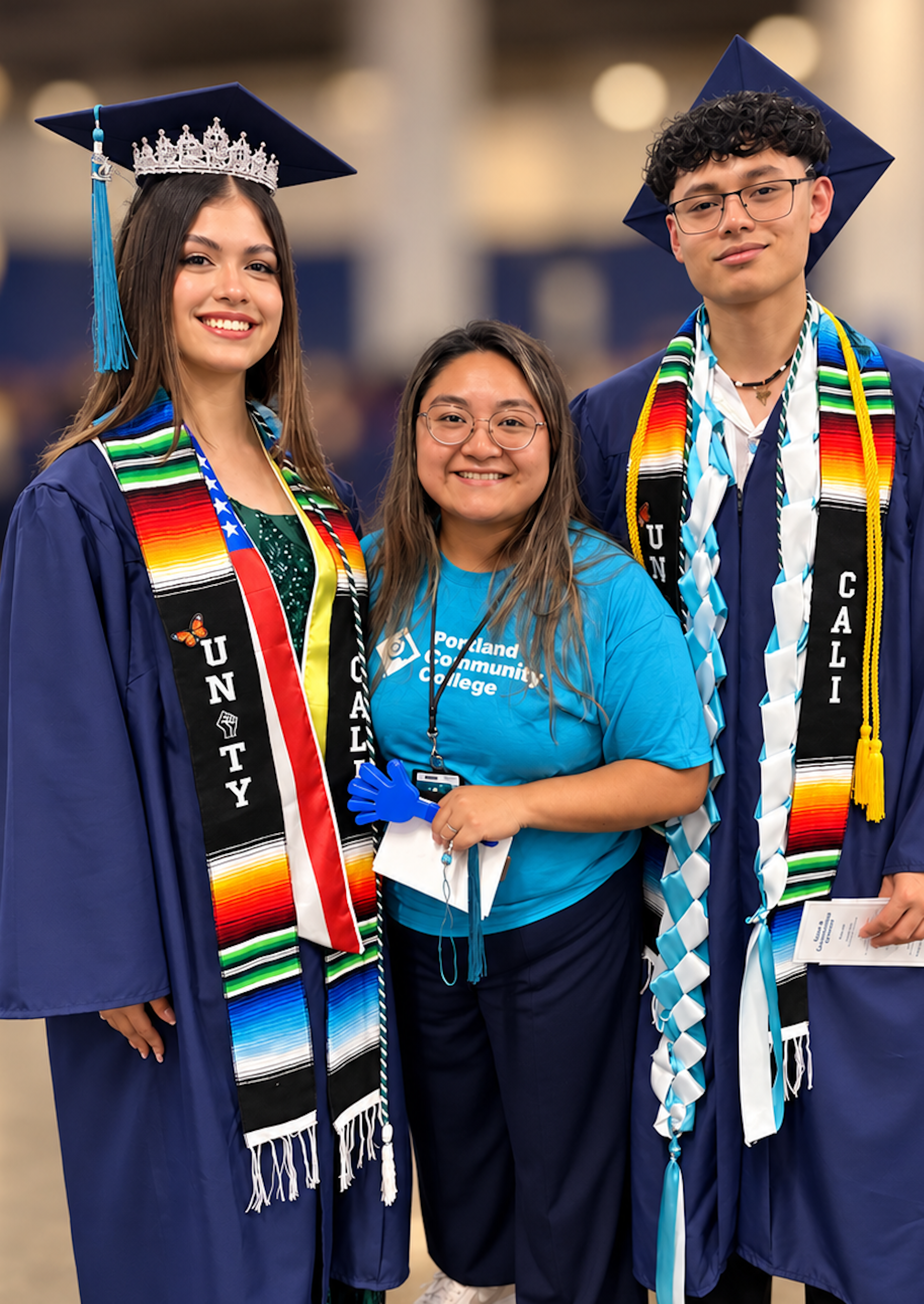
VAL BRENNEIS HONORED FOR OUTSTANDING TEACHING IN PCC’S 100-ACRE ENVIRONMENTAL STUDIES CENTER (Photo) - 12/03/25

WASHINGTON COUNTY, Ore. – This fall, Portland Community College Rock Creek Campus recognized environmental studies and biology instructor Val Brenneis with the Galbraith Teaching Excellence Award, honoring her dedication to cross-disciplinary collaboration, student mentorship and community-engaged learning.


“The work that Val does to connect PCC to the community is inspirational,” said PCC Life Science and Biotechnology Program Dean Linda Fergusson-Kolmes. “She brings a depth of disciplinary expertise and professional integrity to all the places her work touches PCC students and the community.”


Brenneis, department co-chair for Environmental Studies and Resources and coordinator of the Rock Creek Environmental Studies Center, has spent 14 years helping students understand the deep connections linking people, ecosystems and community stewardship.


As faculty coordinator for the 100-acre natural area at Rock Creek, Brenneis helps lead restoration projects, community programming and partnerships with agencies and nonprofit organizations. Her work centers on protecting local ecosystems, improving access to nature and creating educational opportunities for students and community members.


Brenneis said the recognition reflects the efforts of many colleagues and partners who contribute to the center’s mission.


“I was very honored to be recognized by the Rock Creek campus community in this way,” she said. “I love working with faculty, staff and students both within and outside of my department to do creative and meaningful work that helps connect people to each other and the land.”


Originally from Southern California and now a longtime Southeast Portland resident, Brenneis brings a strong academic and professional background to her role. She holds a bachelor’s degree in Integrative Biology from the University of California at Berkeley, a master’s in Science Education from George Washington and a doctorate in Ecology from the University of California at Davis. She also earned a certificate in Geographic Information System from PCC, an experience she credits with strengthening her connection to the college’s mission.


“One of the strengths of community colleges is that we support students as they work toward their educational and career goals,” she said. “I feel fortunate to work in a place where we can integrate meaningful, hands-on learning into our teaching.”


Brenneis teaches a range of environmental studies courses, many of which transfer into Portland State University’s degree pathways. Whether analyzing data, practicing scientific communication or exploring ecosystems in the college’s “living lab,” Brenneis emphasizes active learning and encourages regular use of the environmental center.


“I really enjoy spending time with students engaged with each other in learning,” she said. “My colleagues and I work hard to keep our courses relevant and are always looking for better ways to teach effectively.”


This year, Brenneis expanded her community-engaged work by organizing two workshops for PCC students hosted by Indigenous educators. The first was a weaving workshop led by Stephanie Craig, a Kalapuya weaver and culture keeper known for her traditional artistry. Brenneis described the experience as “wonderful” and said it helped her better understand how cultural knowledge and land stewardship are interwoven across generations.


Also, Molly Leno of Rooted Ways joined Craig and led a workshop on herbal salves focused on traditional plant uses and sustainable harvesting practices. Both sessions reinforced the importance of learning from and building relationships with Indigenous community members.


Through the PCC Oaks Partners, the college collaborates with Indigenous-led organizations, local agencies and community members to support land care, ecological restoration and relationship repair at Rock Creek. A recent Metro Community Choice Nature in Neighborhoods grant is helping the environmental center improve trail accessibility and signage. This includes an ongoing renaming process guided by alum and facilitator Serina Fast Horse, who is leading outreach with tribal and Indigenous community members.


“This work is helping us honor the continuing relationship between Indigenous communities and the land,” Brenneis said. “Students care deeply about the world. My role is to help them build the skills, knowledge and relationships they need to put that care to good use.”


About Portland Community College: Founded in 1961, Portland Community College is the largest post-secondary institution in Oregon and provides training, degree and certificate completion, and lifelong learning to more than 57,000 full- and part-time students in Multnomah, Washington, Yamhill, Clackamas, and Columbia counties. PCC has four comprehensive campuses, 10 education centers or areas served, and approximately 200 community locations in the Portland metropolitan area. The PCC district encompasses a 1,500-square-mile area in northwest Oregon and offers two-year degrees, one-year certificate programs, short-term training, alternative education, pre-college courses and life-long learning.


Visit PCC news on the web at http://news.pcc.edu/


For B-ROLL footage, visit PCC campus and student life highlight reel.
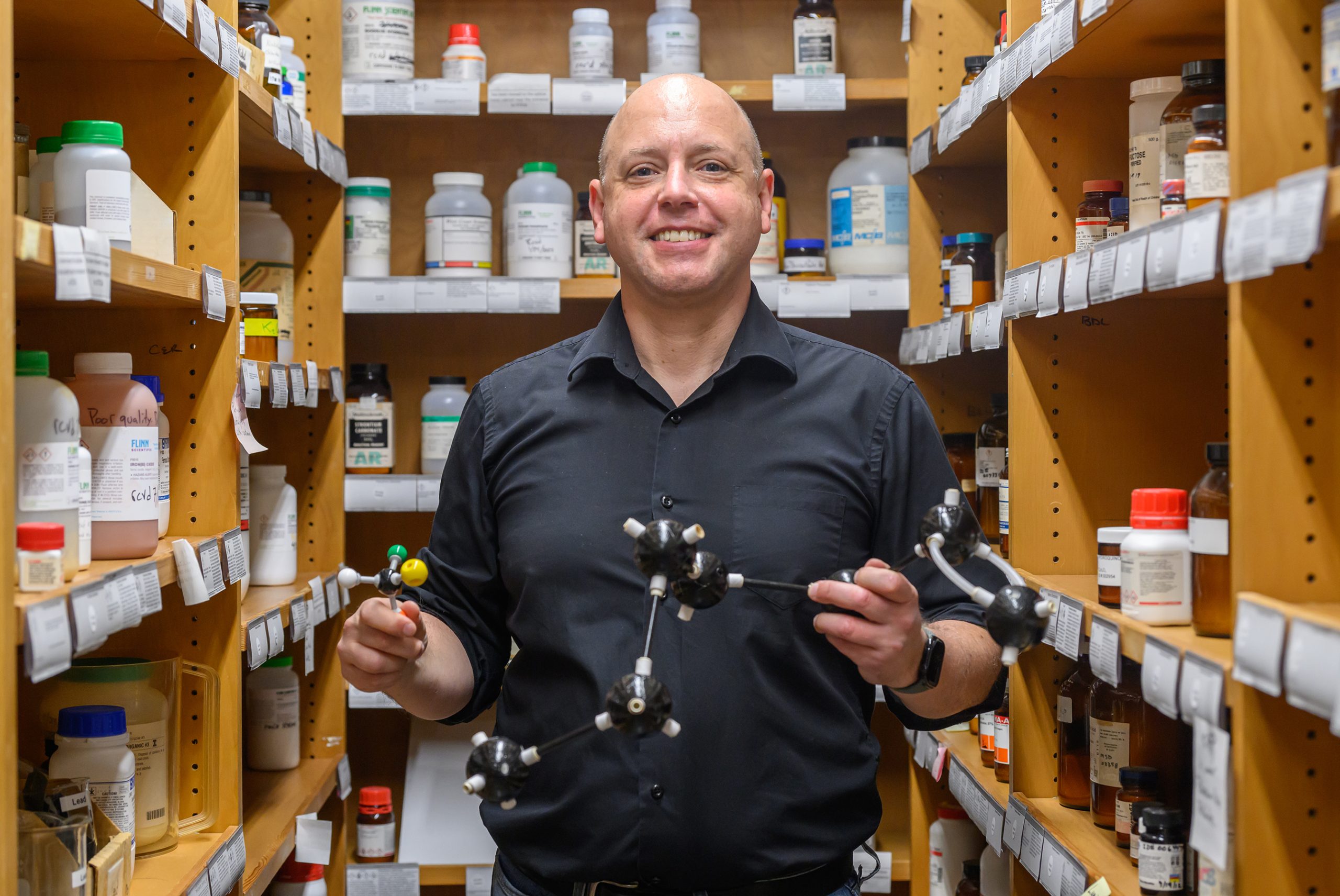
PCC Earns Gold, Deepens Commitment To Climate And Sustainability Leadership (Photo) - 11/25/25

PORTLAND, Ore. – Portland Community College is once again making waves in the sustainability world. 


The Association for the Advancement of Sustainability in Higher Education (AASHE) recently named PCC a top performer in its 2025 Campus Sustainability Index for Associate and Short-Cycle Institutions, adding another major milestone in the college’s long-standing commitment to environmental responsibility. This recognition follows PCC’s Gold rating from STARS (Sustainability Tracking, Assessment & Rating System) in March from the most widely recognized framework for publicly reporting sustainability performance in higher education.


“We are thrilled, as this sustainability rockstar-like designation validates our collaborative and holistic approach,” said Briar Wray, PCC’s associate dean of sustainability strategies. “This is a big year for us as we update our Climate Action Plan and continue pushing the envelope for sustainability leadership in higher education.”


In addition to its overall Gold rating, PCC earned special recognition for excellence in "Buildings & Grounds, Procurement and Waste, and Innovation," particularly for its Basic Needs and Sustainability Leadership program. The Campus Sustainability Index is grounded in the STARS system, which assesses progress in five major categories: academics; engagement; operations; planning and administration; and innovation and leadership.


“We’re so pleased to be recognized by AASHE with a STARS Gold rating for our sustainability accomplishments,” said Stephania Fregosi, PCC sustainability analyst. “At PCC, sustainability happens across the institution, and it’s awesome to see how our values are transforming the college.”


PCC’s sustainability efforts span nearly 20 years. The college’s Board of Directors adopted a Sustainability Policy in 2006 and soon after signed the American College and University Presidents’ Climate Commitment, setting a course toward climate neutrality.


Since 2012, PCC has used STARS to measure and enhance its progress, earning recognition as a top performer among associate-level institutions nationwide. The 2025 Gold rating represents the college’s strongest performance to date.


With more than 1,200 participants in 52 countries, AASHE’s STARS program is a transparent, open-access platform that promotes shared learning and collaboration across higher education. Ratings—ranging from Bronze to Platinum—reflect how deeply sustainability is woven into an institution’s culture and operations.


Sustainability remains an essential pillar of PCC’s mission, driving initiatives that integrate environmental stewardship into academics, operations, and community engagement. As the college revises its Climate Action Plan, leaders say the work is far from done.


“We’re proud of how far we’ve come,” Wray said. “But sustainability is about continuous improvement. We’re stretching to go even deeper, to make PCC a model for what’s possible.”


For more information, visit pcc.edu/sustainability or pcc.edu/climateaction


About Portland Community College: Founded in 1961, Portland Community College is the largest post-secondary institution in Oregon and provides training, degree and certificate completion, and lifelong learning to more than 57,000 full- and part-time students in Multnomah, Washington, Yamhill, Clackamas, and Columbia counties. PCC has four comprehensive campuses, 10 education centers or areas served, and approximately 200 community locations in the Portland metropolitan area. The PCC district encompasses a 1,500-square-mile area in northwest Oregon and offers two-year degrees, one-year certificate programs, short-term training, alternative education, pre-college courses and life-long learning.

 Visit PCC news on the web at http://news.pcc.edu/

For B-ROLL footage, visit PCC campus and student life highlight reel.
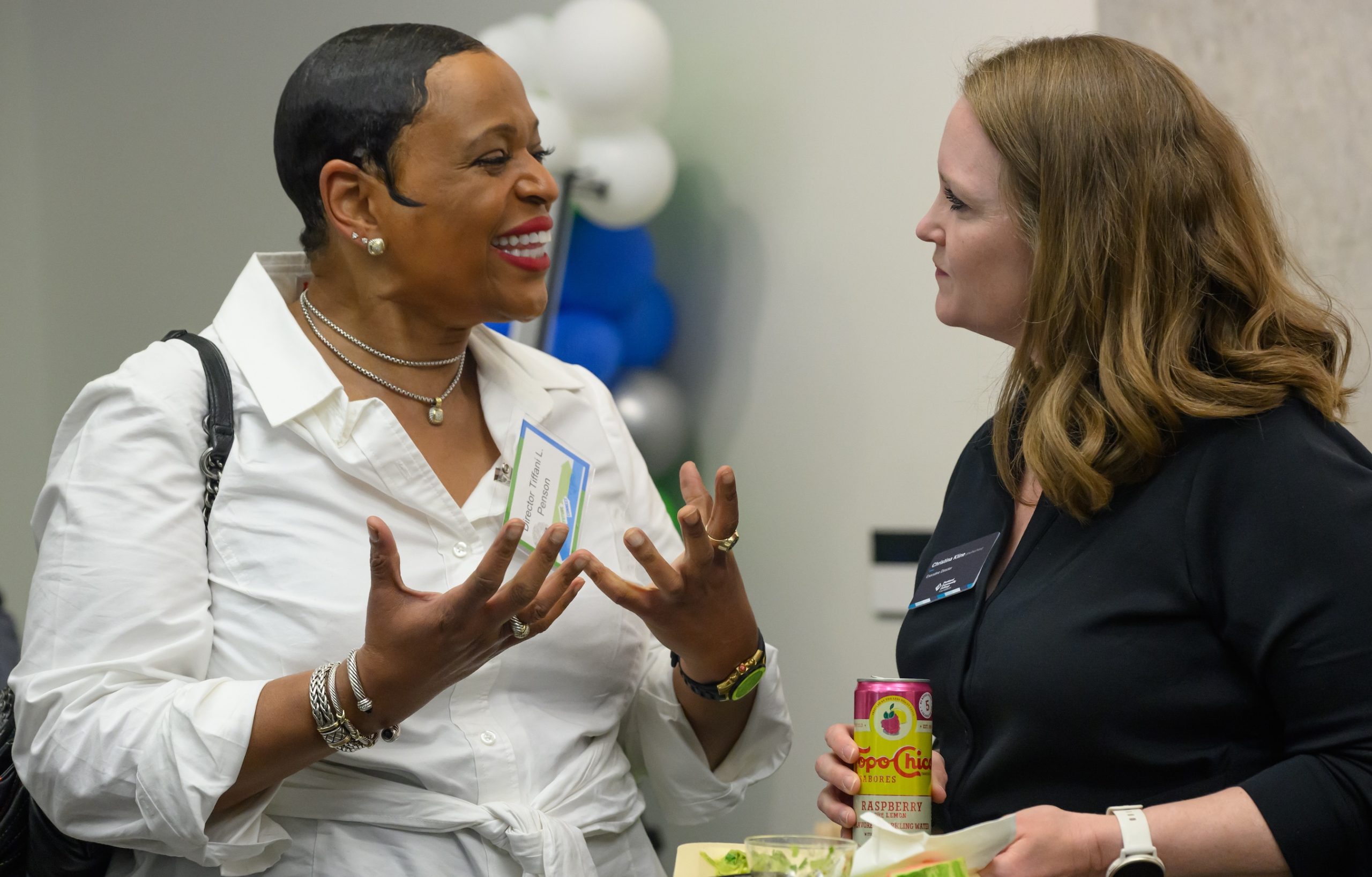
 

PCC Earns Gold, Deepens Commitment To Climate And Sustainability Leadership (Photo) - 11/25/25

PORTLAND, Ore. – Portland Community College is once again making waves in the sustainability world. 


The Association for the Advancement of Sustainability in Higher Education (AASHE) recently named PCC a top performer in its 2025 Campus Sustainability Index for Associate and Short-Cycle Institutions, adding another major milestone in the college’s long-standing commitment to environmental responsibility. This recognition follows PCC’s Gold rating from STARS (Sustainability Tracking, Assessment & Rating System) in March from the most widely recognized framework for publicly reporting sustainability performance in higher education.


“We are thrilled, as this sustainability rockstar-like designation validates our collaborative and holistic approach,” said Briar Wray, PCC’s associate dean of sustainability strategies. “This is a big year for us as we update our Climate Action Plan and continue pushing the envelope for sustainability leadership in higher education.”


In addition to its overall Gold rating, PCC earned special recognition for excellence in "Buildings & Grounds, Procurement and Waste, and Innovation," particularly for its Basic Needs and Sustainability Leadership program. The Campus Sustainability Index is grounded in the STARS system, which assesses progress in five major categories: academics; engagement; operations; planning and administration; and innovation and leadership.


“We’re so pleased to be recognized by AASHE with a STARS Gold rating for our sustainability accomplishments,” said Stephania Fregosi, PCC sustainability analyst. “At PCC, sustainability happens across the institution, and it’s awesome to see how our values are transforming the college.”


PCC’s sustainability efforts span nearly 20 years. The college’s Board of Directors adopted a Sustainability Policy in 2006 and soon after signed the American College and University Presidents’ Climate Commitment, setting a course toward climate neutrality.


Since 2012, PCC has used STARS to measure and enhance its progress, earning recognition as a top performer among associate-level institutions nationwide. The 2025 Gold rating represents the college’s strongest performance to date.


With more than 1,200 participants in 52 countries, AASHE’s STARS program is a transparent, open-access platform that promotes shared learning and collaboration across higher education. Ratings—ranging from Bronze to Platinum—reflect how deeply sustainability is woven into an institution’s culture and operations.


Sustainability remains an essential pillar of PCC’s mission, driving initiatives that integrate environmental stewardship into academics, operations, and community engagement. As the college revises its Climate Action Plan, leaders say the work is far from done.


“We’re proud of how far we’ve come,” Wray said. “But sustainability is about continuous improvement. We’re stretching to go even deeper, to make PCC a model for what’s possible.”


For more information, visit pcc.edu/sustainability or pcc.edu/climateaction


About Portland Community College: Founded in 1961, Portland Community College is the largest post-secondary institution in Oregon and provides training, degree and certificate completion, and lifelong learning to more than 57,000 full- and part-time students in Multnomah, Washington, Yamhill, Clackamas, and Columbia counties. PCC has four comprehensive campuses, 10 education centers or areas served, and approximately 200 community locations in the Portland metropolitan area. The PCC district encompasses a 1,500-square-mile area in northwest Oregon and offers two-year degrees, one-year certificate programs, short-term training, alternative education, pre-college courses and life-long learning.

 Visit PCC news on the web at http://news.pcc.edu/

For B-ROLL footage, visit PCC campus and student life highlight reel.


PCC Innovates How New Students Are Supported In Their First Year Of College (Photo) - 11/12/25

PORTLAND, Ore. – Across the nation, community colleges are seeing fewer first-generation and low-income students complete their degree programs. At Portland Community College, this national decline is colliding with a local reality of recovering enrollment and increasing financial pressure for a turning point at the state’s largest postsecondary institution.


Yet amid these challenges, PCC has found opportunity. With the support of federal, state and philanthropic partners, the college is reshaping how it approaches student success. Under these pressures, PCC has become increasingly strategic in how it sees students' success by instituting the First-Year Experience (FYE).


While most community colleges in the country have similar first-year experience programs (estimates are at 80%), PCC employed a design team made up of staff from different departments to create a first-year experience that would be tailored specifically to the college. This student-centered initiative is designed to support new students during one of the most critical times in their educational journey: their very first year of college.


“Creating a sense of belonging and connection for students is incredibly important,” said Josh Laurie, dean of College Success Programs. “That first term, second term and that first year are crucial for building student momentum.”

A Strong Start for First-Generation Students

Starting college can be overwhelming, especially for first-generation students who often have no family roadmap to follow. PCC’s new FYE program aims to change that by surrounding students with personalized guidance and connection from day one.


FYE builds on the success of nationally recognized Future Connect, a mentoring program launched in 2011 that pairs first-generation and low-income students with dedicated coaches and scholarships. After FYE’s pilot year in 2024–25 that reached approximately 2,000 first-time, first-generation students, PCC expanded the effort to include “all first-time-in-college” students, about 5,000 this fall.


Each participant is paired with a FYE coach, who provides one-on-one guidance throughout the academic year. Coaches text students weekly, remind them about campus resources and events, and help them navigate challenges from financial aid to course registration.


“Our First-Year Experience coaches provide holistic, wraparound support to every single student,” said Jana Daugherty, program coordinator. “They support the whole human, not just the individual in class.”

This includes connecting students with all PCC on-campus resources like the Student Basic Needs Center for referrals to childcare, PCC Panther Pantry, counseling, bike rentals, transit passes, as well as off-campus resources like housing and more.

Connecting Students Through Pathways 

To deepen that support, PCC has embedded six FYE coaches within its guided pathways or academic grouping. This alignment allows coaches to connect students to one another and pathway-specific opportunities and resources.


“This year, what we did is we connected coaches to every guided pathway,” Laurie explained. “Now they have a very specific pathway they're aligned with to better serve students.”


That personalized connection helps students see how their studies fit into long-term goals while ensuring no one slips through the cracks. Daugherty said the outreach begins even before students step into class.


“Coaches reach out weekly, usually it’s a text message,” she said. “Even if students don’t engage every time, they know they’re not alone on this journey.”


FYE also includes an interactive online module hosted on D2L, PCC’s learning platform. Modeled after the college’s “success courses,” the module gamifies learning as students complete weekly levels, earn badges, and can qualify for scholarships by finishing all levels.


Last year’s pilot showed strong early results: FYE met nearly all its goals for retention, grade-point average and credit completion, and about half of all students regularly engaged with their coaches. Those outcomes encouraged the college to scale up the program across all campuses.

A Community Investment

PCC designed FYE with long-term sustainability in mind. Its braided funding model combines general fund support, private donations and foundation grants.


The PCC Foundation received one of its largest gifts by an individual donor to fund the initiative. The $1 million gift pledge by Brigid Flanigan, who is founder and principal of Tenfold Senior Living, is helping build and expand the offerings and support. The pledge will be fulfilled at $200,000 per year over five years.


Laurie said other foundations like the Oregon Community Foundation and Meyer Memorial Trust also have provided funding. 


Faculty and staff are also playing a role. Course rosters now include an FYE attribute identifying participating students, allowing instructors to offer extra encouragement and connect them with their coaches when needed. Ultimately, the FYE is about more than numbers, it is about belonging.


“I would say first-generation students show up as really brave,” Daugherty said. “Our college community is so much better because of all of them.”


Laurie agrees. “When I see texts from students saying, ‘Thank you for this. I’m so excited for next week,’ that’s really special,” he said. “Those moments remind us why this work matters.”


For more information visit the pcc.edu/first-year and meet FYE’s staff.


About Portland Community College: Founded in 1961, Portland Community College is the largest post-secondary institution in Oregon and provides training, degree and certificate completion, and lifelong learning to more than 57,000 full- and part-time students in Multnomah, Washington, Yamhill, Clackamas, and Columbia counties. PCC has four comprehensive campuses, 10 education centers or areas served, and approximately 200 community locations in the Portland metropolitan area. The PCC district encompasses a 1,500-square-mile area in northwest Oregon and offers two-year degrees, one-year certificate programs, short-term training, alternative education, pre-college courses and life-long learning.


Visit PCC news on the web at http://news.pcc.edu/


For B-ROLL footage, visit PCC campus and student life highlight reel.

PCC Innovates How New Students Are Supported In Their First Year Of College (Photo) - 11/12/25

PORTLAND, Ore. – Across the nation, community colleges are seeing fewer first-generation and low-income students complete their degree programs. At Portland Community College, this national decline is colliding with a local reality of recovering enrollment and increasing financial pressure for a turning point at the state’s largest postsecondary institution.


Yet amid these challenges, PCC has found opportunity. With the support of federal, state and philanthropic partners, the college is reshaping how it approaches student success. Under these pressures, PCC has become increasingly strategic in how it sees students' success by instituting the First-Year Experience (FYE).


While most community colleges in the country have similar first-year experience programs (estimates are at 80%), PCC employed a design team made up of staff from different departments to create a first-year experience that would be tailored specifically to the college. This student-centered initiative is designed to support new students during one of the most critical times in their educational journey: their very first year of college.


“Creating a sense of belonging and connection for students is incredibly important,” said Josh Laurie, dean of College Success Programs. “That first term, second term and that first year are crucial for building student momentum.”

A Strong Start for First-Generation Students

Starting college can be overwhelming, especially for first-generation students who often have no family roadmap to follow. PCC’s new FYE program aims to change that by surrounding students with personalized guidance and connection from day one.


FYE builds on the success of nationally recognized Future Connect, a mentoring program launched in 2011 that pairs first-generation and low-income students with dedicated coaches and scholarships. After FYE’s pilot year in 2024–25 that reached approximately 2,000 first-time, first-generation students, PCC expanded the effort to include “all first-time-in-college” students, about 5,000 this fall.


Each participant is paired with a FYE coach, who provides one-on-one guidance throughout the academic year. Coaches text students weekly, remind them about campus resources and events, and help them navigate challenges from financial aid to course registration.


“Our First-Year Experience coaches provide holistic, wraparound support to every single student,” said Jana Daugherty, program coordinator. “They support the whole human, not just the individual in class.”

This includes connecting students with all PCC on-campus resources like the Student Basic Needs Center for referrals to childcare, PCC Panther Pantry, counseling, bike rentals, transit passes, as well as off-campus resources like housing and more.

Connecting Students Through Pathways 

To deepen that support, PCC has embedded six FYE coaches within its guided pathways or academic grouping. This alignment allows coaches to connect students to one another and pathway-specific opportunities and resources.


“This year, what we did is we connected coaches to every guided pathway,” Laurie explained. “Now they have a very specific pathway they're aligned with to better serve students.”


That personalized connection helps students see how their studies fit into long-term goals while ensuring no one slips through the cracks. Daugherty said the outreach begins even before students step into class.


“Coaches reach out weekly, usually it’s a text message,” she said. “Even if students don’t engage every time, they know they’re not alone on this journey.”


FYE also includes an interactive online module hosted on D2L, PCC’s learning platform. Modeled after the college’s “success courses,” the module gamifies learning as students complete weekly levels, earn badges, and can qualify for scholarships by finishing all levels.


Last year’s pilot showed strong early results: FYE met nearly all its goals for retention, grade-point average and credit completion, and about half of all students regularly engaged with their coaches. Those outcomes encouraged the college to scale up the program across all campuses.

A Community Investment

PCC designed FYE with long-term sustainability in mind. Its braided funding model combines general fund support, private donations and foundation grants.


The PCC Foundation received one of its largest gifts by an individual donor to fund the initiative. The $1 million gift pledge by Brigid Flanigan, who is founder and principal of Tenfold Senior Living, is helping build and expand the offerings and support. The pledge will be fulfilled at $200,000 per year over five years.


Laurie said other foundations like the Oregon Community Foundation and Meyer Memorial Trust also have provided funding. 


Faculty and staff are also playing a role. Course rosters now include an FYE attribute identifying participating students, allowing instructors to offer extra encouragement and connect them with their coaches when needed. Ultimately, the FYE is about more than numbers, it is about belonging.


“I would say first-generation students show up as really brave,” Daugherty said. “Our college community is so much better because of all of them.”


Laurie agrees. “When I see texts from students saying, ‘Thank you for this. I’m so excited for next week,’ that’s really special,” he said. “Those moments remind us why this work matters.”


For more information visit the pcc.edu/first-year and meet FYE’s staff.


About Portland Community College: Founded in 1961, Portland Community College is the largest post-secondary institution in Oregon and provides training, degree and certificate completion, and lifelong learning to more than 57,000 full- and part-time students in Multnomah, Washington, Yamhill, Clackamas, and Columbia counties. PCC has four comprehensive campuses, 10 education centers or areas served, and approximately 200 community locations in the Portland metropolitan area. The PCC district encompasses a 1,500-square-mile area in northwest Oregon and offers two-year degrees, one-year certificate programs, short-term training, alternative education, pre-college courses and life-long learning.


Visit PCC news on the web at http://news.pcc.edu/


For B-ROLL footage, visit PCC campus and student life highlight reel.