Oregon Dept. of Forestry

Emergency Messages as of 3:23 PM, Tue. Nov 10

No information currently posted.

logo

Subscribe to receive FlashAlert messages from Oregon Dept. of Forestry.

News Release

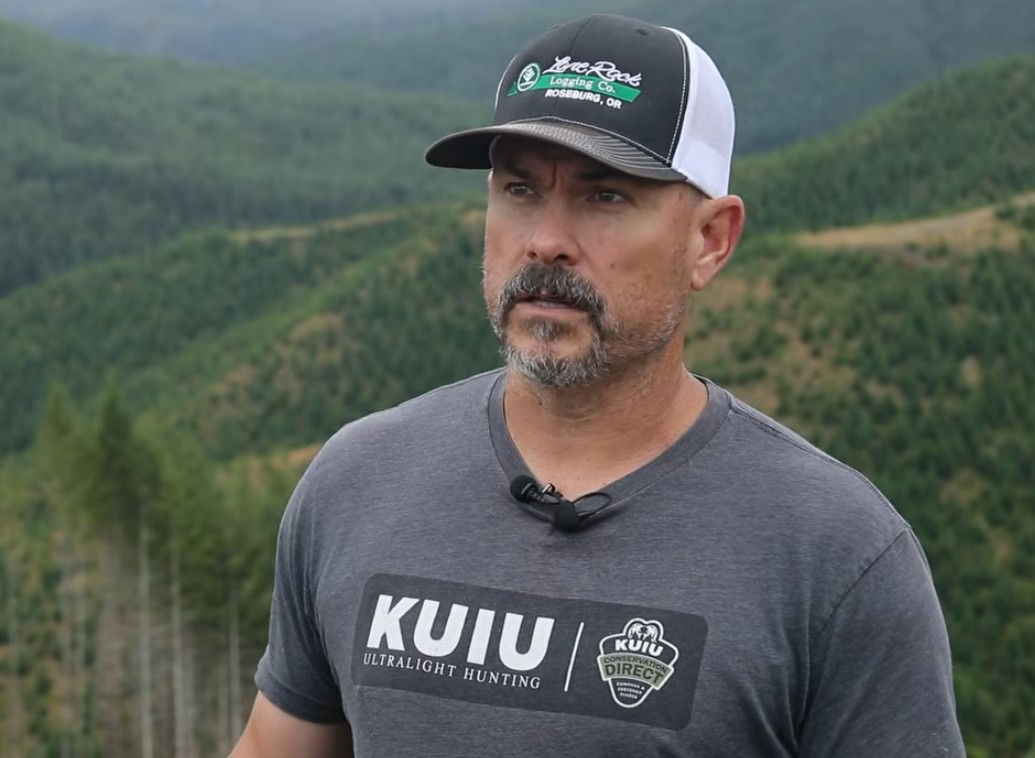
Oregon Department Of Forestry Announces Roseburg-based Lone Rock Logging Is Southwest Oregon’s Top Forest Operator For 2026 (Photo) - 11/10/26

ROSEBURG, Ore. – Lone Rock Logging, based in Roseburg, is one of three logging companies chosen recently as Operator of the Year for their respective region of Oregon. The Southwest Oregon regional advisory committee to the Oregon Board of Forestry selected Lone Rock last month. The firm and two other logging company regional recipients will be recognized in Salem at the January meeting of the Board. The other honorees are: 

  • Eastern Oregon — Wood River Timber, Inc., headquartered in Klamath Falls, Ore.
  • Northwest Oregon — Iron Horse Logging, Inc., out of Mapleton, Ore. in Lane County

The award recognizes forest operators who, while harvesting timber or doing other forestry work, have a track record of protecting natural resources and improving forest health at a level that consistently meets or exceeds requirements of the Oregon Forest Practices Act *. The Act requires people to manage forests responsibly and protect streams and water quality, protect and enhance habitat, and reduce landslide risks. The law also requires landowners to replant forests after harvesting.  


Videos about each of the three Operators of the Year and three Merit Award winners can be viewed on the ODF website at https://www.oregon.gov/odf/Working/Pages/default.aspx 


Honors earned for logging work in SW Oregon 

Lone Rock Logging was chosen as Operator of the Year for the Southwest Oregon Region for their track record of meeting the highest standards of the Oregon Forest Practices Act. In particular, they were cited for successfully working under new Forest Practices Act rules requiring wider stream buffers to be protected as well as new equipment limitation zones on draws leading to fish-bearing streams.  


Lone Rock took extra efforts to protect the retained trees without damaging them while running cables through the tops. They did not break a bunch of limbs or damage tops despite having to make multiple yarding corridor changes through trees in the buffer. They succeeded by using several harvesting practices and preplanning cutting to position logs where the yarding equipment could reach them without damaging the leave trees. These practices protected thousands of feet of protected tree buffers along a wetland and similar retention zones in hillside draws.


Leaving trees in those stands served various purposes, including protecting soil from erosion and downstream water from sediments. Trees left standing would also be available when they eventually fell over to deliver woody debris for future fish habitat. To do so, Lone Rock had to set up multiple yarding sites and haul logs up to landings.


One innovation the company is trialing is the use of synthetic cable as an extension to the traditional, heavy steel cable. The lighter cable is less likely to damage trees when it is passing logs through a buffer.


ODF Forest Resources Division Chief Josh Barnard said, “the selection committees had excellent candidates this year when choosing who they would honor, all of whom showed they went to great lengths to protect the forest environment.”


Barnard said nominees showed they could meet the challenge of working under new harvesting rules. The updated Oregon Forest Practices Act rules provide more protection for forest resources, such as wider buffers for fish-bearing streams and retaining more trees in especially steep areas.  


“Many of the harvest sites this year had terrain that was quite challenging,” said Barnard. “The Operators of the Year showed extraordinary care and diligence to protect slopes and streams. We’re proud to recognize those efforts.” 


Merit Award earned by another Douglas County-based firm 

C and M Timberland Resources, LLC, is headquartered in Glide, Ore., east of Roseburg. They earned a Merit Award for placing a large culvert in a deep ravine on a concrete base they built, then piling tens of feet of dirt on top to create a stable crossing for logging trucks, then faced the whole thing with boulders to prevent erosion. They also built a bridge over a fish stream, hauling in 52-foot long sections on a winding logging road. Their work improved the channel and stabilized the streambank on either side. On the same parcel they also had to excavate a steep forested hillside to put in a logging road, all while successfully preventing sediment from reaching a nearby stream.

Merit Awards were also given to two other companies. 

  • Eastern Oregon 

J and J Timber Resources based in Haines in eastern Oregon’s Baker County.

  • Northwest Oregon

Perrigo Timber, LLC, based in Warrenton, Ore.


* Oregon enacted the Forest Practices Act in 1971 as a national model for forest management laws. The law focuses on ensuring responsible forest operations and protecting natural resources in forestland. The Act has been updated many times based on new scientific information and values to create a balanced approach to natural resource management. 
Oregon Department Of Forestry Announces Roseburg-based Lone Rock Logging Is Southwest Oregon’s Top Forest Operator For 2026 (Photo) - 11/10/26

ROSEBURG, Ore. – Lone Rock Logging, based in Roseburg, is one of three logging companies chosen recently as Operator of the Year for their respective region of Oregon. The Southwest Oregon regional advisory committee to the Oregon Board of Forestry selected Lone Rock last month. The firm and two other logging company regional recipients will be recognized in Salem at the January meeting of the Board. The other honorees are: 

  • Eastern Oregon — Wood River Timber, Inc., headquartered in Klamath Falls, Ore.
  • Northwest Oregon — Iron Horse Logging, Inc., out of Mapleton, Ore. in Lane County

The award recognizes forest operators who, while harvesting timber or doing other forestry work, have a track record of protecting natural resources and improving forest health at a level that consistently meets or exceeds requirements of the Oregon Forest Practices Act *. The Act requires people to manage forests responsibly and protect streams and water quality, protect and enhance habitat, and reduce landslide risks. The law also requires landowners to replant forests after harvesting.  


Videos about each of the three Operators of the Year and three Merit Award winners can be viewed on the ODF website at https://www.oregon.gov/odf/Working/Pages/default.aspx 


Honors earned for logging work in SW Oregon 

Lone Rock Logging was chosen as Operator of the Year for the Southwest Oregon Region for their track record of meeting the highest standards of the Oregon Forest Practices Act. In particular, they were cited for successfully working under new Forest Practices Act rules requiring wider stream buffers to be protected as well as new equipment limitation zones on draws leading to fish-bearing streams.  


Lone Rock took extra efforts to protect the retained trees without damaging them while running cables through the tops. They did not break a bunch of limbs or damage tops despite having to make multiple yarding corridor changes through trees in the buffer. They succeeded by using several harvesting practices and preplanning cutting to position logs where the yarding equipment could reach them without damaging the leave trees. These practices protected thousands of feet of protected tree buffers along a wetland and similar retention zones in hillside draws.


Leaving trees in those stands served various purposes, including protecting soil from erosion and downstream water from sediments. Trees left standing would also be available when they eventually fell over to deliver woody debris for future fish habitat. To do so, Lone Rock had to set up multiple yarding sites and haul logs up to landings.


One innovation the company is trialing is the use of synthetic cable as an extension to the traditional, heavy steel cable. The lighter cable is less likely to damage trees when it is passing logs through a buffer.


ODF Forest Resources Division Chief Josh Barnard said, “the selection committees had excellent candidates this year when choosing who they would honor, all of whom showed they went to great lengths to protect the forest environment.”


Barnard said nominees showed they could meet the challenge of working under new harvesting rules. The updated Oregon Forest Practices Act rules provide more protection for forest resources, such as wider buffers for fish-bearing streams and retaining more trees in especially steep areas.  


“Many of the harvest sites this year had terrain that was quite challenging,” said Barnard. “The Operators of the Year showed extraordinary care and diligence to protect slopes and streams. We’re proud to recognize those efforts.” 


Merit Award earned by another Douglas County-based firm 

C and M Timberland Resources, LLC, is headquartered in Glide, Ore., east of Roseburg. They earned a Merit Award for placing a large culvert in a deep ravine on a concrete base they built, then piling tens of feet of dirt on top to create a stable crossing for logging trucks, then faced the whole thing with boulders to prevent erosion. They also built a bridge over a fish stream, hauling in 52-foot long sections on a winding logging road. Their work improved the channel and stabilized the streambank on either side. On the same parcel they also had to excavate a steep forested hillside to put in a logging road, all while successfully preventing sediment from reaching a nearby stream.

Merit Awards were also given to two other companies. 

  • Eastern Oregon 

J and J Timber Resources based in Haines in eastern Oregon’s Baker County.

  • Northwest Oregon

Perrigo Timber, LLC, based in Warrenton, Ore.


* Oregon enacted the Forest Practices Act in 1971 as a national model for forest management laws. The law focuses on ensuring responsible forest operations and protecting natural resources in forestland. The Act has been updated many times based on new scientific information and values to create a balanced approach to natural resource management.