Oregon Dept. of Forestry

Emergency Messages as of 1:43 PM, Thu. May 28

No information currently posted.

logo

Subscribe to receive FlashAlert messages from Oregon Dept. of Forestry.

News Release

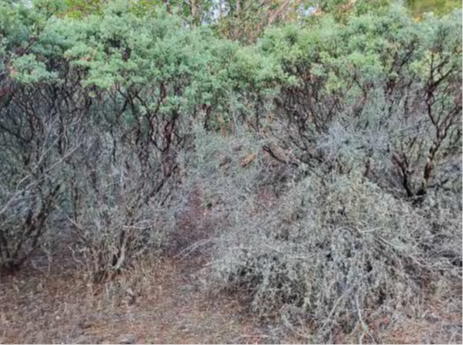
Landscape Resilience Investments Reduce Wildfire Risks Making An Impact (Photo) - 05/28/26

SALEM, Ore. — The Oregon Department of Forestry (ODF) launched a new round of funding through its Small Forestland Grant Program to help landowners reduce wildfire risk before and after the 2026 fire season.


“By investing in the Oregon Department of Forestry’s Small Forestland Grant Program, we aren't just preparing for the next fire season, we are securing Oregon’s future,” said Mike Kroon, Forest Resources Division Deputy Chief.


The grant program supports work that began in 2021. Since then, ODF and partner organizations have continued investing in statewide wildfire mitigation to protect natural resources, homes, and communities. 


 “This program turns taxpayer dollars into tangible protection, helping small landowners reduce fuel loads that would otherwise threaten our communities,” said Kroon. “It’s a foundational piece of Oregon’s 20-year Landscape Resiliency Strategy that maximizes every dollar to build a landscape that is resilient, defensible from wildfires, and safer for all of us.”


2024–2026 Project Investments


This year, ODF awarded funds to 11 projects to mitigate wildfire risk on 1,023 acres by reducing hazardous fuels, improving community preparedness, and supporting long-term landscape resilience.


Most of the funded work is in Southern and Central Oregon, where wildfire risk is especially high.


One of the awardees for this year has already begun work. One example is in the Tollgate community outside of Sisters, Oregon.


"In addition to significantly reducing hazardous fuels, the thinning operations funded through the ODF Small Forestland Grant Program have substantially improved emergency access and defensible space for more than 190 Tollgate properties,” said Tollgate community landowner Christina Maier. “Residents have deeply appreciated ODF’s partnership and support, recognizing both the immediate wildfire risk reduction benefits and the long-term improvements to community safety, evacuation access, and forest health.”


Success Story: Applegate Partnership and Watershed Council


One example of success comes from the Applegate Partnership and Watershed Council, based in Jacksonville, Oregon, which received Small Forestland Grant funds to complete significant fuels reduction and community engagement work. ODF also coordinates with state and federal partners to maximize the impact of investments for landscape resiliency.

The project used about $269,000 to significantly improve local wildfire preparedness by:

  • Assessing wildfire risk for 60 homeowners
  • Removing more than 800 dead or hazardous trees
  • Reducing plants along driveways and public roads to make safe evacuation routes
  • Improving firefighter access in and around communities

The removal of hazardous trees also reduced safety risks for residents, forestry workers and first responders. This project strengthened community safety, reduced wildfire risks, and improved the landscape’s resilience.


The project leveraged more than $2.4 million provided through the National Resource Conservation Service to treat another 262 acres of private land. To stretch funding further, ODF and partners used a cost-share model that encouraged landowner participation. Landowners have contributed $45,349, about 18% of the total cost of work completed.
Landscape Resilience Investments Reduce Wildfire Risks Making An Impact (Photo) - 05/28/26

SALEM, Ore. — The Oregon Department of Forestry (ODF) launched a new round of funding through its Small Forestland Grant Program to help landowners reduce wildfire risk before and after the 2026 fire season.


“By investing in the Oregon Department of Forestry’s Small Forestland Grant Program, we aren't just preparing for the next fire season, we are securing Oregon’s future,” said Mike Kroon, Forest Resources Division Deputy Chief.


The grant program supports work that began in 2021. Since then, ODF and partner organizations have continued investing in statewide wildfire mitigation to protect natural resources, homes, and communities. 


 “This program turns taxpayer dollars into tangible protection, helping small landowners reduce fuel loads that would otherwise threaten our communities,” said Kroon. “It’s a foundational piece of Oregon’s 20-year Landscape Resiliency Strategy that maximizes every dollar to build a landscape that is resilient, defensible from wildfires, and safer for all of us.”


2024–2026 Project Investments


This year, ODF awarded funds to 11 projects to mitigate wildfire risk on 1,023 acres by reducing hazardous fuels, improving community preparedness, and supporting long-term landscape resilience.


Most of the funded work is in Southern and Central Oregon, where wildfire risk is especially high.


One of the awardees for this year has already begun work. One example is in the Tollgate community outside of Sisters, Oregon.


"In addition to significantly reducing hazardous fuels, the thinning operations funded through the ODF Small Forestland Grant Program have substantially improved emergency access and defensible space for more than 190 Tollgate properties,” said Tollgate community landowner Christina Maier. “Residents have deeply appreciated ODF’s partnership and support, recognizing both the immediate wildfire risk reduction benefits and the long-term improvements to community safety, evacuation access, and forest health.”


Success Story: Applegate Partnership and Watershed Council


One example of success comes from the Applegate Partnership and Watershed Council, based in Jacksonville, Oregon, which received Small Forestland Grant funds to complete significant fuels reduction and community engagement work. ODF also coordinates with state and federal partners to maximize the impact of investments for landscape resiliency.

The project used about $269,000 to significantly improve local wildfire preparedness by:

  • Assessing wildfire risk for 60 homeowners
  • Removing more than 800 dead or hazardous trees
  • Reducing plants along driveways and public roads to make safe evacuation routes
  • Improving firefighter access in and around communities

The removal of hazardous trees also reduced safety risks for residents, forestry workers and first responders. This project strengthened community safety, reduced wildfire risks, and improved the landscape’s resilience.


The project leveraged more than $2.4 million provided through the National Resource Conservation Service to treat another 262 acres of private land. To stretch funding further, ODF and partners used a cost-share model that encouraged landowner participation. Landowners have contributed $45,349, about 18% of the total cost of work completed.