Oregon Dept. of Forestry

Emergency Messages as of 2:56 PM, Wed. Mar 25

No information currently posted.

logo

Subscribe to receive FlashAlert messages from Oregon Dept. of Forestry.

News Release

ODF Program Invests More Than $3.2 Million To Accelerate Forest Resilience Work In Oregon (Photo) - 03/25/26

SALEM, Ore. — The Oregon Department of Forestry’s (ODF) Federal Forest Restoration Program (FFR Program) is awarding $3 million in planning assistance funding and separate grants of nearly $264,000 to forest collaboratives.


“These new investments reflect a simple strategy: invest in the people, science, and planning needed to deliver more forest restoration work on the ground,” said Kyle Sullivan-Astor, ODF’s Federal Forest Restoration Program Lead.


The program also recently released a new report highlighting on-the-ground accomplishments, recent investments, and key program developments.


$3 million awarded to accelerate “A to Z” planning for large federal projects


The $3 million in “A to Z” Planning Assistance funding for the 2025–27 biennium is to help the U.S. Forest Service accelerate National Environmental Policy Act (NEPA) planning for high-priority, landscape-scale projects.   


“All landscape resiliency work on federal lands must comply with mandatory environmental laws,” said Sullivan-Astor. “That process is thorough, helps avoid and mitigate environmental harm, and often requires significant time and resources. This funding allows ODF to see projects through from A to Z, adding expertise and capacity to our federal partners and getting work done more quickly than it otherwise would.”


Awards include:

  • Rogue River–Siskiyou National Forest (Grayback) — $500,000
  • Mt. Hood National Forest (The Dalles Watershed) — $500,000
  • Malheur National Forest (Bogue Gulch) — $600,000
  • Umpqua National Forest (Thunder Cat) — $650,000
  • Wallowa–Whitman National Forest (Unity Point) — $750,000

One example of this funding at work is in the Rogue River–Siskiyou National Forest. The Grayback project proposes thinning and fuels reduction on approximately 4,000 acres to improve forest resiliency, reduce fuel loading, and improve public and firefighter access in a high-risk wildfire landscape. Treatments will include plantation thinning and fuels reduction along strategic fuel management zones, and opportunities for maintenance.


For an overview of all the funded projects and details on the associated work go here.


Planning assistance grants are a combination of state General Funds and federal Infrastructure Investment and Jobs Act funds provided to ODF.


First-round Forest Collaborative Grant awards announced


ODF, working in partnership with the Oregon Watershed Enhancement Board (OWEB), awarded $138,899 under the Forest Collaborative Grant program.

A forest collaborative is a local group of people and organizations with different perspectives on public forest management who work together to find common ground and support active management projects.


“The overarching goal of this program is to increase the number, acreage, and complexity of collaboratively planned restoration projects on federal lands in Oregon by strengthening governance, supporting zones of agreement, and supporting collective action where coordination help is needed,” said Sullivan-Astor.  

Those receiving the grants include:

  • Southern Oregon Forest Restoration Collaborative—$76,709 for Rogue Forests in Transition: Building Collaborative Solutions.
  • Wasco Soil and Water Conservation District—$62,190 for Mt. Hood East Zone Forest Collaborative Project supporting collaborative engagement around the South Wasco Ecosystem Restoration effort.

For an overview of the projects go here.


“These grants support the ‘people infrastructure’ that helps federal agencies and communities surface disagreements early, build shared understanding, and develop more durable restoration priorities over time,” said Sullivan-Astor.


$125,000 in Technical Assistance and Science Support awards for collaboratives


ODF also awarded $125,000 in Technical Assistance and Science Support grants to support project partnerships between forest collaboratives and external technical/science providers.


“TASS projects are designed to provide collaboratives with specialized expertise, such as scientific analysis, communications support, monitoring design, tools, and training, with a clearly defined public deliverable at project completion,” said Sullivan-Astor.


For an overview of the projects go here.


About the Federal Forest Restoration Program


The Oregon Legislature created the Federal Forest Restoration Program in 2013 to improve the resilience of Oregon’s federal forests. The FFR Program plays a role in the state’s ability to work across ownership boundaries to reduce the risk of stand-replacing wildfire, improve forest and watershed health, and create jobs in rural, forest dependent communities.


For more on the Federal Forest Restoration Program go here.
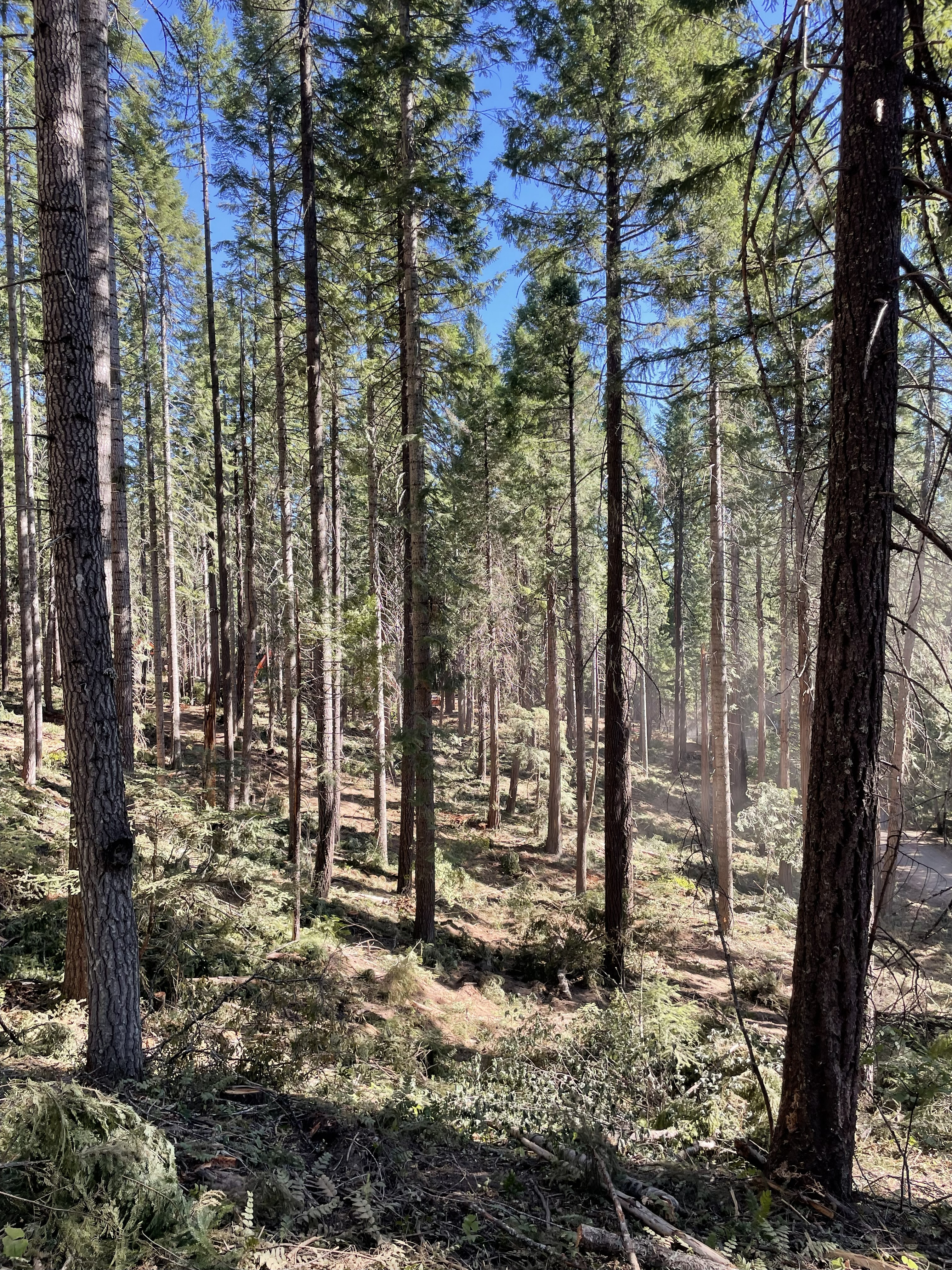
ODF Program Invests More Than $3.2 Million To Accelerate Forest Resilience Work In Oregon (Photo) - 03/25/26

SALEM, Ore. — The Oregon Department of Forestry’s (ODF) Federal Forest Restoration Program (FFR Program) is awarding $3 million in planning assistance funding and separate grants of nearly $264,000 to forest collaboratives.


“These new investments reflect a simple strategy: invest in the people, science, and planning needed to deliver more forest restoration work on the ground,” said Kyle Sullivan-Astor, ODF’s Federal Forest Restoration Program Lead.


The program also recently released a new report highlighting on-the-ground accomplishments, recent investments, and key program developments.


$3 million awarded to accelerate “A to Z” planning for large federal projects


The $3 million in “A to Z” Planning Assistance funding for the 2025–27 biennium is to help the U.S. Forest Service accelerate National Environmental Policy Act (NEPA) planning for high-priority, landscape-scale projects.   


“All landscape resiliency work on federal lands must comply with mandatory environmental laws,” said Sullivan-Astor. “That process is thorough, helps avoid and mitigate environmental harm, and often requires significant time and resources. This funding allows ODF to see projects through from A to Z, adding expertise and capacity to our federal partners and getting work done more quickly than it otherwise would.”


Awards include:

  • Rogue River–Siskiyou National Forest (Grayback) — $500,000
  • Mt. Hood National Forest (The Dalles Watershed) — $500,000
  • Malheur National Forest (Bogue Gulch) — $600,000
  • Umpqua National Forest (Thunder Cat) — $650,000
  • Wallowa–Whitman National Forest (Unity Point) — $750,000

One example of this funding at work is in the Rogue River–Siskiyou National Forest. The Grayback project proposes thinning and fuels reduction on approximately 4,000 acres to improve forest resiliency, reduce fuel loading, and improve public and firefighter access in a high-risk wildfire landscape. Treatments will include plantation thinning and fuels reduction along strategic fuel management zones, and opportunities for maintenance.


For an overview of all the funded projects and details on the associated work go here.


Planning assistance grants are a combination of state General Funds and federal Infrastructure Investment and Jobs Act funds provided to ODF.


First-round Forest Collaborative Grant awards announced


ODF, working in partnership with the Oregon Watershed Enhancement Board (OWEB), awarded $138,899 under the Forest Collaborative Grant program.

A forest collaborative is a local group of people and organizations with different perspectives on public forest management who work together to find common ground and support active management projects.


“The overarching goal of this program is to increase the number, acreage, and complexity of collaboratively planned restoration projects on federal lands in Oregon by strengthening governance, supporting zones of agreement, and supporting collective action where coordination help is needed,” said Sullivan-Astor.  

Those receiving the grants include:

  • Southern Oregon Forest Restoration Collaborative—$76,709 for Rogue Forests in Transition: Building Collaborative Solutions.
  • Wasco Soil and Water Conservation District—$62,190 for Mt. Hood East Zone Forest Collaborative Project supporting collaborative engagement around the South Wasco Ecosystem Restoration effort.

For an overview of the projects go here.


“These grants support the ‘people infrastructure’ that helps federal agencies and communities surface disagreements early, build shared understanding, and develop more durable restoration priorities over time,” said Sullivan-Astor.


$125,000 in Technical Assistance and Science Support awards for collaboratives


ODF also awarded $125,000 in Technical Assistance and Science Support grants to support project partnerships between forest collaboratives and external technical/science providers.


“TASS projects are designed to provide collaboratives with specialized expertise, such as scientific analysis, communications support, monitoring design, tools, and training, with a clearly defined public deliverable at project completion,” said Sullivan-Astor.


For an overview of the projects go here.


About the Federal Forest Restoration Program


The Oregon Legislature created the Federal Forest Restoration Program in 2013 to improve the resilience of Oregon’s federal forests. The FFR Program plays a role in the state’s ability to work across ownership boundaries to reduce the risk of stand-replacing wildfire, improve forest and watershed health, and create jobs in rural, forest dependent communities.


For more on the Federal Forest Restoration Program go here.