Oregon Parks and Recreation Dept.

Emergency Messages as of 10:36 AM, Sun. Jul 5

No information currently posted.

logo

Subscribe to receive FlashAlert messages from Oregon Parks and Recreation Dept..

News Release

National Park Service Lists La Grande Carnegie Library In The National Register Of Historic Places (Photo) - 07/02/26

LA GRANDE, Oregon - The La Grande Carnegie Library in downtown La Grande is among Oregon’s newest entries in the National Register of Historic Places. Oregon’s State Advisory Committee on Historic Preservation (SACHP) recommended the nomination at its February 2026 meeting for the property’s significance in advancing public educational opportunities in La Grande and as a fine example of Classical Revival architecture. The National Park Service, which maintains the National Register, accepted the nomination in late June 2026.
 

Constructed in 1913 with funding from the Carnegie Corporation, the La Grande Carnegie Library reflects the city’s early twentieth‑century commitment to expanding public access to information and educational opportunity. The library served as an educational hub for the community from its construction in 1913, supporting the work of La Grande’s public schools while also providing essential self‑education resources for adults. Library staff collaborated with teachers, offered children’s story times and summer reading programs, and maintained branch collections in remote schools. In the 1920s, the library briefly held the fifth‑highest circulation of any public library in Oregon. Its sustained use for educational purposes--as a public library through 2005 and currently as an arts and cultural center--underscores its historic role as a cornerstone of community learning and intellectual life.
 

Architecturally, the La Grande Carnegie Library is an excellent and well‑preserved example of Classical Revival design and an outstanding representative of the Carnegie Library Program’s recommended building typology. Designed by the La Grande firm Bunting & Block, the building features hallmark characteristics of Carnegie‑funded libraries, including a rectangular plan, a prominent central staircase leading to an elevated entrance, and an interior layout that emphasized efficiency and librarian supervision. Its symmetrical façade, brick construction, hipped roof, molded cornice with decorative modillions, and pedimented main entrance reflect the classically inspired style that defined several of the civic and government buildings constructed in La Grande during the 1910s. Today, the library retains a high degree of integrity and continues to convey both its architectural character and its historic function as an important public educational institution in La Grande.
 

The National Register of Historic Places

The National Register of Historic Places is maintained by the National Park Service under the authority of the National Historic Preservation Act of 1966. Properties listed in the National Register are:

  • Recognized as significant to the nation, state, or community;
  • Considered in the planning of federal or federally assisted projects;
  • Eligible for certain federal and state tax benefits;
  • Qualified for historic preservation grants when funds are available;
  • Eligible for leniency in meeting certain building code requirements;
  • Subject to local laws pertaining to the conservation and protection of historic resources.

State law in Oregon requires local governments to offer a minimal level of protection for properties listed in the National Register of Historic Places; decisions about how to accomplish that goal reside with local governments, which also have the authority to create and regulate local historic districts and landmarks.
 

Interested in learning more about the National Register of Historic Places? Visit the National Register program webpage at https://www.oregon.gov/oprd/OH/pages/national-register.aspx to explore listed properties, review eligibility criteria and the nomination timeline, access research tools, and—if you are curious whether your property might qualify—submit a Historic Resource Record (HRR) form to receive preliminary feedback from State Historic Preservation Office staff.

###


National Park Service Lists La Grande Carnegie Library In The National Register Of Historic Places (Photo) - 07/02/26

LA GRANDE, Oregon - The La Grande Carnegie Library in downtown La Grande is among Oregon’s newest entries in the National Register of Historic Places. Oregon’s State Advisory Committee on Historic Preservation (SACHP) recommended the nomination at its February 2026 meeting for the property’s significance in advancing public educational opportunities in La Grande and as a fine example of Classical Revival architecture. The National Park Service, which maintains the National Register, accepted the nomination in late June 2026.
 

Constructed in 1913 with funding from the Carnegie Corporation, the La Grande Carnegie Library reflects the city’s early twentieth‑century commitment to expanding public access to information and educational opportunity. The library served as an educational hub for the community from its construction in 1913, supporting the work of La Grande’s public schools while also providing essential self‑education resources for adults. Library staff collaborated with teachers, offered children’s story times and summer reading programs, and maintained branch collections in remote schools. In the 1920s, the library briefly held the fifth‑highest circulation of any public library in Oregon. Its sustained use for educational purposes--as a public library through 2005 and currently as an arts and cultural center--underscores its historic role as a cornerstone of community learning and intellectual life.
 

Architecturally, the La Grande Carnegie Library is an excellent and well‑preserved example of Classical Revival design and an outstanding representative of the Carnegie Library Program’s recommended building typology. Designed by the La Grande firm Bunting & Block, the building features hallmark characteristics of Carnegie‑funded libraries, including a rectangular plan, a prominent central staircase leading to an elevated entrance, and an interior layout that emphasized efficiency and librarian supervision. Its symmetrical façade, brick construction, hipped roof, molded cornice with decorative modillions, and pedimented main entrance reflect the classically inspired style that defined several of the civic and government buildings constructed in La Grande during the 1910s. Today, the library retains a high degree of integrity and continues to convey both its architectural character and its historic function as an important public educational institution in La Grande.
 

The National Register of Historic Places

The National Register of Historic Places is maintained by the National Park Service under the authority of the National Historic Preservation Act of 1966. Properties listed in the National Register are:

  • Recognized as significant to the nation, state, or community;
  • Considered in the planning of federal or federally assisted projects;
  • Eligible for certain federal and state tax benefits;
  • Qualified for historic preservation grants when funds are available;
  • Eligible for leniency in meeting certain building code requirements;
  • Subject to local laws pertaining to the conservation and protection of historic resources.

State law in Oregon requires local governments to offer a minimal level of protection for properties listed in the National Register of Historic Places; decisions about how to accomplish that goal reside with local governments, which also have the authority to create and regulate local historic districts and landmarks.
 

Interested in learning more about the National Register of Historic Places? Visit the National Register program webpage at https://www.oregon.gov/oprd/OH/pages/national-register.aspx to explore listed properties, review eligibility criteria and the nomination timeline, access research tools, and—if you are curious whether your property might qualify—submit a Historic Resource Record (HRR) form to receive preliminary feedback from State Historic Preservation Office staff.

###


Historic Cemeteries Commission Meets July 16 And 17 - 07/02/26

The Oregon Commission on Historic Cemeteries (OCHC) will meet in Hood River at the Rockford Grange Hall,4262 Barrett Drive in Hood River, and via online meeting on July 16 at 1:00 p.m. The agenda includes presentations on living history in historic cemeteries, cemetery landscape, and the 2025 historic cemeteries grant projects. The meeting is open to the public and the agenda includes an opportunity for public comment. Meeting information is on the agenda or you can follow this link to register for online access information.
 

State law established the seven-member Commission to maintain a listing of all historic cemeteries and gravesites in Oregon; promote public education on the significance of historic cemeteries; and help obtain financial and technical assistance for restoring, improving and maintaining their appearances. For more information about commission activities, contact coordinator Koren Tippett at 503-304-4737 or by e-mail at koren.tippett@oprd.oregon.gov.
 

Special accommodations for the meeting – including translation services – may be made by calling (503) 986‐0609 or Kimberly.Spivey@oprd.oregon.gov at least 72 hours prior to the start of the meeting. For call-in details and the agenda or more information about the commission, visit www.oregonheritage.org.

Historic Cemeteries Commission Meets July 16 And 17 - 07/02/26

The Oregon Commission on Historic Cemeteries (OCHC) will meet in Hood River at the Rockford Grange Hall,4262 Barrett Drive in Hood River, and via online meeting on July 16 at 1:00 p.m. The agenda includes presentations on living history in historic cemeteries, cemetery landscape, and the 2025 historic cemeteries grant projects. The meeting is open to the public and the agenda includes an opportunity for public comment. Meeting information is on the agenda or you can follow this link to register for online access information.
 

State law established the seven-member Commission to maintain a listing of all historic cemeteries and gravesites in Oregon; promote public education on the significance of historic cemeteries; and help obtain financial and technical assistance for restoring, improving and maintaining their appearances. For more information about commission activities, contact coordinator Koren Tippett at 503-304-4737 or by e-mail at koren.tippett@oprd.oregon.gov.
 

Special accommodations for the meeting – including translation services – may be made by calling (503) 986‐0609 or Kimberly.Spivey@oprd.oregon.gov at least 72 hours prior to the start of the meeting. For call-in details and the agenda or more information about the commission, visit www.oregonheritage.org.

Applications For Oregon Heritage MentorCorps Assistance Now Open (Photo) - 07/01/26

SALEM, Oregon –  Applications open today, July 1, 2026, for heritage organizations statewide to apply for free technical assistance from the Oregon Heritage MentorCorps. Organizations applying to this program will receive support from volunteer professionals to address priority projects or organizational challenges over a nine month period. Mentors have expertise that spans the heritage spectrum including museums and collections management, archives, digitization, oral history work, non-profit management, disaster preparedness, project planning, prioritization, interpretation & education, volunteer & events coordination, and more.


The role of MentorCorps is to help Oregon’s museums, libraries, archives, and cultural institutions navigate unfamiliar endeavors and supplement the expertise of staff and volunteers during one-on-one sessions. Common requests for assistance include:

  • grant reviews
  • collections assessments
  • policy development
  • prioritization of work
  • project planning
  • outreach and public engagement

Mentors are located across the state and services are available in person and/or virtually.


 “Mentors are vital resources that empower small organizations with practical support,” says Cam Amabile, MentorCorps Coordinator for Oregon Heritage. “Capacity building is at our core – where our cadre of professionals seek to share lessons learned, develop local practitioners’ skillsets, and incrementally encourage best practices in Oregon’s heritage preservation institutions one mentorship at a time.”


MentorCorps began as a pilot program over a decade ago funded by a grant from the Institute of Museum and Library Services and is now an ongoing technical assistance program of the Oregon Heritage Commission. This program supports the Oregon Heritage Plan, a statewide plan for heritage preservation efforts to unite around common goals.


This service is offered free to any heritage organization operating within the state of Oregon, but primarily serves museums, libraries, archives, and cultural institutions. Eligible organizations include independent nonprofits as well as those institutions operated by cities, counties, tribal nations, and other government entities.


Applications open July 1, 2026 and close on August 15, 2026 for the 2026-2027 assistance year. Organizations can reach out to Oregon Heritage Technical Resources Coordinator, Cam Amabile with questions about projects or applications at 971-720-8998 or cam.amabile@oprd.oregon.gov.

Applications For Oregon Heritage MentorCorps Assistance Now Open (Photo) - 07/01/26

SALEM, Oregon –  Applications open today, July 1, 2026, for heritage organizations statewide to apply for free technical assistance from the Oregon Heritage MentorCorps. Organizations applying to this program will receive support from volunteer professionals to address priority projects or organizational challenges over a nine month period. Mentors have expertise that spans the heritage spectrum including museums and collections management, archives, digitization, oral history work, non-profit management, disaster preparedness, project planning, prioritization, interpretation & education, volunteer & events coordination, and more.


The role of MentorCorps is to help Oregon’s museums, libraries, archives, and cultural institutions navigate unfamiliar endeavors and supplement the expertise of staff and volunteers during one-on-one sessions. Common requests for assistance include:

  • grant reviews
  • collections assessments
  • policy development
  • prioritization of work
  • project planning
  • outreach and public engagement

Mentors are located across the state and services are available in person and/or virtually.


 “Mentors are vital resources that empower small organizations with practical support,” says Cam Amabile, MentorCorps Coordinator for Oregon Heritage. “Capacity building is at our core – where our cadre of professionals seek to share lessons learned, develop local practitioners’ skillsets, and incrementally encourage best practices in Oregon’s heritage preservation institutions one mentorship at a time.”


MentorCorps began as a pilot program over a decade ago funded by a grant from the Institute of Museum and Library Services and is now an ongoing technical assistance program of the Oregon Heritage Commission. This program supports the Oregon Heritage Plan, a statewide plan for heritage preservation efforts to unite around common goals.


This service is offered free to any heritage organization operating within the state of Oregon, but primarily serves museums, libraries, archives, and cultural institutions. Eligible organizations include independent nonprofits as well as those institutions operated by cities, counties, tribal nations, and other government entities.


Applications open July 1, 2026 and close on August 15, 2026 for the 2026-2027 assistance year. Organizations can reach out to Oregon Heritage Technical Resources Coordinator, Cam Amabile with questions about projects or applications at 971-720-8998 or cam.amabile@oprd.oregon.gov.

OPRD Public Comment And Hearing On Proposed Updates To Archaeological Permit Rules - 07/01/26

(SALEM, Ore.) – The Oregon Parks and Recreation Department (OPRD) is seeking public comment and will hold a hearing on proposed updates to the archaeological permit rules.
 

OPRD made substantial updates to the archaeological permit rules in July 2023. Since then, OPRD has been monitoring the effectiveness of the new rule. The agency has determined the rules require better defined steps for the dispute resolution process, including informal negotiations, mediation, and arbitration in the event of a permit dispute.


OPRD is proposing additional minor modifications to the definitions, permit application revision procedures, and Oregon Qualified Archaeologist requirements.


How to submit comments


Public comments on the proposed rule changes will be accepted from July 1, 2026 at 8:00 a.m. through July 31, 2026 at 5:00 p.m. You can submit written comments on the rulemaking web page, by email to public.comment@oprd.oregon.gov or by mail to:


Oregon Parks and Recreation Department
Attn: Helena Kesch
725 Summer St. NE, Suite C
Salem, OR 97301


A virtual public hearing will be held on July 21, 2026 at 2:00 p.m. to allow members of the public to provide testimony. Join the hearing via Zoom. Registration is required to provide public comment.


What’s next


Once the public comment period closes, OPRD staff will review all comments, revise the draft rules as appropriate, and present a final proposal to the Oregon State Parks and Recreation Commission for consideration.

For more information, visit the rulemaking web page.


Accommodations


Individuals who require special accommodations to view the meetings should contact Helena Kesch at least three days in advance of the meeting at helena.kesch@oprd.oregon.gov or 503-881-4637.

OPRD Public Comment And Hearing On Proposed Updates To Archaeological Permit Rules - 07/01/26

(SALEM, Ore.) – The Oregon Parks and Recreation Department (OPRD) is seeking public comment and will hold a hearing on proposed updates to the archaeological permit rules.
 

OPRD made substantial updates to the archaeological permit rules in July 2023. Since then, OPRD has been monitoring the effectiveness of the new rule. The agency has determined the rules require better defined steps for the dispute resolution process, including informal negotiations, mediation, and arbitration in the event of a permit dispute.


OPRD is proposing additional minor modifications to the definitions, permit application revision procedures, and Oregon Qualified Archaeologist requirements.


How to submit comments


Public comments on the proposed rule changes will be accepted from July 1, 2026 at 8:00 a.m. through July 31, 2026 at 5:00 p.m. You can submit written comments on the rulemaking web page, by email to public.comment@oprd.oregon.gov or by mail to:


Oregon Parks and Recreation Department
Attn: Helena Kesch
725 Summer St. NE, Suite C
Salem, OR 97301


A virtual public hearing will be held on July 21, 2026 at 2:00 p.m. to allow members of the public to provide testimony. Join the hearing via Zoom. Registration is required to provide public comment.


What’s next


Once the public comment period closes, OPRD staff will review all comments, revise the draft rules as appropriate, and present a final proposal to the Oregon State Parks and Recreation Commission for consideration.

For more information, visit the rulemaking web page.


Accommodations


Individuals who require special accommodations to view the meetings should contact Helena Kesch at least three days in advance of the meeting at helena.kesch@oprd.oregon.gov or 503-881-4637.

OPRD Seeks Public Comment On Proposed Local Government Grant Program Rule Updates - 07/01/26

(SALEM, Ore.) – The Oregon Parks and Recreation Department (OPRD) is seeking public comment and will hold a hearing on proposed updates to the Local Government Grant Program administrative rules.


The Local Government Grant Program provides financial assistance to eligible local governments for the acquisition, development, rehabilitation and planning of public outdoor recreation areas and facilities throughout Oregon.


The proposed rule updates are limited in scope and are intended to implement the requirements of Senate Bill 1585 (2026) and make a minor administrative clarification. The proposed changes update grant match requirements for eligible cities as required by state law and revise the definition of "local government" to align with state statute.


The proposed updates are intended to ensure the program's administrative rules remain consistent with current law while maintaining existing program administration.

How to submit comments

Public comments on the proposed rule changes will be accepted from July 1, 2026, at 8:00 a.m. through July 31, 2026, at 5:00 p.m. You can submit written comments on the rulemaking web page, by email to public.comment@oprd.oregon.gov or by mail to:


Oregon Parks and Recreation Department
Attn: Robert Ellison
725 Summer St. NE, Suite C
Salem, OR 97301


A virtual public hearing will be held on July 21 at 2:00 p.m. to allow members of the public to provide testimony. Register to provide public comment on Zoom

What's next

Once the public comment period closes, OPRD staff will review all comments, make revisions as appropriate, and present the proposed rules to the Oregon State Parks and Recreation Commission for consideration.


For more information, visit the Local Government Grant Program rulemaking web page.

OPRD Seeks Public Comment On Proposed Local Government Grant Program Rule Updates - 07/01/26

(SALEM, Ore.) – The Oregon Parks and Recreation Department (OPRD) is seeking public comment and will hold a hearing on proposed updates to the Local Government Grant Program administrative rules.


The Local Government Grant Program provides financial assistance to eligible local governments for the acquisition, development, rehabilitation and planning of public outdoor recreation areas and facilities throughout Oregon.


The proposed rule updates are limited in scope and are intended to implement the requirements of Senate Bill 1585 (2026) and make a minor administrative clarification. The proposed changes update grant match requirements for eligible cities as required by state law and revise the definition of "local government" to align with state statute.


The proposed updates are intended to ensure the program's administrative rules remain consistent with current law while maintaining existing program administration.

How to submit comments

Public comments on the proposed rule changes will be accepted from July 1, 2026, at 8:00 a.m. through July 31, 2026, at 5:00 p.m. You can submit written comments on the rulemaking web page, by email to public.comment@oprd.oregon.gov or by mail to:


Oregon Parks and Recreation Department
Attn: Robert Ellison
725 Summer St. NE, Suite C
Salem, OR 97301


A virtual public hearing will be held on July 21 at 2:00 p.m. to allow members of the public to provide testimony. Register to provide public comment on Zoom

What's next

Once the public comment period closes, OPRD staff will review all comments, make revisions as appropriate, and present the proposed rules to the Oregon State Parks and Recreation Commission for consideration.


For more information, visit the Local Government Grant Program rulemaking web page.

Check Out Oregon State Parks With Your Library Card (Photo) - 07/01/26

Borrow an Oregon State Parks parking permit for free at 82 libraries statewide.


(SALEM, Ore.) – Oregon Parks and Recreation Department (ORPD) and the State Library of Oregon are partnering to offer free state parks parking permits to Oregon public libraries. There are currently 200 parking permits available at 82 libraries across the state.


“Oregon’s state parks are for everyone,” said OPRD deputy director JR Collier. “As we assess ways to manage our budget responsibly, we also want to uplift equitable access to our parks.”


Each participating library received up to four parking permits. These are the physical hang tags you check out from the library and put in your car. The permit covers parking in all Oregon State Parks day-use areas for one vehicle. Go to the Oregon State Parks website to find participating libraries. All you need to participate is your library card.


“Libraries help make life more affordable for Oregonians. This program leverages the existing borrowing system to help connects folks of all income levels with the beauty and splendor of Oregon’s State Parks,” said Wendy Cornelisen, State Librarian.


Both OPRD and the State Library contributed 100 parking permits to the program to distribute to libraries. The agencies determined how many passes each library would receive based on interest from the library, its proximity to a park charging a day use fee, and the size of the population it serves. The State Library purchased permits with Library Services and Technology Act funds from the federal Institute of Museum and Library Services.


OPRD first distributed parking permits to 28 libraries as part of a year-long pilot program starting in August 2024. Those passes were checked out more than 2,100 times. At the pilot’s conclusion, OPRD evaluated how to best move the program forward in the context of its changing fees. In 2027, OPRD and the State Library will continue to explore options for an expanded long-term program that will serve even more libraries and people in Oregon.


Learn more about the OPRD Library Pass Program.

Check Out Oregon State Parks With Your Library Card (Photo) - 07/01/26

Borrow an Oregon State Parks parking permit for free at 82 libraries statewide.


(SALEM, Ore.) – Oregon Parks and Recreation Department (ORPD) and the State Library of Oregon are partnering to offer free state parks parking permits to Oregon public libraries. There are currently 200 parking permits available at 82 libraries across the state.


“Oregon’s state parks are for everyone,” said OPRD deputy director JR Collier. “As we assess ways to manage our budget responsibly, we also want to uplift equitable access to our parks.”


Each participating library received up to four parking permits. These are the physical hang tags you check out from the library and put in your car. The permit covers parking in all Oregon State Parks day-use areas for one vehicle. Go to the Oregon State Parks website to find participating libraries. All you need to participate is your library card.


“Libraries help make life more affordable for Oregonians. This program leverages the existing borrowing system to help connects folks of all income levels with the beauty and splendor of Oregon’s State Parks,” said Wendy Cornelisen, State Librarian.


Both OPRD and the State Library contributed 100 parking permits to the program to distribute to libraries. The agencies determined how many passes each library would receive based on interest from the library, its proximity to a park charging a day use fee, and the size of the population it serves. The State Library purchased permits with Library Services and Technology Act funds from the federal Institute of Museum and Library Services.


OPRD first distributed parking permits to 28 libraries as part of a year-long pilot program starting in August 2024. Those passes were checked out more than 2,100 times. At the pilot’s conclusion, OPRD evaluated how to best move the program forward in the context of its changing fees. In 2027, OPRD and the State Library will continue to explore options for an expanded long-term program that will serve even more libraries and people in Oregon.


Learn more about the OPRD Library Pass Program.

Leave Fireworks At Home When Visiting Oregon State Parks And The Ocean Shore - 06/25/26

SALEM, Oregon—Oregon State Parks encourages parkgoers to leave the fireworks to the professionals for Fourth of July celebrations. Fireworks and explosives are strictly prohibited within Oregon State Parks and the entire ocean shore. However, from the coast to the Snake River, nearby cities and towns have local celebrations and fireworks shows to attend.


Fireworks pose a significant danger to visitors, wildlife, structures and the natural landscape particularly in crowded areas where high winds and flammable vegetation increase the inherent risks of fireworks.


“Just one rogue spark can create a wildfire,” said OPRD Emergency Manager Jamen Lee. “We work closely with our local partners to minimize the risk of fires and ask that visitors follow any fire restrictions.”


Each year, volunteers collect trash following the Fourth of July resulting in thousands of pounds of debris. One volunteer group alone collected 231 pounds of trash from just four beaches around Lincoln City – that’s nearly 60 pound per beach!


“We ask that visitors respect fireworks restrictions and clean up after their celebrations to protect Oregon State Parks and the ocean shore,” said Laurel Hillmann, ocean shore resource coordinator at Oregon Parks and Recreation Department.


While education remains the primary focus for rule enforcement at Oregon State Parks, rangers do have the authority to issue citations. Staff at Oregon State Parks ask that visitors enjoy the holiday responsibly and leave fireworks and explosives at home.


OPRD also encourages visitors to know before they go when it comes to fire restrictions during this wildfire season. Fire restrictions are coordinated with local and state fire districts. Certain parts of the coast also do not allow fires on beaches. Learn more on our website.


Resources:

Leave Fireworks At Home When Visiting Oregon State Parks And The Ocean Shore - 06/25/26

SALEM, Oregon—Oregon State Parks encourages parkgoers to leave the fireworks to the professionals for Fourth of July celebrations. Fireworks and explosives are strictly prohibited within Oregon State Parks and the entire ocean shore. However, from the coast to the Snake River, nearby cities and towns have local celebrations and fireworks shows to attend.


Fireworks pose a significant danger to visitors, wildlife, structures and the natural landscape particularly in crowded areas where high winds and flammable vegetation increase the inherent risks of fireworks.


“Just one rogue spark can create a wildfire,” said OPRD Emergency Manager Jamen Lee. “We work closely with our local partners to minimize the risk of fires and ask that visitors follow any fire restrictions.”


Each year, volunteers collect trash following the Fourth of July resulting in thousands of pounds of debris. One volunteer group alone collected 231 pounds of trash from just four beaches around Lincoln City – that’s nearly 60 pound per beach!


“We ask that visitors respect fireworks restrictions and clean up after their celebrations to protect Oregon State Parks and the ocean shore,” said Laurel Hillmann, ocean shore resource coordinator at Oregon Parks and Recreation Department.


While education remains the primary focus for rule enforcement at Oregon State Parks, rangers do have the authority to issue citations. Staff at Oregon State Parks ask that visitors enjoy the holiday responsibly and leave fireworks and explosives at home.


OPRD also encourages visitors to know before they go when it comes to fire restrictions during this wildfire season. Fire restrictions are coordinated with local and state fire districts. Certain parts of the coast also do not allow fires on beaches. Learn more on our website.


Resources:

Bandon’s Cranberry Festival Designated An Oregon Heritage Tradition - 06/11/26

Bandon, Oregon – The Bandon Cranberry Festival approaches its 80th year with an Oregon Heritage Tradition designation by the Oregon Heritage Commission.

The Bandon Cranberry Festival is the 30th event in Oregon to be designated an Oregon Heritage Tradition. Other Oregon Heritage Traditions include the Great Oregon Steam-up in Brooks, Oregon State Fair, Medford’s Pear Blossom Festival, the Pendleton Round-Up, Prefontaine Classic, and the Woodburn Fiesta Mexicana.

“The designation recognizes those traditions that have been ongoing for 50 years or more, add to the livability and identity of the state, and has a public profile that distinguishes it from other events,” said Katie Henry, Oregon Heritage Commission Coordinator.

The Bandon Cranberry Festival emerged from the region’s cranberry industry, a defining economic, agricultural, and cultural force on the southern Oregon coast since the early 20th century. Today this region produces approximately 90% of Oregon’s cranberry crop annually, making it the center of cranberry production in the state. The festival was established in 1947 as a way for the community to recognize the harvest, honor local growers, and celebrate a shared agricultural identity.

Core events that have continued from the first two years of the event’s inception include: Cranberry Court and Coronation, the Cranberry Bowl high school football game, the dance, the Grand Parade and The Cranberry Kitchen.

The Cranberry Court begins months before the festival weekend and is a community-based leadership experience for participating high school juniors that emphasizes service, public speaking, cultural stewardship, and civic engagement.

“I think it is wonderful for us to be recognized for a festival that has endured so many  ups and downs over the years, and celebrates an industry that has brought recognition to Bandon and supported so many families. When I was born, my parents lived on their cranberry bog, which  my father built. For years, he was the manager of Ocean Spray cranberries, so that little red berry has meant a lot to me through the years,” said Mary Schamehorn, Mayor of Bandon.

Data estimates approximately 10,000-16,500 unique attendees over the main festival weekend. Bandon has a population of 3,000.  Approximately 59.4% of visitor days came from visitors traveling more than 50 miles, while approximately 40.6% came from local attendees within 50 miles. Visitors traveled from a wide geographic area, including Medford, Grants Pass, Roseburg, Eugene, and Portland, as well as out-of-state locations such as Seattle, Washington, and Redding, California.

The Commission will be presenting the Heritage Tradition Designation to the Bandon Cranberry Festival during the event September 12-13 in Bandon.

The application process along with a list of designated Traditions is available at https://www.oregon.gov/oprd/OH/pages/heritage-designations.aspx.

About the Oregon Heritage Commission (OHC)

The Heritage Commission’s nine Governor appointed members represent a diversity of cultural, geographic, and institutional interests. The Commission’s nine advisory members include representatives from the Oregon State Library, Oregon State Archives, State Historical Records Advisory Board, Higher Education Coordinating Committee, Travel Oregon, Oregon Historical Society, Department of Education, State Historic Preservation Office, and the Department of Land Conservation and Development.

The Commission is the primary agency for coordination of heritage activities in the state. This includes carrying out the Oregon Heritage Plan, increasing efficiency and avoiding duplication among interest groups, developing plans for coordination among agencies and organizations, encouraging tourism related to heritage resources, and coordinating statewide anniversary commemorations and other designations.

More information about the Oregon Heritage Commission is available online at www.oregonheritage.org and from Commission coordinator Katie Henry at 503-877-8834 or katie.henry@oprd.oregon.gov. 

###

Bandon’s Cranberry Festival Designated An Oregon Heritage Tradition - 06/11/26

Bandon, Oregon – The Bandon Cranberry Festival approaches its 80th year with an Oregon Heritage Tradition designation by the Oregon Heritage Commission.

The Bandon Cranberry Festival is the 30th event in Oregon to be designated an Oregon Heritage Tradition. Other Oregon Heritage Traditions include the Great Oregon Steam-up in Brooks, Oregon State Fair, Medford’s Pear Blossom Festival, the Pendleton Round-Up, Prefontaine Classic, and the Woodburn Fiesta Mexicana.

“The designation recognizes those traditions that have been ongoing for 50 years or more, add to the livability and identity of the state, and has a public profile that distinguishes it from other events,” said Katie Henry, Oregon Heritage Commission Coordinator.

The Bandon Cranberry Festival emerged from the region’s cranberry industry, a defining economic, agricultural, and cultural force on the southern Oregon coast since the early 20th century. Today this region produces approximately 90% of Oregon’s cranberry crop annually, making it the center of cranberry production in the state. The festival was established in 1947 as a way for the community to recognize the harvest, honor local growers, and celebrate a shared agricultural identity.

Core events that have continued from the first two years of the event’s inception include: Cranberry Court and Coronation, the Cranberry Bowl high school football game, the dance, the Grand Parade and The Cranberry Kitchen.

The Cranberry Court begins months before the festival weekend and is a community-based leadership experience for participating high school juniors that emphasizes service, public speaking, cultural stewardship, and civic engagement.

“I think it is wonderful for us to be recognized for a festival that has endured so many  ups and downs over the years, and celebrates an industry that has brought recognition to Bandon and supported so many families. When I was born, my parents lived on their cranberry bog, which  my father built. For years, he was the manager of Ocean Spray cranberries, so that little red berry has meant a lot to me through the years,” said Mary Schamehorn, Mayor of Bandon.

Data estimates approximately 10,000-16,500 unique attendees over the main festival weekend. Bandon has a population of 3,000.  Approximately 59.4% of visitor days came from visitors traveling more than 50 miles, while approximately 40.6% came from local attendees within 50 miles. Visitors traveled from a wide geographic area, including Medford, Grants Pass, Roseburg, Eugene, and Portland, as well as out-of-state locations such as Seattle, Washington, and Redding, California.

The Commission will be presenting the Heritage Tradition Designation to the Bandon Cranberry Festival during the event September 12-13 in Bandon.

The application process along with a list of designated Traditions is available at https://www.oregon.gov/oprd/OH/pages/heritage-designations.aspx.

About the Oregon Heritage Commission (OHC)

The Heritage Commission’s nine Governor appointed members represent a diversity of cultural, geographic, and institutional interests. The Commission’s nine advisory members include representatives from the Oregon State Library, Oregon State Archives, State Historical Records Advisory Board, Higher Education Coordinating Committee, Travel Oregon, Oregon Historical Society, Department of Education, State Historic Preservation Office, and the Department of Land Conservation and Development.

The Commission is the primary agency for coordination of heritage activities in the state. This includes carrying out the Oregon Heritage Plan, increasing efficiency and avoiding duplication among interest groups, developing plans for coordination among agencies and organizations, encouraging tourism related to heritage resources, and coordinating statewide anniversary commemorations and other designations.

More information about the Oregon Heritage Commission is available online at www.oregonheritage.org and from Commission coordinator Katie Henry at 503-877-8834 or katie.henry@oprd.oregon.gov. 

###

State Advisory Committee On Historic Preservation To Meet On June 25-26, 2026 - 06/10/26

Salem – The State Advisory Committee on Historic Preservation (SACHP) will meet on June 25 and 26, 2026, at Tryon Creek State Natural Area to consider proposed nominations to the National Register of Historic Places. The meeting is open to the public and will be offered in a hybrid format, with virtual participation available via Zoom.

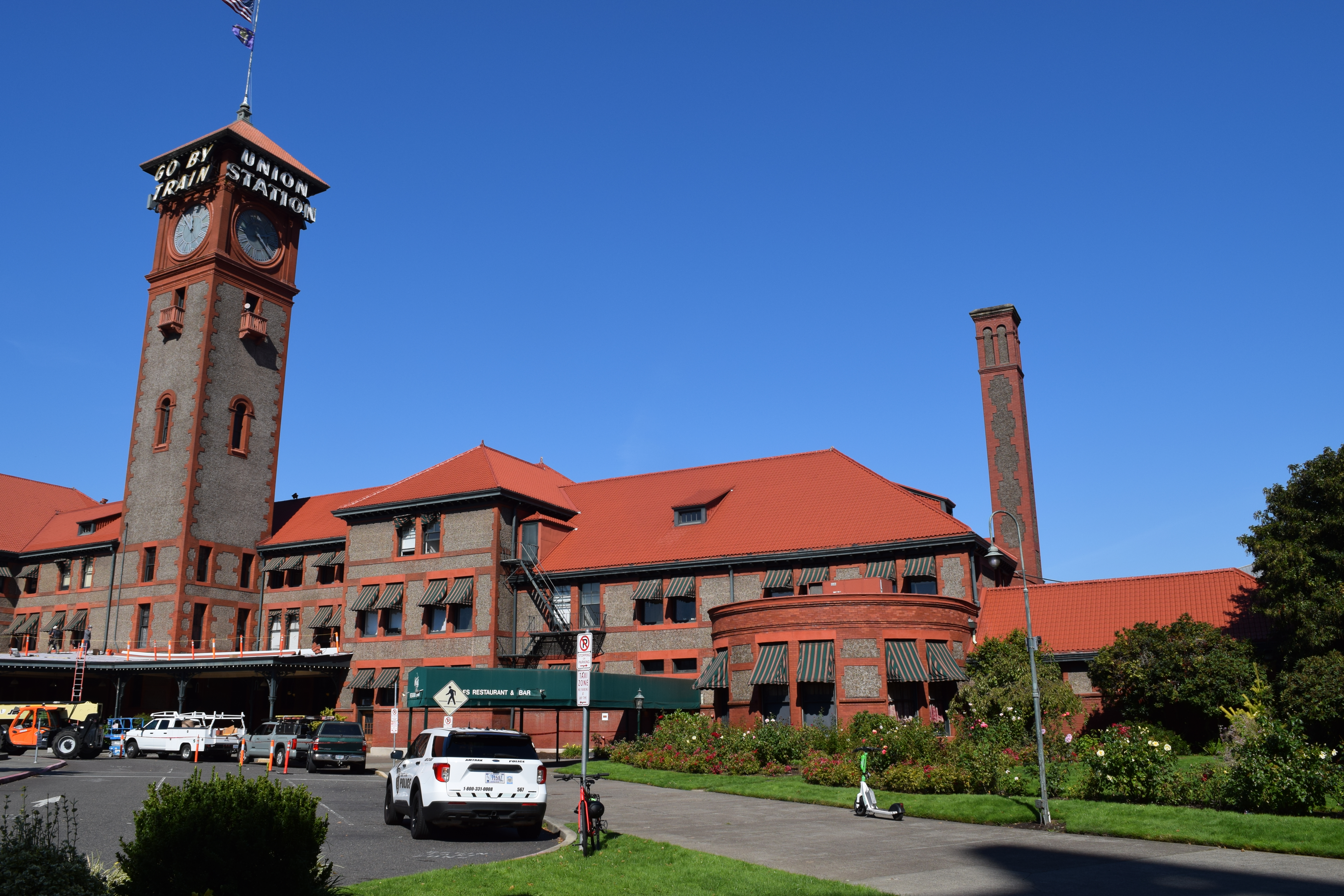
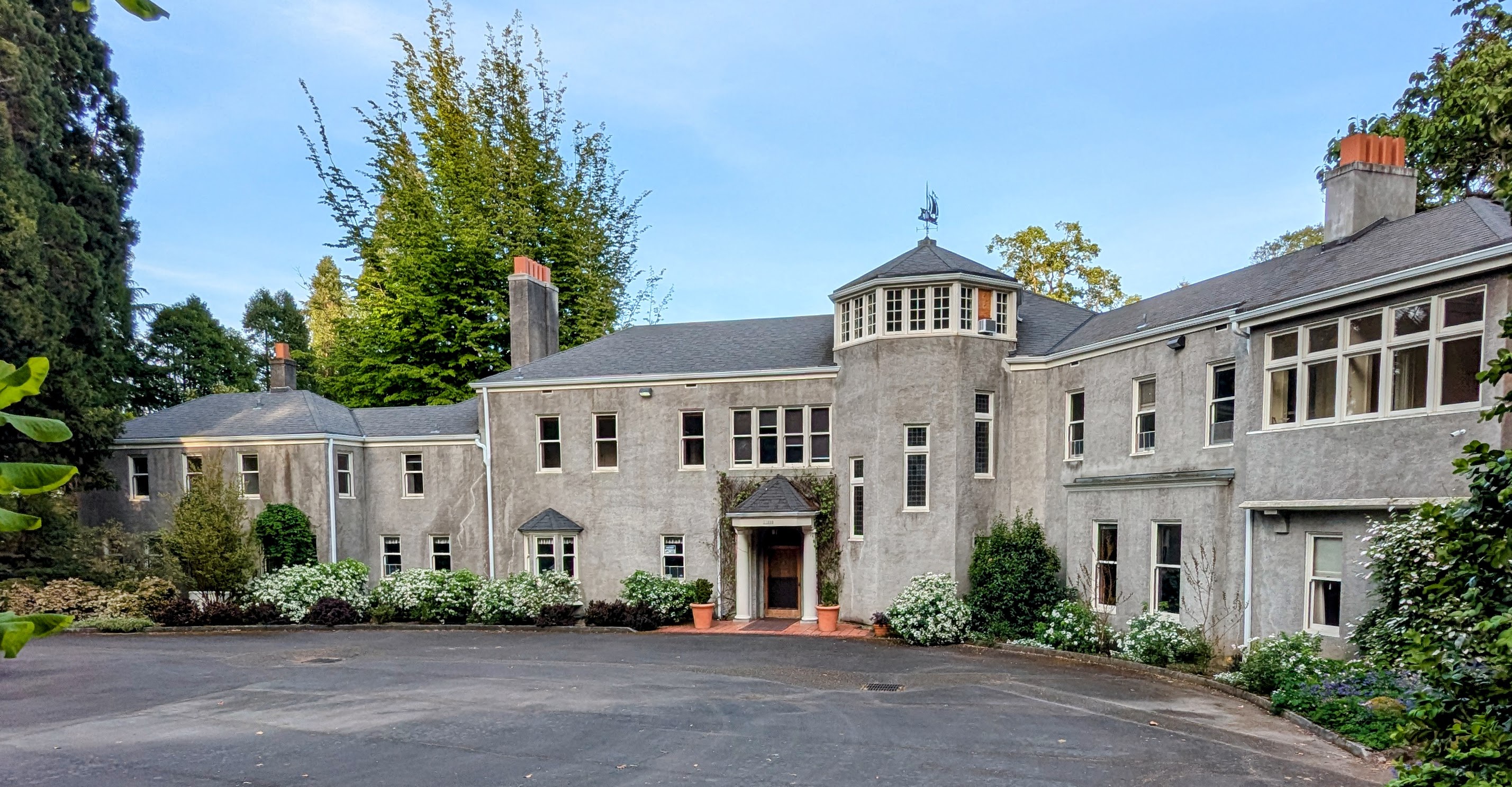
The meeting agenda includes guided tours, presentations, and hearings for five proposed nominations and one proposed amendment to an existing nomination. Tours will take place on Thursday, June 25, and will feature Portland Union Station (800 NW 6th Avenue, Portland) at 1:00 p.m. and Elk Rock Garden (11800 SW Military Lane, Portland) at 2:45 p.m. Tours are available only to in‑person attendees. The business meeting will be held the following day, Friday, June 26, at the Education Pavilion at Tryon Creek State Natural Area (11321 S Terwilliger Blvd, Portland). Both in‑person and virtual attendance options are available for the business meeting; instructions for registering to join virtually are posted on the SACHP webpage.

The business meeting will include a training on Traditional Cultural Places (TCPs) led by SACHP member and former Coquille Tribal Historic Preservation Officer (THPO) Kassandra Rippee. Following the training, the committee will vote on the 2026 Preserving Oregon and Diamonds in the Rough grant recipients, presented by Oregon Heritage Grants & Outreach Coordinator Kuri Gill. Beginning at 12:45 p.m., the committee will review a proposed amendment to the Portland Union Station nomination, as well as five new nominations: Elk Rock Garden, the former estate of Peter and Laurie Kerr along the Willamette River south of Portland; the former city halls in Canby and Milwaukie, both constructed in the late 1930s using Public Works Administration (PWA) funding; Bolton School, a midcentury elementary school in West Linn; and the Pass Creek Covered Bridge, a timber truss covered bridge in Drain. Copies of the proposed nominations, the full meeting agenda, and instructions for submitting public comment are all available on the committee webpage.

The SACHP is a nine-member governor-appointed citizen commission with credentials in many historic preservation-related fields, including archaeology, architectural history, historic architecture, anthropology, history, and museum management. Nominations recommended by the SACHP are forwarded to the National Park Service, which maintains the National Register of Historic Places under the authority of the National Historic Preservation Act of 1966. This effort aligns with the Oregon Historic Preservation Plan goal to increase the number and thematic diversity of Oregon properties listed in the National Register of Historic Places. It also supports the goals to include more voices and increase access to Oregon heritage that are part of the. Oregon Heritage Plan.

The meeting is accessible to people with disabilities. Special accommodations may be made with at least 48 hours of advance notice by calling (503) 986-0690.

More information about the SACHP and the National Register of Historic Places process is available online at www.oregonheritage.org and from SACHP coordinator Caitlyn Abrahms at 503-201-0454 or caitlyn.abrahms@oprd.oregon.gov.

###

State Advisory Committee On Historic Preservation To Meet On June 25-26, 2026 - 06/10/26

Salem – The State Advisory Committee on Historic Preservation (SACHP) will meet on June 25 and 26, 2026, at Tryon Creek State Natural Area to consider proposed nominations to the National Register of Historic Places. The meeting is open to the public and will be offered in a hybrid format, with virtual participation available via Zoom.

The meeting agenda includes guided tours, presentations, and hearings for five proposed nominations and one proposed amendment to an existing nomination. Tours will take place on Thursday, June 25, and will feature Portland Union Station (800 NW 6th Avenue, Portland) at 1:00 p.m. and Elk Rock Garden (11800 SW Military Lane, Portland) at 2:45 p.m. Tours are available only to in‑person attendees. The business meeting will be held the following day, Friday, June 26, at the Education Pavilion at Tryon Creek State Natural Area (11321 S Terwilliger Blvd, Portland). Both in‑person and virtual attendance options are available for the business meeting; instructions for registering to join virtually are posted on the SACHP webpage.

The business meeting will include a training on Traditional Cultural Places (TCPs) led by SACHP member and former Coquille Tribal Historic Preservation Officer (THPO) Kassandra Rippee. Following the training, the committee will vote on the 2026 Preserving Oregon and Diamonds in the Rough grant recipients, presented by Oregon Heritage Grants & Outreach Coordinator Kuri Gill. Beginning at 12:45 p.m., the committee will review a proposed amendment to the Portland Union Station nomination, as well as five new nominations: Elk Rock Garden, the former estate of Peter and Laurie Kerr along the Willamette River south of Portland; the former city halls in Canby and Milwaukie, both constructed in the late 1930s using Public Works Administration (PWA) funding; Bolton School, a midcentury elementary school in West Linn; and the Pass Creek Covered Bridge, a timber truss covered bridge in Drain. Copies of the proposed nominations, the full meeting agenda, and instructions for submitting public comment are all available on the committee webpage.

The SACHP is a nine-member governor-appointed citizen commission with credentials in many historic preservation-related fields, including archaeology, architectural history, historic architecture, anthropology, history, and museum management. Nominations recommended by the SACHP are forwarded to the National Park Service, which maintains the National Register of Historic Places under the authority of the National Historic Preservation Act of 1966. This effort aligns with the Oregon Historic Preservation Plan goal to increase the number and thematic diversity of Oregon properties listed in the National Register of Historic Places. It also supports the goals to include more voices and increase access to Oregon heritage that are part of the. Oregon Heritage Plan.

The meeting is accessible to people with disabilities. Special accommodations may be made with at least 48 hours of advance notice by calling (503) 986-0690.

More information about the SACHP and the National Register of Historic Places process is available online at www.oregonheritage.org and from SACHP coordinator Caitlyn Abrahms at 503-201-0454 or caitlyn.abrahms@oprd.oregon.gov.

###

Oregon Heritage Commission Awards Grants For Museum Projects (Photo) - 06/10/26

The Oregon Heritage Commission has awarded $75,000 in grants to 13 museums throughout the state as part of the Oregon Museum Grant program. The grants will help fund a variety of projects including collection preservation, interpretation, and heritage tourism. Award amounts ranged from $3,000 - $8,000.
 

Funded projects:

  • Columbia Gorge Discovery Center will partner with U.S. Army Corps of Engineers to co-host Eagle Watch 2027 in Wasco County.
  • Strengthen emergency preparedness and collections care through collections assessments and emergency supply kits at the Coos Art Museum and Coos History Museum in Coos Bay.
  • Develop interactive multimedia centered on the history of Native peoples in the Southern Oregon at the Crater Rock Museum in Jackson County.
  • Update the inventory, storage and display of the collection at the Elgin Museum.
  • The Gresham Historical Society will research, curate, and produce an exhibit on the rich and diverse agricultural history of East Multnomah County.
  • The Josephy Center for Arts and Culture will present Nez Perce history, culture, and living traditions through a combination of public talks and K-12 classroom resources.
  • Collect, transcribe, and analyze interviews to explore the history of Oregon’s Central America solidarity movement of the 1980s.
  • Digitize the newspaper collection of Sheridan Museum of History with University of Oregon Digital Newspaper program.
  • Install storage shelving at the Southern Oregon Historical Society in Medford.
  • Rehouse and catalog film and glass negatives at the Springfield Museum.
  • Improve the housing of the collection at the Talent Museum.
  • Provide ramps and decking/rails at Pottsville Historical Park and Museum.
  • Rehouse collections at the Yamhill County Historical Museum.

The museum grant program is offered annually by the Oregon Heritage Commission, part of the Oregon Heritage program at Oregon Parks and Recreation Department (OPRD). The grant program began in 1965 when only 24 organizations were eligible for the program. The grant is funded OPRD lottery dollars.
 

The Oregon Heritage Commission works to secure, sustain and enhance Oregon’s heritage. The Commission sponsors heritage initiatives that educate the public about the value of heritage and celebrate the state’s diversity.
 

The Oregon Heritage Commission consists of nine members appointed by the governor and nine agency advisors. Members are chosen from state agencies and statewide organizations, and represent a diverse geographical and heritage background.
 

To learn more about the Oregon Museum Grant or the Oregon Heritage Commission, visit www.oregonheritage.org or contact Kuri Gill at Kuri.gill@oprd.oregon.gov or 503-986-0685.

Oregon Heritage Commission Awards Grants For Museum Projects (Photo) - 06/10/26

The Oregon Heritage Commission has awarded $75,000 in grants to 13 museums throughout the state as part of the Oregon Museum Grant program. The grants will help fund a variety of projects including collection preservation, interpretation, and heritage tourism. Award amounts ranged from $3,000 - $8,000.
 

Funded projects:

  • Columbia Gorge Discovery Center will partner with U.S. Army Corps of Engineers to co-host Eagle Watch 2027 in Wasco County.
  • Strengthen emergency preparedness and collections care through collections assessments and emergency supply kits at the Coos Art Museum and Coos History Museum in Coos Bay.
  • Develop interactive multimedia centered on the history of Native peoples in the Southern Oregon at the Crater Rock Museum in Jackson County.
  • Update the inventory, storage and display of the collection at the Elgin Museum.
  • The Gresham Historical Society will research, curate, and produce an exhibit on the rich and diverse agricultural history of East Multnomah County.
  • The Josephy Center for Arts and Culture will present Nez Perce history, culture, and living traditions through a combination of public talks and K-12 classroom resources.
  • Collect, transcribe, and analyze interviews to explore the history of Oregon’s Central America solidarity movement of the 1980s.
  • Digitize the newspaper collection of Sheridan Museum of History with University of Oregon Digital Newspaper program.
  • Install storage shelving at the Southern Oregon Historical Society in Medford.
  • Rehouse and catalog film and glass negatives at the Springfield Museum.
  • Improve the housing of the collection at the Talent Museum.
  • Provide ramps and decking/rails at Pottsville Historical Park and Museum.
  • Rehouse collections at the Yamhill County Historical Museum.

The museum grant program is offered annually by the Oregon Heritage Commission, part of the Oregon Heritage program at Oregon Parks and Recreation Department (OPRD). The grant program began in 1965 when only 24 organizations were eligible for the program. The grant is funded OPRD lottery dollars.
 

The Oregon Heritage Commission works to secure, sustain and enhance Oregon’s heritage. The Commission sponsors heritage initiatives that educate the public about the value of heritage and celebrate the state’s diversity.
 

The Oregon Heritage Commission consists of nine members appointed by the governor and nine agency advisors. Members are chosen from state agencies and statewide organizations, and represent a diverse geographical and heritage background.
 

To learn more about the Oregon Museum Grant or the Oregon Heritage Commission, visit www.oregonheritage.org or contact Kuri Gill at Kuri.gill@oprd.oregon.gov or 503-986-0685.

Historic Cemeteries Commission Awards 2026 Grants To Multiple Projects (Photo) - 06/09/26

Oregon Commission on Historic Cemeteries (OCHC) has awarded $62,500 in grants to 14 historic cemetery projects throughout the state through the Historic Cemeteries Grant program. The funds will help support preservation efforts, tree care and survey. Individual award amounts ranged from $603 - $8,000.
 

Funded projects:

  • Fence installation at the Blue Mountain Cemetery in Baker County.
  • Marker repair at Eastwood IOOF Cemetery in Medford, Fairview Cemetery, Riverside Cemetery, and Sandridge Cemetery in Linn County, and St. Boniface Cemetery and Twin Oaks Cemetery in Marion County.
  • Tree work at Bridal Veil Cemetery in Multnomah County, Burch Pioneer Cemetery in Polk County, and Missouri Flat Cemetery in Jackson County.
  • Complete Ground Penetrating Radar work at Camp Polk Cemetery in Deschutes County.
  • Complete survey at the Allegany Historic Cemetery in Coos County.
  • Install security lighting at Mount Union Cemetery in Benton County.
  • Complete gravel road repair at Powers Cemetery in Coos County.

Historic cemeteries are documented by OCHC and must include the burial of at least one person who died 75 years before the current date.
 

The historic cemetery grant program is offered annually by the OCHC, part of the Oregon Heritage Program at Oregon Parks and Recreation Department (OPRD). The grant program is supported by lottery and other funds.
 

OCHC maintains a list of all pioneer and historic cemeteries in the state. The seven-member appointed commission helps people and organizations document, preserve and promote designated historic cemeteries statewide.
 

For more information about the grant program or the OCHC, visit www.oregonheritage.org or contact Kuri Gill at Kuri.gill@oprd.oregon.gov or 503-986-0685.

Historic Cemeteries Commission Awards 2026 Grants To Multiple Projects (Photo) - 06/09/26

Oregon Commission on Historic Cemeteries (OCHC) has awarded $62,500 in grants to 14 historic cemetery projects throughout the state through the Historic Cemeteries Grant program. The funds will help support preservation efforts, tree care and survey. Individual award amounts ranged from $603 - $8,000.
 

Funded projects:

  • Fence installation at the Blue Mountain Cemetery in Baker County.
  • Marker repair at Eastwood IOOF Cemetery in Medford, Fairview Cemetery, Riverside Cemetery, and Sandridge Cemetery in Linn County, and St. Boniface Cemetery and Twin Oaks Cemetery in Marion County.
  • Tree work at Bridal Veil Cemetery in Multnomah County, Burch Pioneer Cemetery in Polk County, and Missouri Flat Cemetery in Jackson County.
  • Complete Ground Penetrating Radar work at Camp Polk Cemetery in Deschutes County.
  • Complete survey at the Allegany Historic Cemetery in Coos County.
  • Install security lighting at Mount Union Cemetery in Benton County.
  • Complete gravel road repair at Powers Cemetery in Coos County.

Historic cemeteries are documented by OCHC and must include the burial of at least one person who died 75 years before the current date.
 

The historic cemetery grant program is offered annually by the OCHC, part of the Oregon Heritage Program at Oregon Parks and Recreation Department (OPRD). The grant program is supported by lottery and other funds.
 

OCHC maintains a list of all pioneer and historic cemeteries in the state. The seven-member appointed commission helps people and organizations document, preserve and promote designated historic cemeteries statewide.
 

For more information about the grant program or the OCHC, visit www.oregonheritage.org or contact Kuri Gill at Kuri.gill@oprd.oregon.gov or 503-986-0685.