Neighbors For A Better Crossing Inc

Emergency Messages as of 6:28 AM, Thu. Mar 5

No information currently posted.

Subscribe to receive FlashAlert messages from Neighbors For A Better Crossing Inc.

News Release

Neighbors For A Better Crossing Urges Oregon Legislators To Demand Full Audit Of IBR Project, Echoing Washington’s HB 2669—While Calling On USDOT To Investigate Massive Cost Overruns (Photo) - 03/04/26


Neighbors for a Better Crossing Urges Oregon Legislators to Demand Full Audit of IBR Project, Echoing Washington’s HB 2669—While Calling on USDOT to Investigate Massive Cost Overruns


Portland, OR – Neighbors for a Better Crossing (N4BC), a coalition of concerned residents, engineers, and advocates dedicated to sustainable and cost-effective solutions for the Interstate 5 crossing over the Columbia River, calls on Oregon legislators to introduce and pass legislation demanding a comprehensive, independent audit of the Interstate Bridge Replacement (IBR) program.


This mirrors Washington House Bill 2669, introduced by Rep. John Ley (R-Vancouver) on January 26, 2026, which requires the Joint Legislative Audit and Review Committee (JLARC) to scrutinize the project’s planning, management, costs, consultant spending, forecasting, and oversight since its 2019 restart.


As of March 3, 2026, HB 2669 remains pending in Washington’s House Transportation Committee, awaiting a public hearing. N4BC endorses the bill and urges Oregon lawmakers to act swiftly with parallel measures to ensure taxpayer accountability before billions more are wasted on a project plagued by hidden costs, mismanagement, and flawed alternatives evaluations.


“The IBR program’s escalating price tag—now estimated at up to $17.7 billion according to internal documents obtained via public records requests—demands immediate transparency and oversight,” said Gary Clark, Chair of Neighbors for a Better Crossing. “Washington’s HB 2669 is a critical step toward uncovering the truth about cost overruns, inaccurate forecasting, and the dismissal of viable alternatives like an immersed tube tunnel (ITT). Oregon must follow suit with its own audit legislation to protect residents from a ‘bridge too far’ that fails to solve congestion while burdening taxpayers with massive debt.”


N4BC’s call comes amid revelations from Willamette Week and economist Joe Cortright that IBR staff withheld updated cost estimates (ballooning from $6 billion to $13.6–$17.7 billion) from a December 2025 bi-state legislative meeting, despite having detailed drafts as early as August 2025. This lack of transparency, combined with the project’s failure to address traffic needs (providing no additional general-purpose lanes) and environmental impacts (e.g., drilled shafts risking fish habitat destruction, and structural damage to nearby homes and businesses), underscores the need for forensic scrutiny.


N4BC recently emailed U.S. Secretary of Transportation Sean P. Duffy urging an immediate investigation into the IBR’s failure to report its massive cost overrun—from $6 billion to $17.7 billion—and to withhold all federal funding, including Bridge Investment Program grants, until a thorough probe is completed. “The federal government must step in to prevent further misuse of taxpayer dollars on this mismanaged project,” Clark added. 


Given the magnitude of anticipated federal funding participation—including Bridge Investment Program grants and other federal transportation allocation N4BC requests that USDOT:
1.    Review the timeline of cost estimate development and disclosure;
2.    Evaluate compliance with federal transparency and reporting requirements;
3.    Assess the reliability of current financial forecasts and risk assumptions;
4.    Examine whether community-specific mitigation and compensation frameworks are sufficiently defined prior to construction;
5.    Suspend further federal funding commitments until a complete, independent financial and seismic review is conducted, and lower-cost, technically feasible alternatives—including an immersed tube tunnel (ITT)—are fully evaluated and transparently compared.


N4BC references key resources for context:

Hidden costs, withheld documents, and a $17 billion question – Why the Interstate Bridge Replacement demands immediate oversight

Interstate Bridge Staff Hid Information About Ballooning Cost of Giant Highway Project

N4BC’s analysis of the IBR’s disinformation campaign and viable ITT alternatives: 

Rep. John Ley’s article on HB 2669

Joe Cortright’s interview on the $17.7 billion estimate

Failing to Learn from failed Columbia River Crossing

The IBR project is a perfect example of why less than 25 percent of Americans trust government


N4BC urges Oregon legislators to prioritize audit legislation in the current session. “Transparency isn’t optional—it’s essential to rebuilding public trust and exploring cost-effective options like an ITT combined with repurposing the historic bridges,” Clark said.


About Neighbors for a Better Crossing

Neighbors for a Better Crossing is an Oregon nonprofit coalition advocating for smarter, more affordable alternatives to the IBR’s mega-bridge proposal. Comprising engineers, former officials, neighborhood groups, and residents, N4BC promotes solutions like immersed tube tunnels that solve congestion, preserve historic structures, and minimize environmental harm—potentially without tolls. For more information, visit www.neighbors4a-bettercrossing.org 
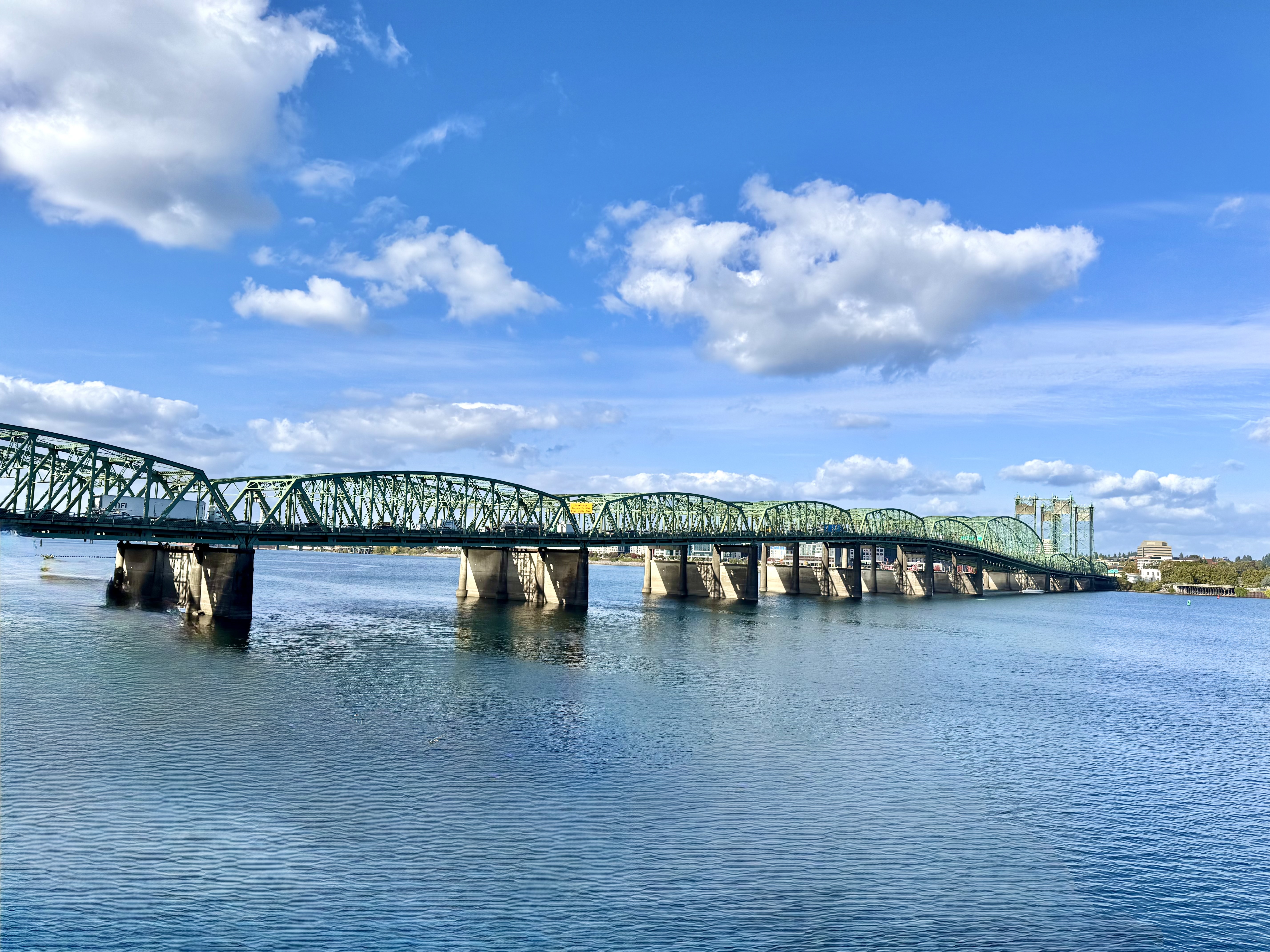
 

Neighbors For A Better Crossing Urges Oregon Legislators To Demand Full Audit Of IBR Project, Echoing Washington’s HB 2669—While Calling On USDOT To Investigate Massive Cost Overruns (Photo) - 03/04/26


Neighbors for a Better Crossing Urges Oregon Legislators to Demand Full Audit of IBR Project, Echoing Washington’s HB 2669—While Calling on USDOT to Investigate Massive Cost Overruns


Portland, OR – Neighbors for a Better Crossing (N4BC), a coalition of concerned residents, engineers, and advocates dedicated to sustainable and cost-effective solutions for the Interstate 5 crossing over the Columbia River, calls on Oregon legislators to introduce and pass legislation demanding a comprehensive, independent audit of the Interstate Bridge Replacement (IBR) program.


This mirrors Washington House Bill 2669, introduced by Rep. John Ley (R-Vancouver) on January 26, 2026, which requires the Joint Legislative Audit and Review Committee (JLARC) to scrutinize the project’s planning, management, costs, consultant spending, forecasting, and oversight since its 2019 restart.


As of March 3, 2026, HB 2669 remains pending in Washington’s House Transportation Committee, awaiting a public hearing. N4BC endorses the bill and urges Oregon lawmakers to act swiftly with parallel measures to ensure taxpayer accountability before billions more are wasted on a project plagued by hidden costs, mismanagement, and flawed alternatives evaluations.


“The IBR program’s escalating price tag—now estimated at up to $17.7 billion according to internal documents obtained via public records requests—demands immediate transparency and oversight,” said Gary Clark, Chair of Neighbors for a Better Crossing. “Washington’s HB 2669 is a critical step toward uncovering the truth about cost overruns, inaccurate forecasting, and the dismissal of viable alternatives like an immersed tube tunnel (ITT). Oregon must follow suit with its own audit legislation to protect residents from a ‘bridge too far’ that fails to solve congestion while burdening taxpayers with massive debt.”


N4BC’s call comes amid revelations from Willamette Week and economist Joe Cortright that IBR staff withheld updated cost estimates (ballooning from $6 billion to $13.6–$17.7 billion) from a December 2025 bi-state legislative meeting, despite having detailed drafts as early as August 2025. This lack of transparency, combined with the project’s failure to address traffic needs (providing no additional general-purpose lanes) and environmental impacts (e.g., drilled shafts risking fish habitat destruction, and structural damage to nearby homes and businesses), underscores the need for forensic scrutiny.


N4BC recently emailed U.S. Secretary of Transportation Sean P. Duffy urging an immediate investigation into the IBR’s failure to report its massive cost overrun—from $6 billion to $17.7 billion—and to withhold all federal funding, including Bridge Investment Program grants, until a thorough probe is completed. “The federal government must step in to prevent further misuse of taxpayer dollars on this mismanaged project,” Clark added. 


Given the magnitude of anticipated federal funding participation—including Bridge Investment Program grants and other federal transportation allocation N4BC requests that USDOT:
1.    Review the timeline of cost estimate development and disclosure;
2.    Evaluate compliance with federal transparency and reporting requirements;
3.    Assess the reliability of current financial forecasts and risk assumptions;
4.    Examine whether community-specific mitigation and compensation frameworks are sufficiently defined prior to construction;
5.    Suspend further federal funding commitments until a complete, independent financial and seismic review is conducted, and lower-cost, technically feasible alternatives—including an immersed tube tunnel (ITT)—are fully evaluated and transparently compared.


N4BC references key resources for context:

Hidden costs, withheld documents, and a $17 billion question – Why the Interstate Bridge Replacement demands immediate oversight

Interstate Bridge Staff Hid Information About Ballooning Cost of Giant Highway Project

N4BC’s analysis of the IBR’s disinformation campaign and viable ITT alternatives: 

Rep. John Ley’s article on HB 2669

Joe Cortright’s interview on the $17.7 billion estimate

Failing to Learn from failed Columbia River Crossing

The IBR project is a perfect example of why less than 25 percent of Americans trust government


N4BC urges Oregon legislators to prioritize audit legislation in the current session. “Transparency isn’t optional—it’s essential to rebuilding public trust and exploring cost-effective options like an ITT combined with repurposing the historic bridges,” Clark said.


About Neighbors for a Better Crossing

Neighbors for a Better Crossing is an Oregon nonprofit coalition advocating for smarter, more affordable alternatives to the IBR’s mega-bridge proposal. Comprising engineers, former officials, neighborhood groups, and residents, N4BC promotes solutions like immersed tube tunnels that solve congestion, preserve historic structures, and minimize environmental harm—potentially without tolls. For more information, visit www.neighbors4a-bettercrossing.org