Northwest Regional ESD

Emergency Messages as of 1:37 AM, Thu. Jun 11

No information currently posted.

Subscribe to receive FlashAlert messages from Northwest Regional ESD.

News Release

Northwest Regional ESD Adopts 2026–27 Budget Focused On Student Literacy & Math Support, Reconnecting Youth To Schools, And Specialized Regional Services (Photo) - 06/10/26

Outdoor School Reduced to Three Days Following State Funding Cuts


HILLSBORO, Ore. — On Wednesday, June 10, the Northwest Regional Education Service District (NWRESD) Board of Directors formally adopted the agency’s 2026–27 budget, advancing new investments in math instruction, school improvement, and career-technical education while also responding to significant reductions in statewide Outdoor School funding.


Beginning next school year, most students attending Outdoor School through NWRESD will participate in a three-day program instead of four days following a 20% statewide funding reduction. The changes will reduce operations from five program sites to four, eliminate approximately 20 positions, and discontinue programming at Camp Arrah Wanna in Welches.


At the same time, the adopted budget includes new investments in regional school improvement efforts, including the addition of three math specialists to support districts working to strengthen mathematics instruction and student outcomes.


“Education service districts play a unique and often unseen role in Oregon’s public education system,” said Superintendent Dan Goldman. “Our purpose is to help the 20 school districts and more than 180 schools in our region improve together, share resources, and access specialized expertise so students — regardless of geography or the size of their school district — receive the support they need to succeed.”


NWRESD serves school districts across Clatsop, Columbia, Tillamook, and Washington counties through a combination of regional services, state-funded programs, district partnerships, and specialized educational support.


Much of the agency’s work is shaped collaboratively through a Local Service Plan process in which school districts work with NWRESD staff to identify regional priorities and approve shared services. About half of NWRESD’s revenue comes from services purchased by school districts, including specialized student programs and educator training. Another significant portion comes through restricted state and federal grants, including funding for early intervention and educational services for children less than 5 years old with disabilities and developmental delays.


The adopted budget reflects continued investments in:

  • Early literacy and instructional improvement;

  • Behavioral and mental health supports;

  • Career-connected learning and workforce development;

  • Early intervention and special education services;

  • Technology and cybersecurity systems;

  • Professional learning and leadership development; and

  • Equity, inclusion, and family partnership initiatives.

“As is the case for many public agencies right now, this budget reflects both meaningful progress and some difficult realities,” Goldman said. “We are seeing encouraging gains in literacy outcomes where districts and educators have invested heavily in instructional improvement efforts, and we are excited to expand that partnership work into mathematics. At the same time, reductions to programs like Outdoor School are difficult because we know how meaningful those experiences are for students.”

NWRESD also continues supporting districts through regional technology infrastructure, new teacher mentorship, and highly specialized educational services that many districts would struggle to provide independently.


The budget reflects ongoing financial pressures facing public education systems across Oregon, including rising employee and service costs, inflation, workforce shortages, and uncertainty surrounding future federal education funding.


While many families may never directly interact with an education service district, students across northwest Oregon benefit from these services every day through specialized programs, better instruction, and regional partnerships that help schools respond to increasingly complex challenges.


As public education systems continue navigating growing student needs and financial uncertainty, NWRESD leaders say regional collaboration and support will remain essential to increasing student success across northwest Oregon.
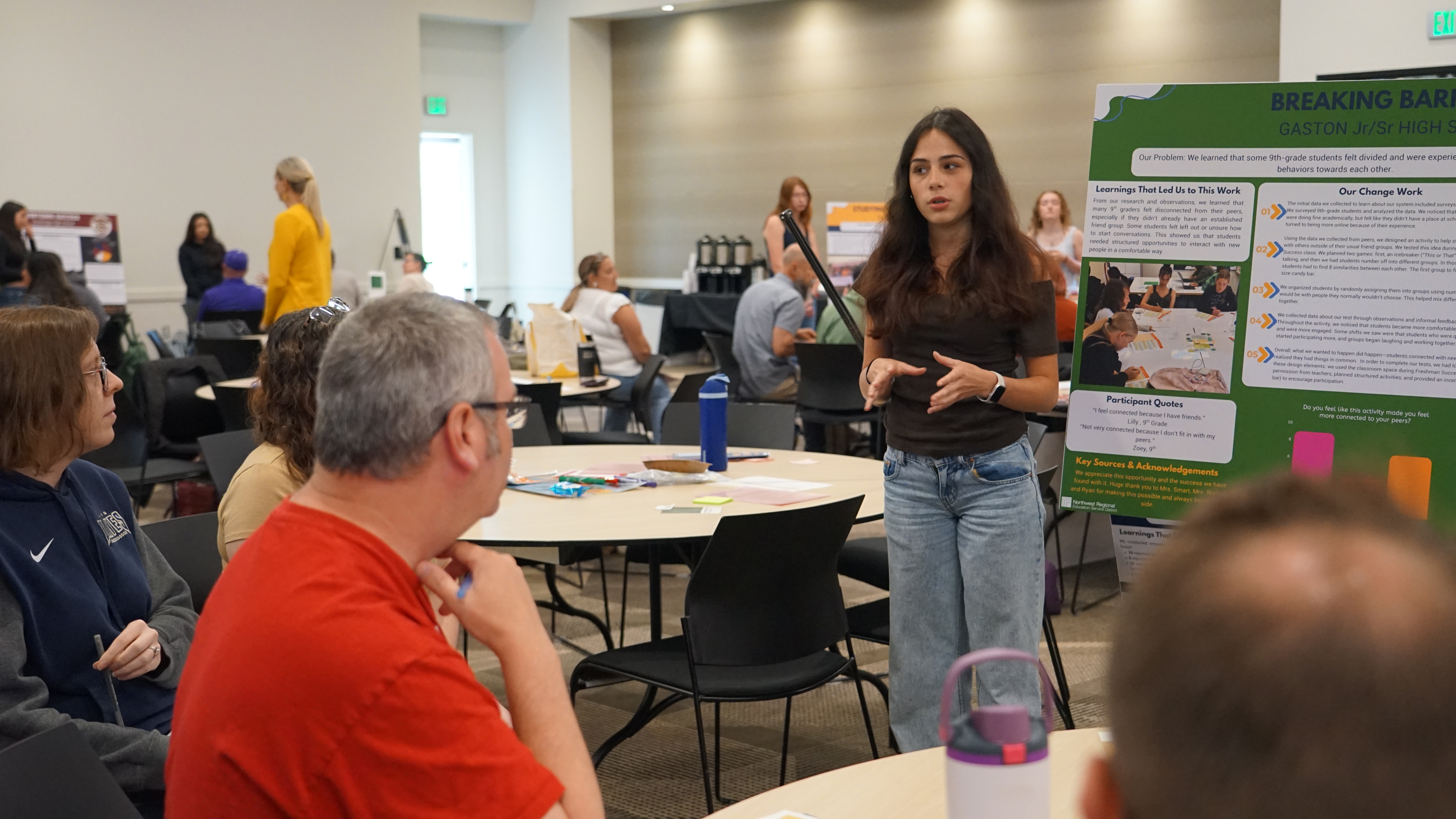
Northwest Regional ESD Adopts 2026–27 Budget Focused On Student Literacy & Math Support, Reconnecting Youth To Schools, And Specialized Regional Services (Photo) - 06/10/26

Outdoor School Reduced to Three Days Following State Funding Cuts


HILLSBORO, Ore. — On Wednesday, June 10, the Northwest Regional Education Service District (NWRESD) Board of Directors formally adopted the agency’s 2026–27 budget, advancing new investments in math instruction, school improvement, and career-technical education while also responding to significant reductions in statewide Outdoor School funding.


Beginning next school year, most students attending Outdoor School through NWRESD will participate in a three-day program instead of four days following a 20% statewide funding reduction. The changes will reduce operations from five program sites to four, eliminate approximately 20 positions, and discontinue programming at Camp Arrah Wanna in Welches.


At the same time, the adopted budget includes new investments in regional school improvement efforts, including the addition of three math specialists to support districts working to strengthen mathematics instruction and student outcomes.


“Education service districts play a unique and often unseen role in Oregon’s public education system,” said Superintendent Dan Goldman. “Our purpose is to help the 20 school districts and more than 180 schools in our region improve together, share resources, and access specialized expertise so students — regardless of geography or the size of their school district — receive the support they need to succeed.”


NWRESD serves school districts across Clatsop, Columbia, Tillamook, and Washington counties through a combination of regional services, state-funded programs, district partnerships, and specialized educational support.


Much of the agency’s work is shaped collaboratively through a Local Service Plan process in which school districts work with NWRESD staff to identify regional priorities and approve shared services. About half of NWRESD’s revenue comes from services purchased by school districts, including specialized student programs and educator training. Another significant portion comes through restricted state and federal grants, including funding for early intervention and educational services for children less than 5 years old with disabilities and developmental delays.


The adopted budget reflects continued investments in:

  • Early literacy and instructional improvement;

  • Behavioral and mental health supports;

  • Career-connected learning and workforce development;

  • Early intervention and special education services;

  • Technology and cybersecurity systems;

  • Professional learning and leadership development; and

  • Equity, inclusion, and family partnership initiatives.

“As is the case for many public agencies right now, this budget reflects both meaningful progress and some difficult realities,” Goldman said. “We are seeing encouraging gains in literacy outcomes where districts and educators have invested heavily in instructional improvement efforts, and we are excited to expand that partnership work into mathematics. At the same time, reductions to programs like Outdoor School are difficult because we know how meaningful those experiences are for students.”

NWRESD also continues supporting districts through regional technology infrastructure, new teacher mentorship, and highly specialized educational services that many districts would struggle to provide independently.


The budget reflects ongoing financial pressures facing public education systems across Oregon, including rising employee and service costs, inflation, workforce shortages, and uncertainty surrounding future federal education funding.


While many families may never directly interact with an education service district, students across northwest Oregon benefit from these services every day through specialized programs, better instruction, and regional partnerships that help schools respond to increasingly complex challenges.


As public education systems continue navigating growing student needs and financial uncertainty, NWRESD leaders say regional collaboration and support will remain essential to increasing student success across northwest Oregon.