
Lebanon Fire District

Emergency Messages as of 9:36 PM, Sat. Dec 13

No information currently posted.

logo

Subscribe to receive FlashAlert messages from Lebanon Fire District.

News Release

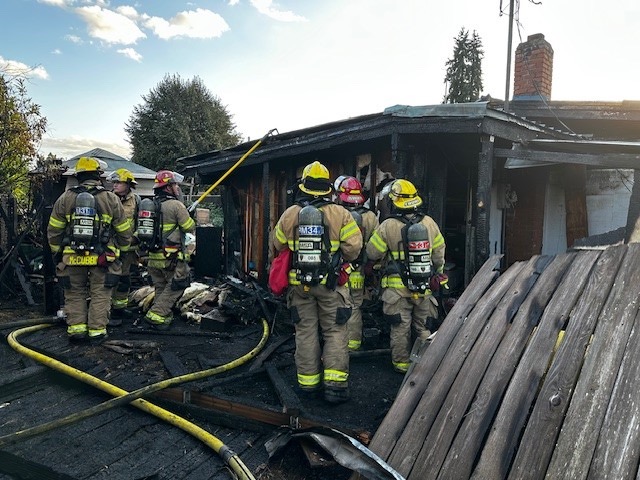
Simultaneous Fires Highlight Staffing Challenges For Lebanon Fire District (Photo) - 09/23/25

On the evening of Sunday, September 21st, Lebanon Fire District firefighters faced an extraordinary test when two working structure fires were reported just minutes apart on opposite sides of town.


The first call came in at 5:36 p.m. for a fire in the 400 block of Morton Street. The initial response included two firefighters and a Battalion Chief who arrived to find a garage fully involved and threatening a nearby home. Bystanders reported a possible victim inside and firefighters prepared to make entry. Fortunately, the resident was able to escape safely on their own. With only three firefighters able to operate inside and limited resources on scene, crews worked to contain the fire until additional off-duty and volunteer personnel arrived about six minutes later.


At 5:38 p.m., while crews were still responding to the Morton Street fire, a second call was reported in the 3400 block of Bald Eagle Drive. The response included four firefighters and an Incident Commander who arrived to find a garage fire that had already spread into the attic and destroyed two vehicles. By the time firefighters reached the scene the garage roof had collapsed and flames were spreading into the home. For nearly 10 minutes, that single four-person crew was the only unit battling the fire until reinforcements arrived.


With two fires burning at once, Lebanon Fire District immediately called for mutual aid, receiving critical support from Sweet Home, Scio, Brownsville, Tangent, Halsey, and Harrisburg fire agencies. Lebanon Police, PP&L, and NW Natural also assisted. Despite the scale of the incidents, no injuries were reported, and both fires remain under investigation by the Lebanon Fire Investigation Team.


The district expressed gratitude to its career firefighters, volunteers, off-duty personnel, and neighboring agencies who worked side by side to protect lives and property.


Staffing Strain: A Larger Picture

At the time of these calls, Lebanon Fire District had only 10 career firefighters on duty to protect the entire community. When the Morton Street fire was dispatched, one ambulance was already on a medical emergency, leaving only eight firefighters immediately available.


Within minutes, those limited crews were split between two working fires. At Morton Street, just two firefighters were able to begin fire attack and potential rescue operations, while at Bald Eagle Drive, four firefighters faced a fully involved garage fire alone until help could arrive.


To put this in perspective, NFPA 1710 — the national standard for career fire departments — requires a minimum of four firefighters on each engine or truck company, and at least 15 firefighters on the initial alarm for a low-hazard structure fire. Staffing requirements increase further for higher-risk or larger incidents. These standards exist to ensure that essential tasks like search and rescue, hose line advancement, ventilation, and fire suppression can be performed safely and effectively.


For a typical single-family house fire under NFPA 1710, staffing would normally include around 15 firefighters plus a Battalion Chief. A Battalion Chief would serve as the Incident Commander, overseeing the entire fireground.


One engine company would be assigned to fire attack, with a lieutenant and firefighter advancing a hose line inside while the engineer remained outside to operate the pump. A second engine company would provide a backup hose line, again with a lieutenant and firefighter on the line and an engineer at the pump panel.


A truck company would typically handle rescue and ventilation, staffed with a lieutenant, an engineer, and a firefighter. In addition, two medic units would be assigned to provide support. One medic crew would function as the Rapid Intervention Crew (RIC), dedicated to firefighter rescue in case of an emergency. The other medic crew would be placed on standby, rotating with crews working inside the structure to provide relief.


Altogether, this structure provides the recommended 15 firefighters and one Battalion Chief, which matches the NFPA 1710 minimum for a low-hazard structure fire.


In contrast, at the Morton Street fire, Lebanon Fire District began with just two firefighters and a Battalion Chief. One of those firefighters had to remain outside to run the pump, leaving only two firefighters available to attempt fire attack or rescue until reinforcements arrived minutes later.


“Every second matters in a fire,” said Fire Chief Joseph Rodondi. “On Sunday, our firefighters did everything they could with the resources available. Thanks to the dedication of our career staff, volunteers, off-duty personnel, and mutual-aid partners, no lives were lost. But this incident shows the reality: with limited staffing, our crews are being asked to do the work of double or triple their size, and that puts both the public and firefighters at greater risk.”


The Lebanon Fire District emphasizes that staffing levels directly affect how quickly and effectively firefighters can respond when seconds count. The district asks the community to remain engaged, informed, and supportive as it continues to provide critical emergency services with limited resources.
Reminder: Applications for our Firefighter/Paramedic hiring list are now open and will close on Thursday, October 2, 2025, at 4:00 PM (PST). Gain hands-on experience with the Lebanon Fire District and serve your community. No prior fire certifications required—training will be provided in the Academy. Link to apply: https://lebanonfireoregon.gov/Jobs.aspx

Simultaneous Fires Highlight Staffing Challenges For Lebanon Fire District (Photo) - 09/23/25

On the evening of Sunday, September 21st, Lebanon Fire District firefighters faced an extraordinary test when two working structure fires were reported just minutes apart on opposite sides of town.


The first call came in at 5:36 p.m. for a fire in the 400 block of Morton Street. The initial response included two firefighters and a Battalion Chief who arrived to find a garage fully involved and threatening a nearby home. Bystanders reported a possible victim inside and firefighters prepared to make entry. Fortunately, the resident was able to escape safely on their own. With only three firefighters able to operate inside and limited resources on scene, crews worked to contain the fire until additional off-duty and volunteer personnel arrived about six minutes later.


At 5:38 p.m., while crews were still responding to the Morton Street fire, a second call was reported in the 3400 block of Bald Eagle Drive. The response included four firefighters and an Incident Commander who arrived to find a garage fire that had already spread into the attic and destroyed two vehicles. By the time firefighters reached the scene the garage roof had collapsed and flames were spreading into the home. For nearly 10 minutes, that single four-person crew was the only unit battling the fire until reinforcements arrived.


With two fires burning at once, Lebanon Fire District immediately called for mutual aid, receiving critical support from Sweet Home, Scio, Brownsville, Tangent, Halsey, and Harrisburg fire agencies. Lebanon Police, PP&L, and NW Natural also assisted. Despite the scale of the incidents, no injuries were reported, and both fires remain under investigation by the Lebanon Fire Investigation Team.


The district expressed gratitude to its career firefighters, volunteers, off-duty personnel, and neighboring agencies who worked side by side to protect lives and property.


Staffing Strain: A Larger Picture

At the time of these calls, Lebanon Fire District had only 10 career firefighters on duty to protect the entire community. When the Morton Street fire was dispatched, one ambulance was already on a medical emergency, leaving only eight firefighters immediately available.


Within minutes, those limited crews were split between two working fires. At Morton Street, just two firefighters were able to begin fire attack and potential rescue operations, while at Bald Eagle Drive, four firefighters faced a fully involved garage fire alone until help could arrive.


To put this in perspective, NFPA 1710 — the national standard for career fire departments — requires a minimum of four firefighters on each engine or truck company, and at least 15 firefighters on the initial alarm for a low-hazard structure fire. Staffing requirements increase further for higher-risk or larger incidents. These standards exist to ensure that essential tasks like search and rescue, hose line advancement, ventilation, and fire suppression can be performed safely and effectively.


For a typical single-family house fire under NFPA 1710, staffing would normally include around 15 firefighters plus a Battalion Chief. A Battalion Chief would serve as the Incident Commander, overseeing the entire fireground.


One engine company would be assigned to fire attack, with a lieutenant and firefighter advancing a hose line inside while the engineer remained outside to operate the pump. A second engine company would provide a backup hose line, again with a lieutenant and firefighter on the line and an engineer at the pump panel.


A truck company would typically handle rescue and ventilation, staffed with a lieutenant, an engineer, and a firefighter. In addition, two medic units would be assigned to provide support. One medic crew would function as the Rapid Intervention Crew (RIC), dedicated to firefighter rescue in case of an emergency. The other medic crew would be placed on standby, rotating with crews working inside the structure to provide relief.


Altogether, this structure provides the recommended 15 firefighters and one Battalion Chief, which matches the NFPA 1710 minimum for a low-hazard structure fire.


In contrast, at the Morton Street fire, Lebanon Fire District began with just two firefighters and a Battalion Chief. One of those firefighters had to remain outside to run the pump, leaving only two firefighters available to attempt fire attack or rescue until reinforcements arrived minutes later.


“Every second matters in a fire,” said Fire Chief Joseph Rodondi. “On Sunday, our firefighters did everything they could with the resources available. Thanks to the dedication of our career staff, volunteers, off-duty personnel, and mutual-aid partners, no lives were lost. But this incident shows the reality: with limited staffing, our crews are being asked to do the work of double or triple their size, and that puts both the public and firefighters at greater risk.”


The Lebanon Fire District emphasizes that staffing levels directly affect how quickly and effectively firefighters can respond when seconds count. The district asks the community to remain engaged, informed, and supportive as it continues to provide critical emergency services with limited resources.

Reminder: Applications for our Firefighter/Paramedic hiring list are now open and will close on Thursday, October 2, 2025, at 4:00 PM (PST). Gain hands-on experience with the Lebanon Fire District and serve your community. No prior fire certifications required—training will be provided in the Academy. Link to apply: https://lebanonfireoregon.gov/Jobs.aspx