Kaiser Permanente Northwest

Emergency Messages as of 10:27 AM, Thu. Nov 19

No information currently posted.

Subscribe to receive FlashAlert messages from Kaiser Permanente Northwest.

News Release

INTERVIEWS: Lung Cancer Is Leading Cause Of Cancer Deaths (Photo) - 11/19/26

PORTLAND, Ore. (Nov. 19, 2026) ~ November is Lung Cancer Awareness Month, and lung cancer remains the leading cause of cancer death in the United States and worldwide. Approximately 2 million people worldwide and 140,000 people in the United States die every year from lung cancer, and an estimated 10-20% of lung cancers are now diagnosed in people who have never smoked.

Lung cancer screening with low-dose CT scans has led to dramatically earlier-stage detection, and advances in surgical techniques and immunotherapy have doubled survival rates in the last 20 years. Physicians at the Kaiser Permanente Northwest Cancer Center are encouraging people to understand their risk and talk with their doctor about whether screening may be right for them.

In 2010, 57% of patients diagnosed with lung cancer had metastatic disease. Fifteen years later, thanks to lung cancer screening, that number has decreased to 44% and continues to drop. Low-dose CT screening can detect some lung cancers before symptoms appear, when patients have more treatment options, while newer treatments including immunotherapy and targeted therapies are helping people live longer. Kaiser Permanente lung cancer patients have five-year survival rates that exceed national averages, reflecting progress in early detection, treatment and coordinated cancer care.

"Finding lung cancer early is a crucial step in the successful treatment of lung cancer," said Dr. Christopher Mutrie, a thoracic surgeon at Kaiser Permanente Northwest. "When we diagnose lung cancer at an earlier stage, patients have more treatment options and a much better chance of surviving the disease. That's why it's so important for people to understand their risk, know the warning signs and talk with their doctor about whether lung cancer screening is right for them."

Interviews available:

Dr. Christopher Mutrie, thoracic surgeon at Kaiser Permanente Northwest, is available for Zoom or phone interviews on Friday, Nov. 20 from 11 a.m. to 1 p.m. Contact Karen Vitt to schedule.

Dr. Mutrie is prepared to discuss:

  • Why lung cancer remains the leading cause of cancer death worldwide
  • Signs and symptoms of lung cancer
  • Why lung cancer is often not diagnosed until it has reached a later stage
  • The importance of early detection and how it can improve survival
  • Who should consider lung cancer screening and how low-dose CT screening works
  • Lung cancer risk factors, including smoking and risks for people who have never smoked
  • Advances in treatment that are helping people with lung cancer live longer

About Kaiser Permanente
Kaiser Permanente is committed to helping shape the future of health care. We are recognized as one of America's leading health care providers and not-for-profit health plans. Founded in 1945, Kaiser Permanente has a mission to provide high-quality, affordable health care services and to improve the health of our members and the communities we serve. We currently serve 12.9 million members in 9 states and the District of Columbia. Care for members and patients is focused on their total health and guided by their personal Permanente Medical Group physicians, specialists, and team of caregivers. Our expert and caring medical teams are empowered and supported by industry-leading technology advances and tools for health promotion, disease prevention, state-of-the-art care delivery, and world-class chronic disease management. Kaiser Permanente is dedicated to care innovations, clinical research, health education, and the support of community health. For more information, go to about.kp.org.
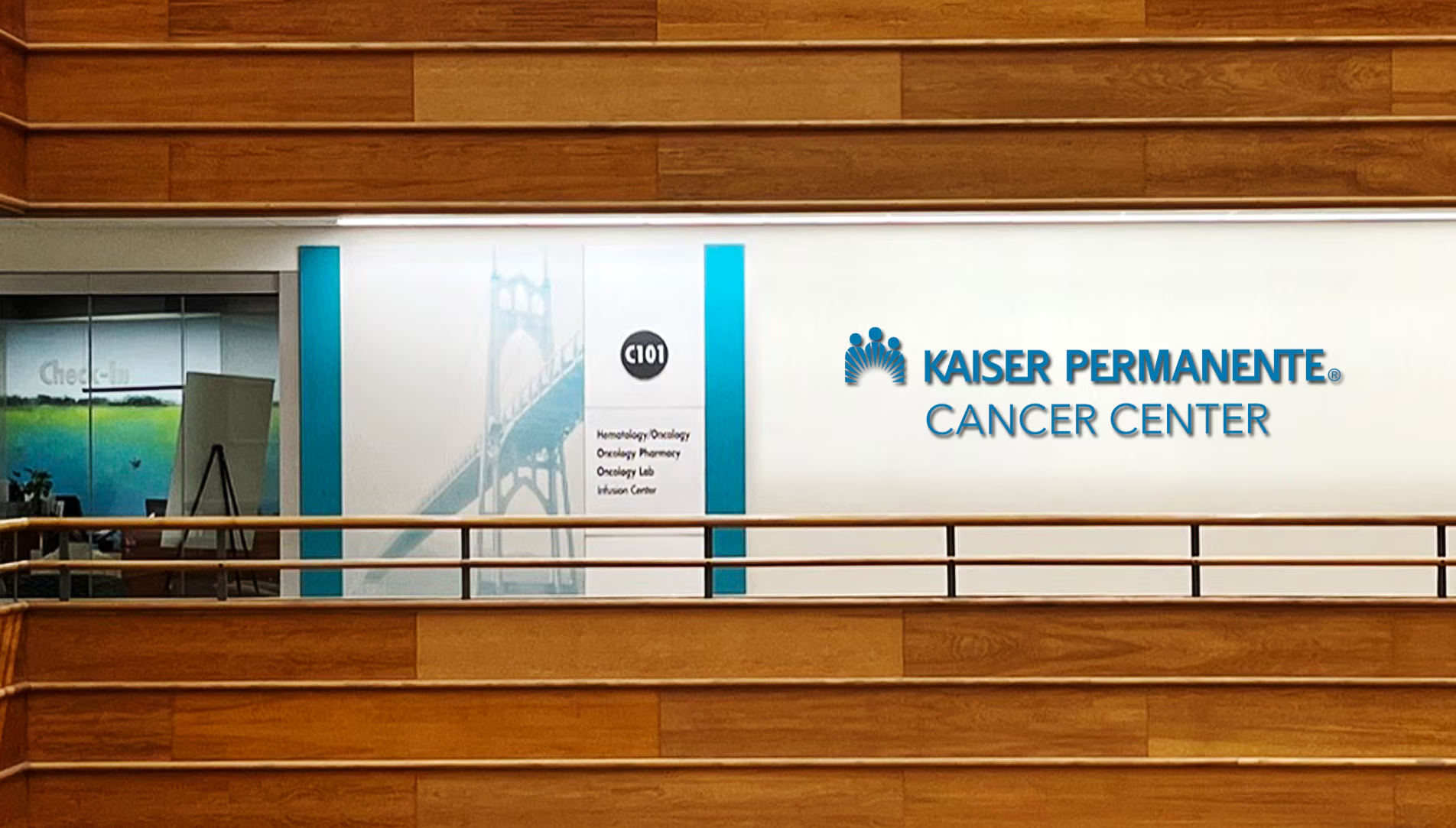
INTERVIEWS: Lung Cancer Is Leading Cause Of Cancer Deaths (Photo) - 11/19/26

PORTLAND, Ore. (Nov. 19, 2026) ~ November is Lung Cancer Awareness Month, and lung cancer remains the leading cause of cancer death in the United States and worldwide. Approximately 2 million people worldwide and 140,000 people in the United States die every year from lung cancer, and an estimated 10-20% of lung cancers are now diagnosed in people who have never smoked.

Lung cancer screening with low-dose CT scans has led to dramatically earlier-stage detection, and advances in surgical techniques and immunotherapy have doubled survival rates in the last 20 years. Physicians at the Kaiser Permanente Northwest Cancer Center are encouraging people to understand their risk and talk with their doctor about whether screening may be right for them.

In 2010, 57% of patients diagnosed with lung cancer had metastatic disease. Fifteen years later, thanks to lung cancer screening, that number has decreased to 44% and continues to drop. Low-dose CT screening can detect some lung cancers before symptoms appear, when patients have more treatment options, while newer treatments including immunotherapy and targeted therapies are helping people live longer. Kaiser Permanente lung cancer patients have five-year survival rates that exceed national averages, reflecting progress in early detection, treatment and coordinated cancer care.

"Finding lung cancer early is a crucial step in the successful treatment of lung cancer," said Dr. Christopher Mutrie, a thoracic surgeon at Kaiser Permanente Northwest. "When we diagnose lung cancer at an earlier stage, patients have more treatment options and a much better chance of surviving the disease. That's why it's so important for people to understand their risk, know the warning signs and talk with their doctor about whether lung cancer screening is right for them."

Interviews available:

Dr. Christopher Mutrie, thoracic surgeon at Kaiser Permanente Northwest, is available for Zoom or phone interviews on Friday, Nov. 20 from 11 a.m. to 1 p.m. Contact Karen Vitt to schedule.

Dr. Mutrie is prepared to discuss:

  • Why lung cancer remains the leading cause of cancer death worldwide
  • Signs and symptoms of lung cancer
  • Why lung cancer is often not diagnosed until it has reached a later stage
  • The importance of early detection and how it can improve survival
  • Who should consider lung cancer screening and how low-dose CT screening works
  • Lung cancer risk factors, including smoking and risks for people who have never smoked
  • Advances in treatment that are helping people with lung cancer live longer

About Kaiser Permanente
Kaiser Permanente is committed to helping shape the future of health care. We are recognized as one of America's leading health care providers and not-for-profit health plans. Founded in 1945, Kaiser Permanente has a mission to provide high-quality, affordable health care services and to improve the health of our members and the communities we serve. We currently serve 12.9 million members in 9 states and the District of Columbia. Care for members and patients is focused on their total health and guided by their personal Permanente Medical Group physicians, specialists, and team of caregivers. Our expert and caring medical teams are empowered and supported by industry-leading technology advances and tools for health promotion, disease prevention, state-of-the-art care delivery, and world-class chronic disease management. Kaiser Permanente is dedicated to care innovations, clinical research, health education, and the support of community health. For more information, go to about.kp.org.