2026 Wildfire Season Recap: Stronger Response At Home, Support Beyond Clackamas Fire District (Photo) - 11/05/26
Wildfire season is a reminder of how quickly conditions can change and how important it is to have the right resources in place. This year, Clackamas Fire crews worked aggressively to contain wildfires within our district while also sending firefighters and specialized resources to help communities facing larger fires across Oregon. A major part of that readiness comes from investments made possible by the 2023 Emergency Services Levy, including additional firefighter staffing and expanded wildland response capabilities.
Keeping wildfires small at home
One of the most important measures of a successful wildfire season is not just the number of fires crews respond to, but how quickly they can stop those fires from growing. Clackamas Fire crews made aggressive initial attacks on wildfires throughout the district this summer, helping keep fires small and limiting the threat to nearby homes and communities. Having firefighters available to respond quickly is critical, particularly when dry vegetation can allow a fire to spread rapidly.
Levy-funded staffing at Station 13 in Clarkes has strengthened emergency response in the surrounding area. Before the additional staffing, response times could have been 10 to 15 minutes longer. That additional time can make a significant difference during the early stages of a wildfire, when crews have the best opportunity to contain it before it grows.
“Getting firefighters to a fire quickly can make all the difference,” said Wildland Division Chief Brent Olson. “When we can attack a fire aggressively while it’s still small, we have a much better chance of keeping it from threatening nearby homes and communities.”
Clackamas Fire also continued investing in prevention. Crews completed three fuels-reduction projects in Happy Valley, including work at Happy Valley Park, near 172nd and 142nd Avenues. Supported by the city and an Oregon State Fire Marshal grant, these projects help reduce vegetation that can fuel future wildfires.
Crew 30: Protecting communities near and far
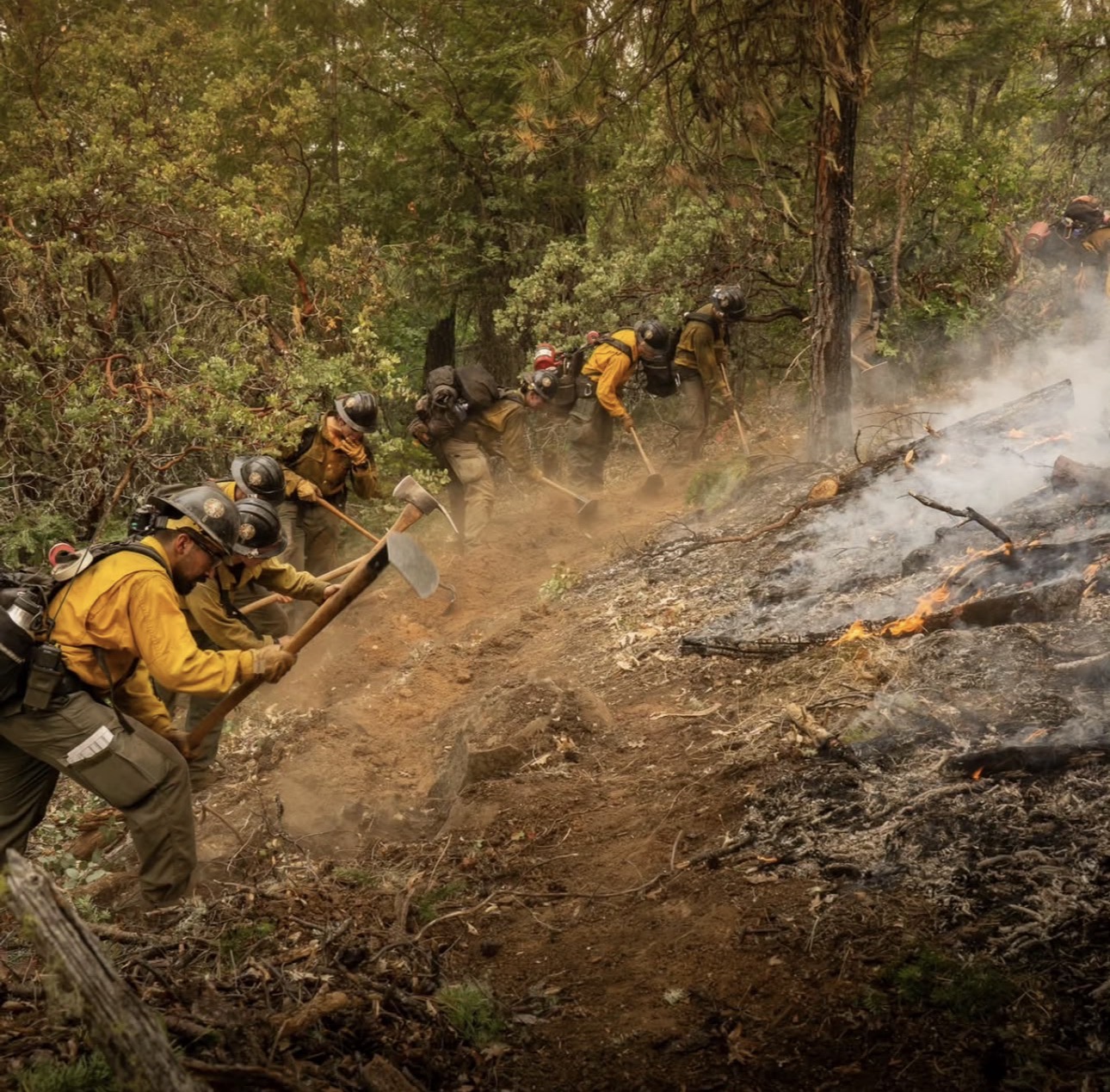
Established in 2021 following Oregon’s devastating 2020 wildfire season, Crew 30 has become a key part of Clackamas Fire’s wildfire strategy. The crew helps protect communities locally while deploying to major incidents across the state and beyond.
This season, Crew 30 responded to multiple fires locally, including the Mosier Creek Fire and the Kinney Ridge Fire, before an early season deployment to Alaska. The crew also supported multiple incidents across the state, including fires threatening communities near Medford, Sisters, Pendleton, Estacada, and the Mount Hood Corridor.
These assignments give firefighters valuable experience working in challenging conditions, managing complex incidents and supporting other crews. That experience comes back to Clackamas Fire, strengthening our ability to respond when wildfire threatens our own communities.
“Deployments give our firefighters the opportunity to work alongside other experienced crews, sharpen their skills and take those lessons back home,” Olson said. “That experience helps us stay prepared for the next fire here in our district.”
Crew 30 also continued expanding its capabilities. This year, the program reached an important milestone through an agreement with the U.S. Forest Service that allows qualified crew members to teach chainsaw skills and help qualify sawyers for work on federal forest lands. The three-year agreement reflects the trust placed in Crew 30 and its commitment to maintaining high training and safety standards.
The crew also supported leadership development, with one member assigned to the Redmond Hotshots for the season to gain experience that can benefit Clackamas Fire in the future.
Supporting wildfire response across Oregon
Clackamas Fire is a major contributor to Oregon’s statewide wildfire response system. This year, the district sent 79 personnel to support 10 of Oregon’s 12 conflagration declarations, spending a combined 58 calendar nights assisting communities threatened by major fires.
Personnel supported operations in a variety of roles, from frontline firefighting to specialized incident management and medical support. These deployments help communities facing immediate threats while allowing our firefighters to learn from incidents that may be larger or more complex than those typically encountered at home.
Wildfire response is a shared effort. When conditions are severe elsewhere, Clackamas Fire sends resources to help. When our own communities need additional support, neighboring agencies can return that assistance.
Prepared for the next fire season
Wildfire readiness extends beyond the summer months. Crew 30 has continued prescribed burning and fuels-management work in Deschutes County, using carefully planned fire to reduce accumulated vegetation and support healthier forest ecosystems. These projects help reduce future fuel loads and restore the role of low-intensity fire in the landscape.
From aggressive initial attack close to home to deployments across the region, Clackamas Fire’s wildfire program is built around preparation, teamwork and getting resources where they are needed most. The 2023 Emergency Services Levy helped strengthen that response, and this season showed the value of having trained firefighters ready to act when a fire starts.