Benton County Proclaims February 2026 Black History Month, Highlights Local Legacy (Photo) - 02/13/26
The Benton County Board of Commissioners proclaimed February 2026 as Black History Month during its Feb. 3 meeting, recognizing the achievements, history and cultural contributions of Black Americans both locally and nationwide.
John Phillips IV, president of the Linn-Benton NAACP, read the proclamation and spoke about the importance of honoring Black history while encouraging continued learning and open dialogue in the community.

John Phillips IV, president of the Linn-Benton NAACP, pauses for a photo after reading the Black History Month proclamation at the Benton County Board of Commissioners Office on Feb. 3, 2026, in Corvallis.
“It serves as a time to honor cultural heritage and promote awareness, education and inclusion,” Phillips said.
The proclamation notes that Black History Month began in 1926, through the work of historian Dr. Carter G. Woodson, and expanded to a month-long national observance in 1976. The 2026 national theme, “A Century of Black History Commemorations,” marks 100 years since the first formal celebrations of Black history in the United States.
But Black history in Benton County goes back a lot farther than that. The stories of Black pioneers remain visible in local names and community records. Crystal Lake Cemetery in Corvallis, managed by Benton County, is the final resting place of some of these local trailblazers.
Hannah and Eliza Gorman were among the first recorded Black residents of Corvallis, arriving in the 1840s as enslaved people and later purchasing property in the 1850s despite Oregon’s exclusion laws. Eliza became known locally for her seamstress skills, and her obituary in the Corvallis Gazette reflected the respect she earned within the community.
Louis, sometimes spelled Lewis, Southworth was born into slavery in Tennessee, bought his freedom and became a respected farmer, blacksmith and fiddler. He later lived in the Corvallis area. Southworth Creek bears his name as a lasting reminder of his presence and community impact.
Reuben and Mary Jane Shipley were early Black settlers who secured their freedom, became landowners and later donated the land that became Mt. Union Cemetery in Philomath. A historical marker today honors their family’s legacy and community contributions. Together, these local histories underscore the perseverance, resilience and community impact of Black Oregonians. As Benton County observes Black History Month, these stories help connect the past to the present, reminding residents that Black history is not only national in scope, but deeply woven into the foundation of our local community.
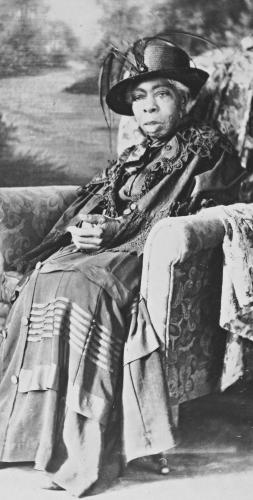
Mary Jane Holmes Shipley Drake (1841–1925), early Oregon resident and matriarch of one of Benton County’s Black pioneer families. Born into slavery, she gained her freedom and, with her husband Reuben Shipley, became a respected community member whose family helped shape local history. Courtesy of Wikimedia Commons (public domain).
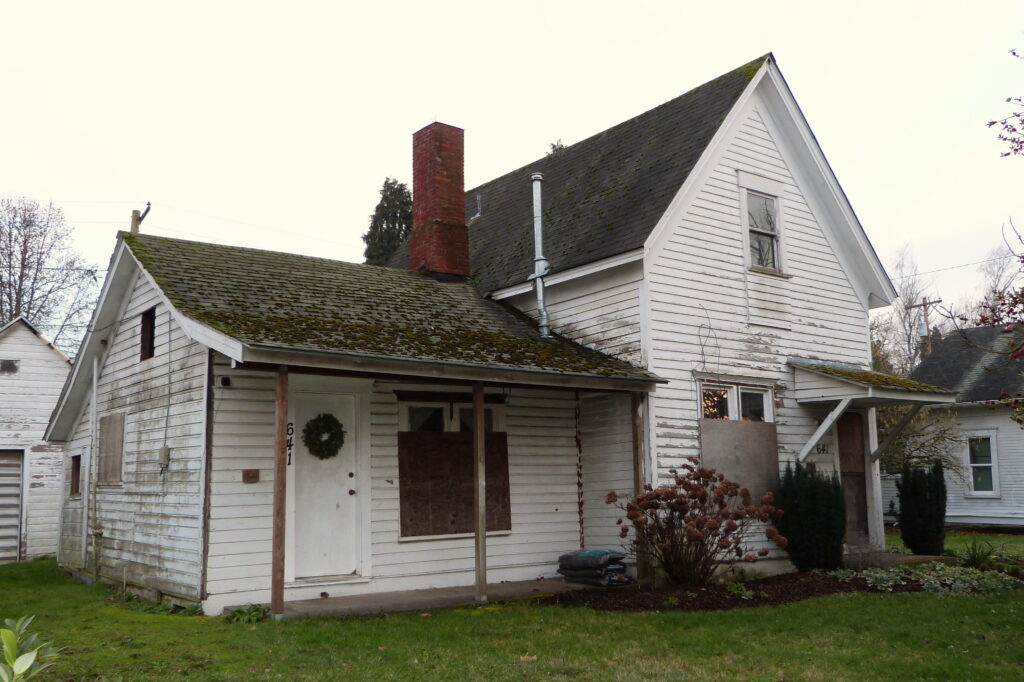
The Hannah and Eliza Gorman House in Corvallis, associated with two of the earliest documented Black residents of Benton County. Hannah and her daughter Eliza arrived in the 1840s as enslaved people and later became property owners, with Eliza known locally for her seamstress work and community standing. Courtesy of Wikimedia Commons (public domain).
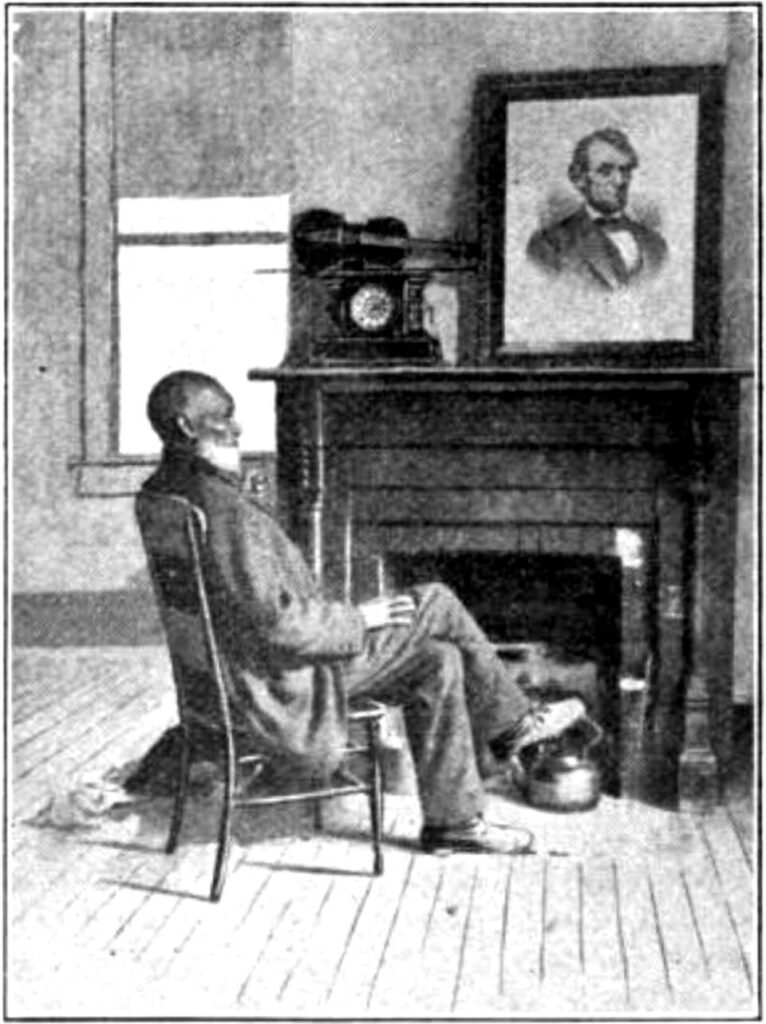
Louis Southworth (c. 1800s), formerly enslaved, self-emancipated Black pioneer, farmer, blacksmith and fiddler in the Corvallis area. His legacy lives on in local place names such as Southworth Creek. Courtesy of Wikimedia Commons (public domain).