Bend Fire & Rescue

Emergency Messages as of 5:18 AM, Sat. Jan 3

No information currently posted.

Subscribe to receive FlashAlert messages from Bend Fire & Rescue.

News Release

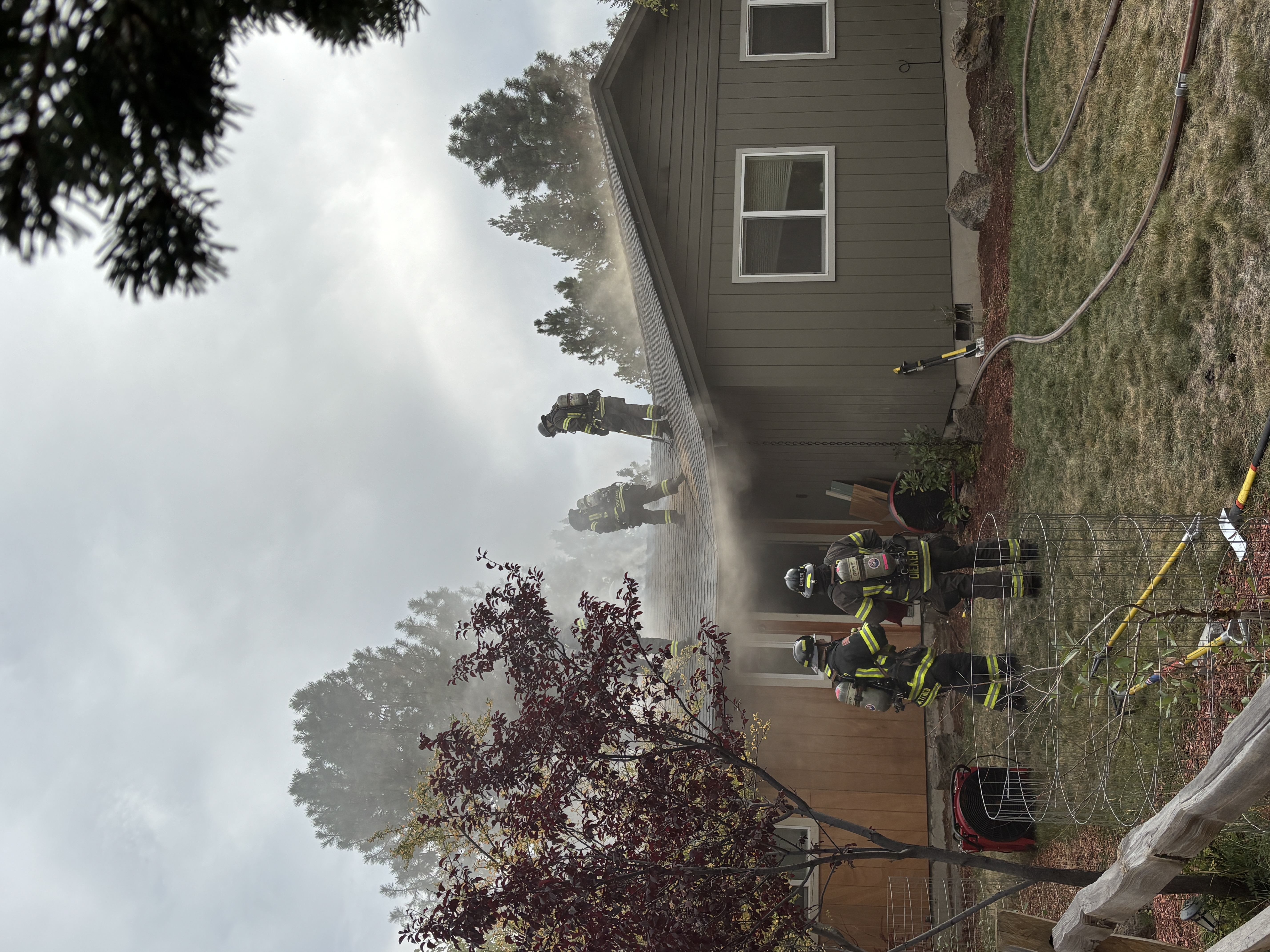
House Fire On NE Vail Ln In Bend 12-30-25 (Photo) - 12/30/25

Bend Fire & Rescue responded to a reported kitchen fire in one side of a duplex on NE Vail Ln on Tuesday morning. The occupant was asleep and woke to the sound of the smoke alarms sounding. The occupant found the house full of smoke and evacuated, calling 911 in the process. Fire crews arrived shortly after and stopped the fire from spreading. With the quick notification of 911 and quick response, the damage was limited to minor fire damage in the kitchen and smoke throughout the house. Any delay in the activation of 911 could’ve resulted in a complete loss of the home and its contents. Red Cross was called in to assist the family as they will be out of the house until repairs can be completed. The family pets also evacuated safely.


The fire was traced back to the stove top in the kitchen. It’s unclear if the stove was left on or the knob was accidentally bumped on, but food on stove top caught fire and spread to the adjacent cupboards. Damage is estimated at $75,000 to the house and contents. The occupants are renters and have renters’ insurance. No damage was reported to the other side of the duplex.


The working smoke alarms were key in the survival of the occupant. With the occupant asleep upstairs, without the smoke alarms alerting them to the fire below, they may not have known of the fire until it’s too late. With modern construction and furnishings in a house, seconds count. Homes built and furnished 50+ years ago could burn for 17 or more minutes before a room was not survivable. With today’s modern furnishings all having plastics in them, what used to be 17 minutes is now 3 minutes. A few minutes longer and the thick smoke produced from the cabinets being on fire could’ve been deadly. This is a good reminder to test your smoke alarms regularly and ensure they are in working condition. If they’re not, please replace them as soon as possible.


Tips for home smoke alarms:

  • Smoke and CO alarms only last for 10 years. After that they need to be replaced.
  • If they have alkaline batteries in them, change those batteries annually.
  • Many new hardwired alarms come with Lithium batteries in them, so you don’t have to change batteries annually anymore.
  • New smoke alarms can be easy to install with many brands coming with adapters that allow the work to be done without changing any wiring.

If you need any assistance with your alarms in the Bend area, please feel free to call us at 541-322-6386 to schedule a visit. If outside the Bend area, check with your local fire department or Red Cross branch for assistance.

Attached Media Files: Credit Bend Fire,

House Fire On NE Vail Ln In Bend 12-30-25 (Photo) - 12/30/25

Bend Fire & Rescue responded to a reported kitchen fire in one side of a duplex on NE Vail Ln on Tuesday morning. The occupant was asleep and woke to the sound of the smoke alarms sounding. The occupant found the house full of smoke and evacuated, calling 911 in the process. Fire crews arrived shortly after and stopped the fire from spreading. With the quick notification of 911 and quick response, the damage was limited to minor fire damage in the kitchen and smoke throughout the house. Any delay in the activation of 911 could’ve resulted in a complete loss of the home and its contents. Red Cross was called in to assist the family as they will be out of the house until repairs can be completed. The family pets also evacuated safely.


The fire was traced back to the stove top in the kitchen. It’s unclear if the stove was left on or the knob was accidentally bumped on, but food on stove top caught fire and spread to the adjacent cupboards. Damage is estimated at $75,000 to the house and contents. The occupants are renters and have renters’ insurance. No damage was reported to the other side of the duplex.


The working smoke alarms were key in the survival of the occupant. With the occupant asleep upstairs, without the smoke alarms alerting them to the fire below, they may not have known of the fire until it’s too late. With modern construction and furnishings in a house, seconds count. Homes built and furnished 50+ years ago could burn for 17 or more minutes before a room was not survivable. With today’s modern furnishings all having plastics in them, what used to be 17 minutes is now 3 minutes. A few minutes longer and the thick smoke produced from the cabinets being on fire could’ve been deadly. This is a good reminder to test your smoke alarms regularly and ensure they are in working condition. If they’re not, please replace them as soon as possible.


Tips for home smoke alarms:

  • Smoke and CO alarms only last for 10 years. After that they need to be replaced.
  • If they have alkaline batteries in them, change those batteries annually.
  • Many new hardwired alarms come with Lithium batteries in them, so you don’t have to change batteries annually anymore.
  • New smoke alarms can be easy to install with many brands coming with adapters that allow the work to be done without changing any wiring.

If you need any assistance with your alarms in the Bend area, please feel free to call us at 541-322-6386 to schedule a visit. If outside the Bend area, check with your local fire department or Red Cross branch for assistance.

Attached Media Files: Credit Bend Fire,

Garage Fire On Bend's Westside On Christmas Eve (Photo) - 12/24/25

Bend Fire & Rescue was called to a house on NW Terra Meadow Dr Christmas Eve just before 2pm for a fire in a garage. Occupants and neighbors both reported a fire in the garage. Fire crews arrived and quickly extinguished the fire. The fire was reported to be related to an electric car in the garage. During the fire neighbors were asked to shelter in place due to the possible smoke containing lithium-ion by products which can be toxic. The 2 adults and 3 dogs in the house safely evacuated prior to our arrival.
 

The fire was traced back to a failed lithium battery in an electric vehicle. The vehicle was a passenger car converted from gas to an electric vehicle. The battery failed and caught fire, spreading to the contents of the garage. The occupants and neighbors noticed the fire and quickly called 911. With little delay in getting the fire department notified and the construction of the garage, the fire was kept inside the garage. Minimal smoke damage was found throughout the house. The smoke alarms did sound but not right away as the smoke was in the garage until after the occupants opened the door ingo the garage during the incident. The house is not occupiable anymore due mostly to the damage to the home utilities that all come through the garage, but all the family’s Christmas presents and much of their personal belongings were saved from damage. Modern attached garages are built with fire barriers between the garage and the main part of the house. This includes more sheet rock and heavier duty doors leading into the house to prevent a fire in the garage from spreading into the house.


Bend Fire & Rescue wants to if any portion of the vehicle or charging stops working or is not working as it normally does, stop all charging immediately and have the entire system checked out by a qualified professional. This goes for cars, bikes, scooters, and all other types of electric vehicles.

Here are some safety tips for charging EVs from the US Fire Administration, a branch of FEMA:

  • Follow manufacturer’s guidelines when charging your vehicle. Check with your local dealer if you need additional information.
  • Purchase a charging device that is certified by a nationally recognized testing laboratory.
  • Plug Level I EV chargers directly into an outlet designed to handle the amperage of the charging device. Never use a multiplug adapter or extension cord.
  • Install a residual current device with the charging unit. It will turn off the power if a fault is detected and help prevent a fire.
  • Place all charging device components out of reach of children when not in use.
  • Maintain the components of your charging station according to the manufacturer’s maintenance guidelines. Signs of excessive wear may indicate a potential shock hazard. Never use an EV charger with obvious signs of damage.
  • Cover the EV charging station outlet to stop water from entering. Check the manufacturer’s guidelines to make sure it is safe to charge your EV in wet conditions.


As always, never throw any lithium batteries into the trash. These batteries will end up in the landfill where the process of trash collection, dumping, and packing into the landfill can cause the damage needed to start a fire. A fire in the landfill is a major concern of any solid waste department. This includes items with built in lithium batteries such as flashlights, alarms, and other small electronics. Contact your trash service provider, your local landfill, or many electronics stores for safe recycling options in your community.

Attached Media Files: Credit Bend Fire,

Garage Fire On Bend's Westside On Christmas Eve (Photo) - 12/24/25

Bend Fire & Rescue was called to a house on NW Terra Meadow Dr Christmas Eve just before 2pm for a fire in a garage. Occupants and neighbors both reported a fire in the garage. Fire crews arrived and quickly extinguished the fire. The fire was reported to be related to an electric car in the garage. During the fire neighbors were asked to shelter in place due to the possible smoke containing lithium-ion by products which can be toxic. The 2 adults and 3 dogs in the house safely evacuated prior to our arrival.
 

The fire was traced back to a failed lithium battery in an electric vehicle. The vehicle was a passenger car converted from gas to an electric vehicle. The battery failed and caught fire, spreading to the contents of the garage. The occupants and neighbors noticed the fire and quickly called 911. With little delay in getting the fire department notified and the construction of the garage, the fire was kept inside the garage. Minimal smoke damage was found throughout the house. The smoke alarms did sound but not right away as the smoke was in the garage until after the occupants opened the door ingo the garage during the incident. The house is not occupiable anymore due mostly to the damage to the home utilities that all come through the garage, but all the family’s Christmas presents and much of their personal belongings were saved from damage. Modern attached garages are built with fire barriers between the garage and the main part of the house. This includes more sheet rock and heavier duty doors leading into the house to prevent a fire in the garage from spreading into the house.


Bend Fire & Rescue wants to if any portion of the vehicle or charging stops working or is not working as it normally does, stop all charging immediately and have the entire system checked out by a qualified professional. This goes for cars, bikes, scooters, and all other types of electric vehicles.

Here are some safety tips for charging EVs from the US Fire Administration, a branch of FEMA:

  • Follow manufacturer’s guidelines when charging your vehicle. Check with your local dealer if you need additional information.
  • Purchase a charging device that is certified by a nationally recognized testing laboratory.
  • Plug Level I EV chargers directly into an outlet designed to handle the amperage of the charging device. Never use a multiplug adapter or extension cord.
  • Install a residual current device with the charging unit. It will turn off the power if a fault is detected and help prevent a fire.
  • Place all charging device components out of reach of children when not in use.
  • Maintain the components of your charging station according to the manufacturer’s maintenance guidelines. Signs of excessive wear may indicate a potential shock hazard. Never use an EV charger with obvious signs of damage.
  • Cover the EV charging station outlet to stop water from entering. Check the manufacturer’s guidelines to make sure it is safe to charge your EV in wet conditions.


As always, never throw any lithium batteries into the trash. These batteries will end up in the landfill where the process of trash collection, dumping, and packing into the landfill can cause the damage needed to start a fire. A fire in the landfill is a major concern of any solid waste department. This includes items with built in lithium batteries such as flashlights, alarms, and other small electronics. Contact your trash service provider, your local landfill, or many electronics stores for safe recycling options in your community.

Attached Media Files: Credit Bend Fire,

Fire In Shed Nearly Spreads To Nearby Houses (Photo) - 12/04/25

A fire was reported in the SW area of Bend, near residential homes off of Chuckanut Drive, in the late morning of December 4th.  An adjacent occupant of a nearby home alerted the occupant of the property of a shed fire that started near a residential house.  A neighbor called 911 and the fully involved shed fire was quickly contained and extinguished by responding Bend Fire & Rescue crews.  The fire completely destroyed a garden shed, damaging a property line fence and partially burned several large pine trees.  The cause of the fire has been determined to be accidental in nature, caused by hot ashes placed on dry compost materials in close proximity to a wooden shed.  Hot ashes that were removed from a wood burning appliance in the early morning, had significant heat from the fire in the wood burning appliance the night before and ignited combustibles and quickly spread to the nearby wooden shed.  Nearby residential homes were not damaged due to the quick response from fire crews after 911 was called and dispatched the appropriate resources.  Damages are estimated to be roughly $20,000.   


It is important to dispose of hot ashes from wood burning appliances correctly.  Best practice is to first let ashes cool in the burning appliance for 2-3 days before taking them out.  Then when they have cooled significantly place them in a non-combustible container, such as a sturdy metal container with metal lid and leaving in the container, 10 feet away from any combustibles, until completely cool and extinguished.  This can take multiple days or even weeks.  Ashes taken out of a wood burning appliance can remain hot enough to ignite combustibles for 4 – 7 days, in some cases even longer, after they have been removed from the source.  Even though they may not be smoking or feel hot to the touch, hot embers may be deep inside of ash and remain hot enough to support combustion.  Never place hot ashes in a plastic or combustible container or near combustible materials prior to ensuring complete extinguishment.  

Attached Media Files: IMG_0452.JPG, IMG_0467.JPG, IMG_0472.JPG,

Fire In Shed Nearly Spreads To Nearby Houses (Photo) - 12/04/25

A fire was reported in the SW area of Bend, near residential homes off of Chuckanut Drive, in the late morning of December 4th.  An adjacent occupant of a nearby home alerted the occupant of the property of a shed fire that started near a residential house.  A neighbor called 911 and the fully involved shed fire was quickly contained and extinguished by responding Bend Fire & Rescue crews.  The fire completely destroyed a garden shed, damaging a property line fence and partially burned several large pine trees.  The cause of the fire has been determined to be accidental in nature, caused by hot ashes placed on dry compost materials in close proximity to a wooden shed.  Hot ashes that were removed from a wood burning appliance in the early morning, had significant heat from the fire in the wood burning appliance the night before and ignited combustibles and quickly spread to the nearby wooden shed.  Nearby residential homes were not damaged due to the quick response from fire crews after 911 was called and dispatched the appropriate resources.  Damages are estimated to be roughly $20,000.   


It is important to dispose of hot ashes from wood burning appliances correctly.  Best practice is to first let ashes cool in the burning appliance for 2-3 days before taking them out.  Then when they have cooled significantly place them in a non-combustible container, such as a sturdy metal container with metal lid and leaving in the container, 10 feet away from any combustibles, until completely cool and extinguished.  This can take multiple days or even weeks.  Ashes taken out of a wood burning appliance can remain hot enough to ignite combustibles for 4 – 7 days, in some cases even longer, after they have been removed from the source.  Even though they may not be smoking or feel hot to the touch, hot embers may be deep inside of ash and remain hot enough to support combustion.  Never place hot ashes in a plastic or combustible container or near combustible materials prior to ensuring complete extinguishment.  

Attached Media Files: IMG_0452.JPG, IMG_0467.JPG, IMG_0472.JPG,