Oregon Dept. of Forestry

Emergency Messages as of 7:49 PM, Tue. Jun 23

No information currently posted.

logo

Subscribe to receive FlashAlert messages from Oregon Dept. of Forestry.

News Release

Emerald Ash Borer Found In Several New Locations In Northern Willamette Valley (Photo) - 06/23/26

(TUALATIN, Ore.) – The tree-killing emerald ash borer (EAB) pest has been confirmed in at least three new Willamette Valley communities this month – in a shopping center parking lot just east of I-5 in Tualatin, in a parking lot right outside Newberg, and at a private residence in Silverton.


The new detections are within the existing EAB quarantine zone covering the five counties where this pest has been found so far. Counties within the quarantined zone are Clackamas, Marion, Multnomah, Washington and Yamhill. By order of the Oregon Department of Agriculture, tree material from ash, olive, and white fringetree must remain within quarantined counties, along with firewood from any hardwood tree.


Oregon Department of Forestry EAB Support Specialist Matt Mills said, “we have long known that EAB would spread from infested sites to nearby areas, so these new detections are not unexpected. Experience from other states shows that four to five years or so after first being detected EAB spreads from pockets of infested ash trees and becomes much more widespread over an entire county or metropolitan area.”


All three reports were made by private individuals who recognized ash trees that were showing signs of EAB infestation and knew to report them on the invasive species hotline at https://oregoninvasiveshotline.org.


Kat Bethea, also an EAB Support Specialist with the Oregon Department of Forestry, said this shows the success of four years of outreach to the public in northwest Oregon with information about EAB and what to expect and where to report sightings.


“We are thankful that people are paying attention to the health of ash trees around them and letting us know when signs point to a possible EAB infestation,” Bethea said.

Bethea added that ODF has sent messages to officials in the affected towns and those in surrounding communities to let them know to keep a close eye on ash trees in their community for signs of EAB.


What the public can do

“This is a good time to identify any ash trees on your property. Decide which ones, if any, you want to keep and contact a licensed pesticide applicator to begin protective treatment with a systemically injected insecticide,” said Bethea.


Mills said if homeowners plan to remove ash trees already in poor condition, then they should wait until mid-October when adult EAB beetles are no longer flying. “Pre-emptive removal of such trees will allow them to replant with trees that aren’t vulnerable,” he said. “This will start restoring tree canopy and also spreads out the cost of removals. Simply waiting for EAB to start killing trees in your town can become overwhelming in a short period of time and costly.”

Mills said ash trees quickly become brittle and hazardous to climb or work under once they are killed.


“Removal of a dead or rapidly dying ash tree is more dangerous and costly than when it is still alive. That’s why in newly infested areas or areas nearby it’s a best practice to pre-emptively remove any ash trees that are along streets or in parks or yards, and which are in poor condition or planted in the wrong place,” he said.


Mills added that although EAB is spreading naturally through the northern Willamette Valley, people moving firewood more than 10 to 15 miles from an EAB-infested tree risk taking the pest into distant, uninfested areas. “Firewood being moved is a known way EAB is able to travel farther and spread faster than it could on its own. That is why the Oregon Department of Agriculture doesn’t allow hardwood firewood to be moved from quarantined zones.”


For more information on how to identify ash trees or EAB, what the signs of infestation are, and what can be done in response to an infestation, please visit www.OregonEAB.com.


Newberg

The pest was first reported in Yamhill County only two years ago. At that time, a single beetle was found on the county’s northern border with Washington County. This June the Oregon Department of Agriculture’s Max Ragozzino investigated a report called in to the Oregon Invasive Species Hotline. Ragozzino found two trees in a parking lot were heavily infested with EAB. Six others appear to be only lightly infested so far.


Tualatin

After a report came to the hotline about ash trees in a commercial parking lot near I-5 with telltale signs of EAB, ODF was able to visit and confirm that a number of the trees were infested with EAB. The location is especially concerning because it is only about a mile from the Tualatin River, whose banks are shaded by large numbers of Oregon ash.

City of Tualatin Parks Maintenance Manager Tom Steiger states that the city has been following the movement of the emerald ash borer, conducting tests within the city, and learning about treatment and mitigation measures. Additionally, the city has an inventory of where ash trees are located as street trees, and has funding budgeted for a survey along the banks of the Tualatin River and other natural areas, which can help inform next steps in the approach to management and replacement of ash trees within the city.


Silverton

A private pesticide applicator coming to treat an ash tree in a residential neighborhood on the north side of town reported signs of EAB in the tree, which ODF later confirmed. A second report has since come in as well, Mills said.

                                                          # # #

Emerald Ash Borer Found In Several New Locations In Northern Willamette Valley (Photo) - 06/23/26

(TUALATIN, Ore.) – The tree-killing emerald ash borer (EAB) pest has been confirmed in at least three new Willamette Valley communities this month – in a shopping center parking lot just east of I-5 in Tualatin, in a parking lot right outside Newberg, and at a private residence in Silverton.


The new detections are within the existing EAB quarantine zone covering the five counties where this pest has been found so far. Counties within the quarantined zone are Clackamas, Marion, Multnomah, Washington and Yamhill. By order of the Oregon Department of Agriculture, tree material from ash, olive, and white fringetree must remain within quarantined counties, along with firewood from any hardwood tree.


Oregon Department of Forestry EAB Support Specialist Matt Mills said, “we have long known that EAB would spread from infested sites to nearby areas, so these new detections are not unexpected. Experience from other states shows that four to five years or so after first being detected EAB spreads from pockets of infested ash trees and becomes much more widespread over an entire county or metropolitan area.”


All three reports were made by private individuals who recognized ash trees that were showing signs of EAB infestation and knew to report them on the invasive species hotline at https://oregoninvasiveshotline.org.


Kat Bethea, also an EAB Support Specialist with the Oregon Department of Forestry, said this shows the success of four years of outreach to the public in northwest Oregon with information about EAB and what to expect and where to report sightings.


“We are thankful that people are paying attention to the health of ash trees around them and letting us know when signs point to a possible EAB infestation,” Bethea said.

Bethea added that ODF has sent messages to officials in the affected towns and those in surrounding communities to let them know to keep a close eye on ash trees in their community for signs of EAB.


What the public can do

“This is a good time to identify any ash trees on your property. Decide which ones, if any, you want to keep and contact a licensed pesticide applicator to begin protective treatment with a systemically injected insecticide,” said Bethea.


Mills said if homeowners plan to remove ash trees already in poor condition, then they should wait until mid-October when adult EAB beetles are no longer flying. “Pre-emptive removal of such trees will allow them to replant with trees that aren’t vulnerable,” he said. “This will start restoring tree canopy and also spreads out the cost of removals. Simply waiting for EAB to start killing trees in your town can become overwhelming in a short period of time and costly.”

Mills said ash trees quickly become brittle and hazardous to climb or work under once they are killed.


“Removal of a dead or rapidly dying ash tree is more dangerous and costly than when it is still alive. That’s why in newly infested areas or areas nearby it’s a best practice to pre-emptively remove any ash trees that are along streets or in parks or yards, and which are in poor condition or planted in the wrong place,” he said.


Mills added that although EAB is spreading naturally through the northern Willamette Valley, people moving firewood more than 10 to 15 miles from an EAB-infested tree risk taking the pest into distant, uninfested areas. “Firewood being moved is a known way EAB is able to travel farther and spread faster than it could on its own. That is why the Oregon Department of Agriculture doesn’t allow hardwood firewood to be moved from quarantined zones.”


For more information on how to identify ash trees or EAB, what the signs of infestation are, and what can be done in response to an infestation, please visit www.OregonEAB.com.


Newberg

The pest was first reported in Yamhill County only two years ago. At that time, a single beetle was found on the county’s northern border with Washington County. This June the Oregon Department of Agriculture’s Max Ragozzino investigated a report called in to the Oregon Invasive Species Hotline. Ragozzino found two trees in a parking lot were heavily infested with EAB. Six others appear to be only lightly infested so far.


Tualatin

After a report came to the hotline about ash trees in a commercial parking lot near I-5 with telltale signs of EAB, ODF was able to visit and confirm that a number of the trees were infested with EAB. The location is especially concerning because it is only about a mile from the Tualatin River, whose banks are shaded by large numbers of Oregon ash.

City of Tualatin Parks Maintenance Manager Tom Steiger states that the city has been following the movement of the emerald ash borer, conducting tests within the city, and learning about treatment and mitigation measures. Additionally, the city has an inventory of where ash trees are located as street trees, and has funding budgeted for a survey along the banks of the Tualatin River and other natural areas, which can help inform next steps in the approach to management and replacement of ash trees within the city.


Silverton

A private pesticide applicator coming to treat an ash tree in a residential neighborhood on the north side of town reported signs of EAB in the tree, which ODF later confirmed. A second report has since come in as well, Mills said.

                                                          # # #

2026 Mid-Willamette Valley Interagency Wildland Fire School Begins June 22 In Sweet Home (Photo) - 06/22/26

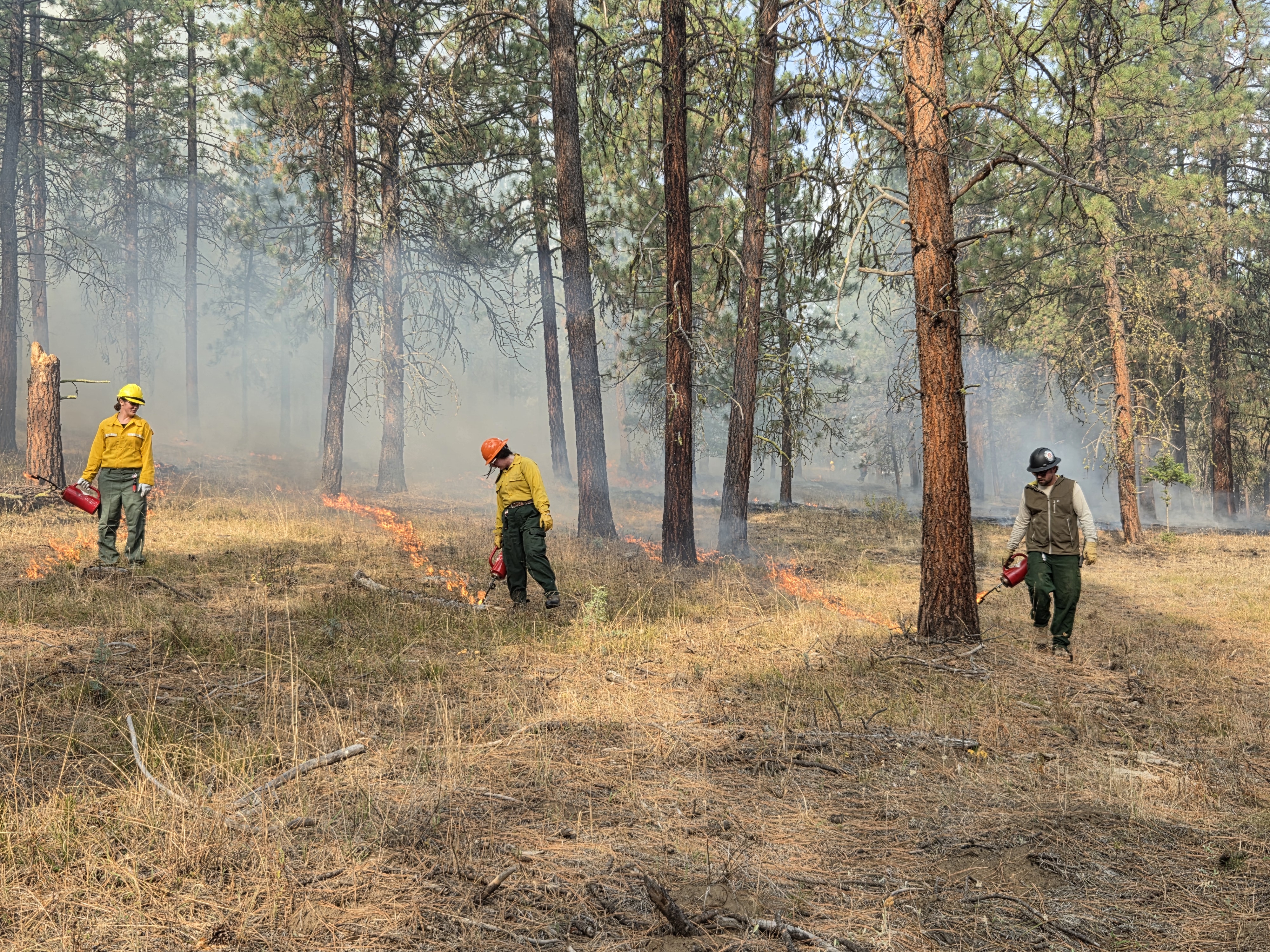
SWEET HOME, Ore.—Approximately 200 wildland firefighters and instructors will convene in Sweet Home on June 22 to take part in the annual five-day Mid-Willamette Valley Interagency Wildland Fire School. Officials from Oregon Department of Forestry (ODF) host the yearly training to prepare new firefighters for the rigors of fighting fire, both in Oregon's forests and in wildland-urban interface areas.


The training culminates with a live fire exercise on Friday, June 26. This year’s live fire location is north of Foster Lake. Fire officials urge the public to use caution as there will be increased fire traffic in the area and the potential for visible smoke.


The exercise presents trainees with a final challenge: applying their newly acquired skills and techniques to suppress and mop-up a real fire under controlled conditions.


 “The live fire exercise provides a valuable training experience—working in smoke, hiking through uneven terrain, and working closely with crew members to dig fireline—these are all things they’ll experience this season as wildland firefighters,” said Craig Pettinger, Incident Commander for the Mid-Willamette Valley Interagency Fire School and ODF’s Sweet Home Unit Forester.


Safety principles of fire training include wearing protective gear, safe use of tools and looking out for hazards.


“Safety is paramount in every aspect of wildland firefighting, and it begins with our training exercises,” continued Pettinger. “Working together in a collaborative training setting improves communication and builds effective relationships for all agencies to draw upon during fire season."

Cascade Timber Consulting, a local forest landowner, provides a new field site each year for firefighter training. “We are very grateful to them for their continued partnership and investment in Oregon’s wildland firefighters,” Pettinger said.


Notes to Media:
This opportunity offers access to both trainee and experienced firefighters as they prepare for the 2026 fire season. Media members are required to provide advance notice of your intent to participate, as all media must be accompanied by an agency escort and have personal protective equipment. Please RSVP to Al De Vos by June 24 if you would like to attend the live fire exercise on June 26.
 
Personal protective equipment includes Nomex pants, long sleeve Nomex shirt, gloves, hard hat, eye protection, and boots with Vibram soles. Personal protective equipment (excluding leather boots) may be available for media to borrow by contacting Al De Vos with ODF.


Attached Media Files: IMG_1462.JPG,

2026 Mid-Willamette Valley Interagency Wildland Fire School Begins June 22 In Sweet Home (Photo) - 06/22/26

SWEET HOME, Ore.—Approximately 200 wildland firefighters and instructors will convene in Sweet Home on June 22 to take part in the annual five-day Mid-Willamette Valley Interagency Wildland Fire School. Officials from Oregon Department of Forestry (ODF) host the yearly training to prepare new firefighters for the rigors of fighting fire, both in Oregon's forests and in wildland-urban interface areas.


The training culminates with a live fire exercise on Friday, June 26. This year’s live fire location is north of Foster Lake. Fire officials urge the public to use caution as there will be increased fire traffic in the area and the potential for visible smoke.


The exercise presents trainees with a final challenge: applying their newly acquired skills and techniques to suppress and mop-up a real fire under controlled conditions.


 “The live fire exercise provides a valuable training experience—working in smoke, hiking through uneven terrain, and working closely with crew members to dig fireline—these are all things they’ll experience this season as wildland firefighters,” said Craig Pettinger, Incident Commander for the Mid-Willamette Valley Interagency Fire School and ODF’s Sweet Home Unit Forester.


Safety principles of fire training include wearing protective gear, safe use of tools and looking out for hazards.


“Safety is paramount in every aspect of wildland firefighting, and it begins with our training exercises,” continued Pettinger. “Working together in a collaborative training setting improves communication and builds effective relationships for all agencies to draw upon during fire season."

Cascade Timber Consulting, a local forest landowner, provides a new field site each year for firefighter training. “We are very grateful to them for their continued partnership and investment in Oregon’s wildland firefighters,” Pettinger said.


Notes to Media:
This opportunity offers access to both trainee and experienced firefighters as they prepare for the 2026 fire season. Media members are required to provide advance notice of your intent to participate, as all media must be accompanied by an agency escort and have personal protective equipment. Please RSVP to Al De Vos by June 24 if you would like to attend the live fire exercise on June 26.
 
Personal protective equipment includes Nomex pants, long sleeve Nomex shirt, gloves, hard hat, eye protection, and boots with Vibram soles. Personal protective equipment (excluding leather boots) may be available for media to borrow by contacting Al De Vos with ODF.


Attached Media Files: IMG_1462.JPG,

Education Key To Preventing Recreational Shooting Wildfire Starts In Oregon’s State Forests (Photo) - 06/18/26

Tillamook State Forest, Ore.— With fire season now in effect across all Oregon Department of Forestry (ODF) protected lands, including Oregon’s state forests, visitors are encouraged to take every precaution possible to prevent human-caused wildfires.


Across Oregon, approximately 70 percent of wildfires are caused by human activity. While escaped debris burns are among the leading causes of human-caused wildfires statewide, recreational shooting presents a unique challenge in some state forest areas.


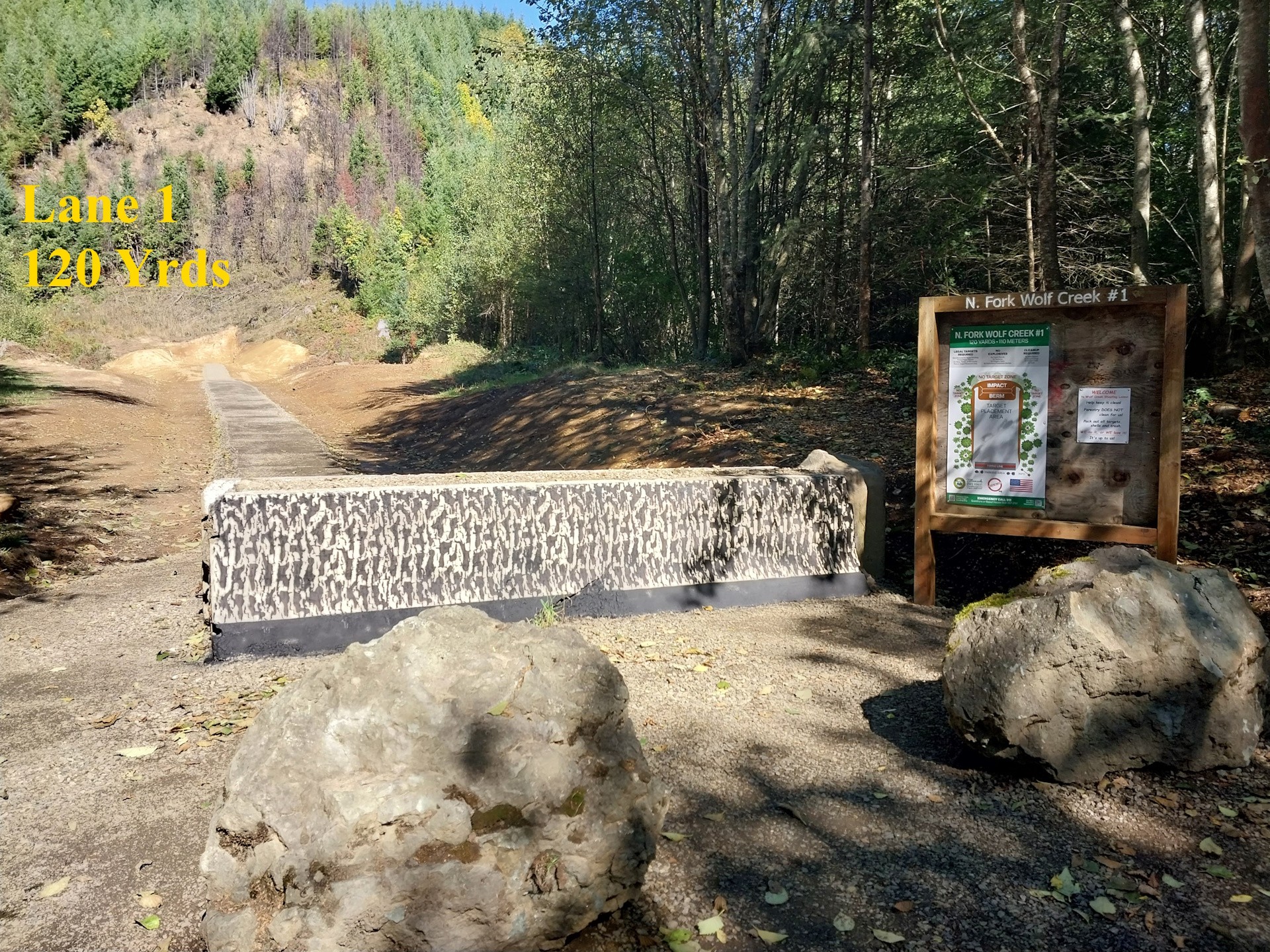
In 2025, three separate wildfires were started by improper target shooting activity at the Wolf Creek Shooting Lanes in the Tillamook State Forest. Those incidents, combined with increasing fire danger, resulted in the temporary closure of the shooting lanes.


“The vast majority of recreational target shooters are doing everything right,” said Ben Burns, ODF Recreation Facilities Manager. “Our volunteer partners, led by the nonprofit organization Trash No Land, do an outstanding job helping educate shooters and assisting with cleanup and maintenance at our shooting lanes. However, ongoing education is critical to ensure users understand and follow the rules that help keep everyone safe and prevent wildfires.”


Target shooting rgulations can be found on the ODF website here and on the Tillamook State Forest Blog here. Please review these before heading out into the forest. Here are some of those important rules:

  • Exploding targets, such as Tannerite, are prohibited on State lands.
  • Shooting of trees or targets attached to trees is prohibited.
  • Shooting from, down or across any trail or road is prohibited.
  • All targets must be manufactured or printed paper targets. Shooting of appliances, furnature or any other garbage material is prohibited.
  • Target shooters must use an appropriately sized, non-flammable, natural backstop.
  • Targets shooting may only take place between one half-hour after sunrise and one half-hour after sunset.
  • Target shooters must remove shell casings, targets and other debris resulting from target shooting from State lands.


Education remains ODF’s preferred approach to wildfire prevention. Recreation, education, and interpretation staff regularly work with visitors to promote safe and responsible recreation. However, law enforcement officers also patrol state forests and may issue citations when necessary.


Although target shooting is allowed in many non-designated areas of state forests, ODF strongly encourages shooters to use designated shooting facilities whenever possible. These sites have been carefully selected and designed to provide safer shooting opportunities while reducing risks to other forest visitors and natural resources.

In the Tillamook State Forest, ODF’s designated shooting facility is the North Fork Wolf Creek Shooting Lanes, located off Highway 26. In the Santiam State Forest, shooters can use the Butte Creek 615 Shooting Lane, accessed from Scotts Mills via Sawtell Road and the Butte Creek Mainline.


“Before setting up targets, shooters should be aware of their surroundings and know what recreation opportunities exist in the area,” Burns said. “Forest roads, trails, dispersed recreation sites, and other users may be nearby. Failing to identify what is beyond your target creates a serious safety hazard.”


ODF also encourages all forest visitors to carry a shovel and at least one gallon of water or a fire extinguisher in their vehicle during fire season.


“That shovel and water are critical to put out a fire start before it becomes a big wildfire,” said Burns.  “So make sure you are prepared and check the local fire restrictions before you leave for a state forest since many areas do not have cell phone coverage.”


For more on fire levels, restrictions and closures see:  Oregon Department of Forestry : Restrictions & closures : Fire : State of Oregon

For general forest recreation rules and public conduct regulations, including those on target shooting see: Oregon Secretary of State Administrative Rules

Education Key To Preventing Recreational Shooting Wildfire Starts In Oregon’s State Forests (Photo) - 06/18/26

Tillamook State Forest, Ore.— With fire season now in effect across all Oregon Department of Forestry (ODF) protected lands, including Oregon’s state forests, visitors are encouraged to take every precaution possible to prevent human-caused wildfires.


Across Oregon, approximately 70 percent of wildfires are caused by human activity. While escaped debris burns are among the leading causes of human-caused wildfires statewide, recreational shooting presents a unique challenge in some state forest areas.


In 2025, three separate wildfires were started by improper target shooting activity at the Wolf Creek Shooting Lanes in the Tillamook State Forest. Those incidents, combined with increasing fire danger, resulted in the temporary closure of the shooting lanes.


“The vast majority of recreational target shooters are doing everything right,” said Ben Burns, ODF Recreation Facilities Manager. “Our volunteer partners, led by the nonprofit organization Trash No Land, do an outstanding job helping educate shooters and assisting with cleanup and maintenance at our shooting lanes. However, ongoing education is critical to ensure users understand and follow the rules that help keep everyone safe and prevent wildfires.”


Target shooting rgulations can be found on the ODF website here and on the Tillamook State Forest Blog here. Please review these before heading out into the forest. Here are some of those important rules:

  • Exploding targets, such as Tannerite, are prohibited on State lands.
  • Shooting of trees or targets attached to trees is prohibited.
  • Shooting from, down or across any trail or road is prohibited.
  • All targets must be manufactured or printed paper targets. Shooting of appliances, furnature or any other garbage material is prohibited.
  • Target shooters must use an appropriately sized, non-flammable, natural backstop.
  • Targets shooting may only take place between one half-hour after sunrise and one half-hour after sunset.
  • Target shooters must remove shell casings, targets and other debris resulting from target shooting from State lands.


Education remains ODF’s preferred approach to wildfire prevention. Recreation, education, and interpretation staff regularly work with visitors to promote safe and responsible recreation. However, law enforcement officers also patrol state forests and may issue citations when necessary.


Although target shooting is allowed in many non-designated areas of state forests, ODF strongly encourages shooters to use designated shooting facilities whenever possible. These sites have been carefully selected and designed to provide safer shooting opportunities while reducing risks to other forest visitors and natural resources.

In the Tillamook State Forest, ODF’s designated shooting facility is the North Fork Wolf Creek Shooting Lanes, located off Highway 26. In the Santiam State Forest, shooters can use the Butte Creek 615 Shooting Lane, accessed from Scotts Mills via Sawtell Road and the Butte Creek Mainline.


“Before setting up targets, shooters should be aware of their surroundings and know what recreation opportunities exist in the area,” Burns said. “Forest roads, trails, dispersed recreation sites, and other users may be nearby. Failing to identify what is beyond your target creates a serious safety hazard.”


ODF also encourages all forest visitors to carry a shovel and at least one gallon of water or a fire extinguisher in their vehicle during fire season.


“That shovel and water are critical to put out a fire start before it becomes a big wildfire,” said Burns.  “So make sure you are prepared and check the local fire restrictions before you leave for a state forest since many areas do not have cell phone coverage.”


For more on fire levels, restrictions and closures see:  Oregon Department of Forestry : Restrictions & closures : Fire : State of Oregon

For general forest recreation rules and public conduct regulations, including those on target shooting see: Oregon Secretary of State Administrative Rules

ODF Invites Media To Live Fire Exercise At Mid-Willamette Valley Interagency Wildland Fire School - 06/18/26

What: The Oregon Department of Forestry (ODF) invites media to a live fire exercise on Friday, June 26. This exercise is the final part of the Mid-Willamette Valley Interagency Wildland Fire School in Sweet Home


When: Friday, June 26, 2026. Check in for media will be 7:45 a.m. at Sweet Home High School, 1641 Long St. Event concludes at 1 p.m.Details: Media will have the opportunity to interview firefighters in training, fire school organizers and trainers; learn more about what it takes to fight wildfire in Oregon; and capture photos and video of firefighting operations.


You must RSVP to Al De Vos at al.devos@odf.oregon.gov by June 24 to attend this event.


Media will be required to wear personal protective gear (PPE), specifically Nomex pants, long sleeve Nomex shirt, gloves, hard hat, eye protection, and leather boots with Vibram soles. Media are encouraged to bring their own PPE if possible. If you need to borrow any of the PPE listed above (excluding boots) include that information in your RSVP for the event.  


Background: Approximately 200 wildland firefighters and instructors will convene in Sweet Home, beginning on June 22, to take part in the annual five-day Mid-Willamette Valley Interagency Wildland Fire School. Officials from Oregon Department of Forestry (ODF) host the yearly training to prepare new firefighters for the rigors of fighting fire, both in Oregon's forests and in wildland-urban interface areas. 


The training culminates with a live fire exercise that gives trainees the opportunity to apply their newly acquired skills and techniques to suppress and mop-up a real fire under controlled conditions. 


ODF Invites Media To Live Fire Exercise At Mid-Willamette Valley Interagency Wildland Fire School - 06/18/26

What: The Oregon Department of Forestry (ODF) invites media to a live fire exercise on Friday, June 26. This exercise is the final part of the Mid-Willamette Valley Interagency Wildland Fire School in Sweet Home


When: Friday, June 26, 2026. Check in for media will be 7:45 a.m. at Sweet Home High School, 1641 Long St. Event concludes at 1 p.m.Details: Media will have the opportunity to interview firefighters in training, fire school organizers and trainers; learn more about what it takes to fight wildfire in Oregon; and capture photos and video of firefighting operations.


You must RSVP to Al De Vos at al.devos@odf.oregon.gov by June 24 to attend this event.


Media will be required to wear personal protective gear (PPE), specifically Nomex pants, long sleeve Nomex shirt, gloves, hard hat, eye protection, and leather boots with Vibram soles. Media are encouraged to bring their own PPE if possible. If you need to borrow any of the PPE listed above (excluding boots) include that information in your RSVP for the event.  


Background: Approximately 200 wildland firefighters and instructors will convene in Sweet Home, beginning on June 22, to take part in the annual five-day Mid-Willamette Valley Interagency Wildland Fire School. Officials from Oregon Department of Forestry (ODF) host the yearly training to prepare new firefighters for the rigors of fighting fire, both in Oregon's forests and in wildland-urban interface areas. 


The training culminates with a live fire exercise that gives trainees the opportunity to apply their newly acquired skills and techniques to suppress and mop-up a real fire under controlled conditions. 


Smoke Management Advisory Committee Meets June 25 - 06/17/26

SALEM, Ore. — The Smoke Management Advisory Committee will meet Thursday, June 25, from 10 a.m. to 2:15 p.m. at the ODF Headquarters, Building C, Tillamook Room, 2600 State Street, Salem. To join virtually, please use the Zoom video conference information found on the agenda.


The committee’s agenda includes:

  • Welcome and roll call
  • Committee business
  • Committee and agency reports
  • Public comment
  • Smoke management fund updates
  • Smoke rule revision update
  • Spring burning overview

The meeting is open to the public to attend either in person or virtually. There will be a period for public comment. Requests for an interpreter for the hearing impaired or other accommodations for persons with disabilities should be made at least 48 hours before the meeting by contacting Shelby Berry at 503-949-5181.


Created by the Legislature in 1989, the five-member committee assists and advises the Oregon Department of Forestry in carrying out its Smoke Management Program. Members are appointed by the State Forester to serve a two-year term, which is renewable. View more information on the SMAC webpage.


Smoke Management Advisory Committee Meets June 25 - 06/17/26

SALEM, Ore. — The Smoke Management Advisory Committee will meet Thursday, June 25, from 10 a.m. to 2:15 p.m. at the ODF Headquarters, Building C, Tillamook Room, 2600 State Street, Salem. To join virtually, please use the Zoom video conference information found on the agenda.


The committee’s agenda includes:

  • Welcome and roll call
  • Committee business
  • Committee and agency reports
  • Public comment
  • Smoke management fund updates
  • Smoke rule revision update
  • Spring burning overview

The meeting is open to the public to attend either in person or virtually. There will be a period for public comment. Requests for an interpreter for the hearing impaired or other accommodations for persons with disabilities should be made at least 48 hours before the meeting by contacting Shelby Berry at 503-949-5181.


Created by the Legislature in 1989, the five-member committee assists and advises the Oregon Department of Forestry in carrying out its Smoke Management Program. Members are appointed by the State Forester to serve a two-year term, which is renewable. View more information on the SMAC webpage.


Oregon Department Of Forestry’s Northeast Oregon District Responds To The Old Emigrant Fire (Photo) - 06/16/26

Pendleton, Ore. – The Oregon Department of Forestry’s (ODF) Northeast Oregon District is responding to the Old Emigrant Fire eight miles east of Pendleton, Oregon, which is estimated to be over 450 acres.

The ODF Northeast Oregon District is in unified command with the U.S. Wildland Fire Service and Umatilla Tribal Fire. Resources from the ODF Northeast Oregon District, U.S. Wildland Fire Service, Umatilla Tribal Fire and Tri-County Mutual Aid are responding.


So far, ODF has sent seven Type 6 engines, one dozer and two overhead personnel to assist in suppression efforts. A Type 2 helicopter has been ordered along with a Type 1 Hotshot Crew. Due to the quick increase in acres, a Type 3 incident management team has been ordered as well.


“Due to wind gusts up to 30 mph and extremely dry fuels, this fire is growing rapidly.” said Justin Lauer, ODF Northeast Oregon District Forester. “Alongside our partners, ODF is working diligently to suppress the fire as quickly and safely as possible.”


The surrounding area is currently in a red flag warning, meaning weather conditions like strong winds, heat, and low humidity are contributing to extreme fire behavior. In conditions like this, it is extremely important for Oregonians to actively practice wildfire prevention.


Check local restrictions and fire danger levels to remain informed and prevent the next human-caused fire.


For more information on how you can help prevent wildfires, visit keeporegongreen.org

Oregon Department Of Forestry’s Northeast Oregon District Responds To The Old Emigrant Fire (Photo) - 06/16/26

Pendleton, Ore. – The Oregon Department of Forestry’s (ODF) Northeast Oregon District is responding to the Old Emigrant Fire eight miles east of Pendleton, Oregon, which is estimated to be over 450 acres.

The ODF Northeast Oregon District is in unified command with the U.S. Wildland Fire Service and Umatilla Tribal Fire. Resources from the ODF Northeast Oregon District, U.S. Wildland Fire Service, Umatilla Tribal Fire and Tri-County Mutual Aid are responding.


So far, ODF has sent seven Type 6 engines, one dozer and two overhead personnel to assist in suppression efforts. A Type 2 helicopter has been ordered along with a Type 1 Hotshot Crew. Due to the quick increase in acres, a Type 3 incident management team has been ordered as well.


“Due to wind gusts up to 30 mph and extremely dry fuels, this fire is growing rapidly.” said Justin Lauer, ODF Northeast Oregon District Forester. “Alongside our partners, ODF is working diligently to suppress the fire as quickly and safely as possible.”


The surrounding area is currently in a red flag warning, meaning weather conditions like strong winds, heat, and low humidity are contributing to extreme fire behavior. In conditions like this, it is extremely important for Oregonians to actively practice wildfire prevention.


Check local restrictions and fire danger levels to remain informed and prevent the next human-caused fire.


For more information on how you can help prevent wildfires, visit keeporegongreen.org

All ODF Districts Are Now In Fire Season - 06/15/26

SALEM, Ore.—As of today, June 15, all Oregon Department of Forestry (ODF) districts are in fire season. This means that to reduce the risk of human-caused wildfires, fire restrictions may be in place where you live or at a destination you plan to visit or recreate. 


“Looking at the current conditions and projections for the summer, ODF is prepared to have another busy fire season,” said Michael Curran, Oregon Department of Forestry’s Fire Protection Division Chief. “Oregonians need to be practicing wildfire prevention and emergency preparedness NOW.”


Now is the time to brush up on your wildfire prevention knowledge. Tips include:

  • Know before you go. Campfires may be banned or only allowed in approved campgrounds.
  • Make sure your campfire is cool to the touch before going to sleep or leaving your site. Don’t forget to Drown, Stir, Repeat. 
  • Forests and fireworks don’t mix. Private use of fireworks is not allowed on forest land, which includes all private lands protected by ODF and all other state and federal forest lands in Oregon. Remember to check any additional city and county firework restrictions as well.  
  • Backyard debris burning either requires a burn permit during fire season or is prohibited altogether. If you burned earlier this spring, go back and check on your debris burn site to make sure nothing reignites due to the heat.
  • Don’t flick a cigarette onto the ground. It may be just enough to start a fire.
  • Don’t park or idle over dried grass.
  • Don’t drag tow chains.
  • Check local restrictions and fire danger levels.

Curran said, “Prevention is our number one tool to reduce property loss, firefighting costs, and risk to the lives of our firefighters. We can’t prevent lightning fires, but we can prevent human-caused fires.”


ODF protects over 16 million acres of private, county, state, and federal land in Oregon from wildfire. Fire season is declared at the local level when conditions reach a point where the risk of a fire starting and spreading becomes clear. This year, the Central Oregon district was the first to declare on May 8, and the Northwest Oregon Area was the last to declare on June 15. 


For more information on how you can help prevent wildfires, visit keeporegongreen.org

All ODF Districts Are Now In Fire Season - 06/15/26

SALEM, Ore.—As of today, June 15, all Oregon Department of Forestry (ODF) districts are in fire season. This means that to reduce the risk of human-caused wildfires, fire restrictions may be in place where you live or at a destination you plan to visit or recreate. 


“Looking at the current conditions and projections for the summer, ODF is prepared to have another busy fire season,” said Michael Curran, Oregon Department of Forestry’s Fire Protection Division Chief. “Oregonians need to be practicing wildfire prevention and emergency preparedness NOW.”


Now is the time to brush up on your wildfire prevention knowledge. Tips include:

  • Know before you go. Campfires may be banned or only allowed in approved campgrounds.
  • Make sure your campfire is cool to the touch before going to sleep or leaving your site. Don’t forget to Drown, Stir, Repeat. 
  • Forests and fireworks don’t mix. Private use of fireworks is not allowed on forest land, which includes all private lands protected by ODF and all other state and federal forest lands in Oregon. Remember to check any additional city and county firework restrictions as well.  
  • Backyard debris burning either requires a burn permit during fire season or is prohibited altogether. If you burned earlier this spring, go back and check on your debris burn site to make sure nothing reignites due to the heat.
  • Don’t flick a cigarette onto the ground. It may be just enough to start a fire.
  • Don’t park or idle over dried grass.
  • Don’t drag tow chains.
  • Check local restrictions and fire danger levels.

Curran said, “Prevention is our number one tool to reduce property loss, firefighting costs, and risk to the lives of our firefighters. We can’t prevent lightning fires, but we can prevent human-caused fires.”


ODF protects over 16 million acres of private, county, state, and federal land in Oregon from wildfire. Fire season is declared at the local level when conditions reach a point where the risk of a fire starting and spreading becomes clear. This year, the Central Oregon district was the first to declare on May 8, and the Northwest Oregon Area was the last to declare on June 15. 


For more information on how you can help prevent wildfires, visit keeporegongreen.org

ODF’s Entire Northwest Oregon Area Enters Fire Season June 15 - 06/12/26

Salem, Ore. – Fire season on lands protected by the Oregon Department of Forestry’s (ODF) protection districts in the Northwest Oregon Area (NWOA) will begin June 15, 2026, at 12:01 a.m. which include:

  • ODF Forest Grove District
  • ODF Tillamook District
  • ODF Astoria District
  • ODF North Cascade District
  • ODF West Oregon District


These districts protect private and public forestland spanning across Marion, Polk, Clackamas, Multnomah, Lincoln, Benton, Yamhill, Tillamook, Clatsop and Columbia Counties.


“Due to drier fuels and forecasted conditions, the ODF districts within Northwest Oregon Area have decided to go into fire season starting June 15,” said Don Everingham, ODF Northwest Oregon Area Director. “Now is the time to be proactive in fire prevention to reduce fire starts in the wake of what is anticipated to be a busy season.”


The launch of fire season sets into motion several fire prevention measures for the general public and forest operations. Call your local district to learn about current burning restrictions or regulations, and if you need a permit. If you were unable to burn your yard debris this spring, cover burn piles and wait until late fall or winter when burning is allowed and conditions are more suitable.


The following activities are prohibited on forestlands protected by ODF when in fire season:

  1. Smoking while working in or traveling through any operation area.

  2. The use of fuse and caps for blasting, unless approval is granted by the forester.

  3. The discharge of an exploding target inside the district or within one-eighth mile of the district.

  4. The discharge of tracer ammunition on land that is within the district or within one-eighth mile of the district, or when discharged, crosses above land that is within the district or within one-eighth mile of the district.


Public use restrictions and regulated use will change as fire danger goes up or down. Stay current on fire danger and restrictions wherever you are this summer by visiting https://www.oregon.gov/odf/fire/pages/restrictions.aspx.


In addition to these public use restrictions, fire season requirements for forest operations also go into effect. Fire season starts with Industrial Fire Precaution Level 1. Operators are required to have fire tools, water supply, spark arresters and a fire watch on site.


The Oregon Department of Forestry urges residents to not become complacent in wildfire prevention this fire season. The fewer human-caused fires we have, the less the district’s resources are strained. For tips on wildfire prevention, visit www.keeporegongreen.org


Check your local restrictions at https://www.oregon.gov/odf/fire/pages/restrictions.aspx.


ODF’s Entire Northwest Oregon Area Enters Fire Season June 15 - 06/12/26

Salem, Ore. – Fire season on lands protected by the Oregon Department of Forestry’s (ODF) protection districts in the Northwest Oregon Area (NWOA) will begin June 15, 2026, at 12:01 a.m. which include:

  • ODF Forest Grove District
  • ODF Tillamook District
  • ODF Astoria District
  • ODF North Cascade District
  • ODF West Oregon District


These districts protect private and public forestland spanning across Marion, Polk, Clackamas, Multnomah, Lincoln, Benton, Yamhill, Tillamook, Clatsop and Columbia Counties.


“Due to drier fuels and forecasted conditions, the ODF districts within Northwest Oregon Area have decided to go into fire season starting June 15,” said Don Everingham, ODF Northwest Oregon Area Director. “Now is the time to be proactive in fire prevention to reduce fire starts in the wake of what is anticipated to be a busy season.”


The launch of fire season sets into motion several fire prevention measures for the general public and forest operations. Call your local district to learn about current burning restrictions or regulations, and if you need a permit. If you were unable to burn your yard debris this spring, cover burn piles and wait until late fall or winter when burning is allowed and conditions are more suitable.


The following activities are prohibited on forestlands protected by ODF when in fire season:

  1. Smoking while working in or traveling through any operation area.

  2. The use of fuse and caps for blasting, unless approval is granted by the forester.

  3. The discharge of an exploding target inside the district or within one-eighth mile of the district.

  4. The discharge of tracer ammunition on land that is within the district or within one-eighth mile of the district, or when discharged, crosses above land that is within the district or within one-eighth mile of the district.


Public use restrictions and regulated use will change as fire danger goes up or down. Stay current on fire danger and restrictions wherever you are this summer by visiting https://www.oregon.gov/odf/fire/pages/restrictions.aspx.


In addition to these public use restrictions, fire season requirements for forest operations also go into effect. Fire season starts with Industrial Fire Precaution Level 1. Operators are required to have fire tools, water supply, spark arresters and a fire watch on site.


The Oregon Department of Forestry urges residents to not become complacent in wildfire prevention this fire season. The fewer human-caused fires we have, the less the district’s resources are strained. For tips on wildfire prevention, visit www.keeporegongreen.org


Check your local restrictions at https://www.oregon.gov/odf/fire/pages/restrictions.aspx.


ODF, Ochoco National Forest Complete First-of-its-kind Reforestation Project Through Good Neighbor Authority (Photo) - 06/10/26

Partnership planted and protected more than 74,000 seedlings across 424 acres affected by the 2024 Crazy Creek Fire


PRINEVILLE, Ore. - The Oregon Department of Forestry’s (ODF) Federal Forest Restoration Program and the Ochoco National Forest have completed a first-of-its-kind reforestation project within the Crazy Creek Fire burn area, planting and protecting more than 74,000 ponderosa pine seedlings across 424 acres of federal forestland.


The Crazy Creek planting project is the first reforestation effort on federal forestland in Oregon to be completed through a state-written and state-administered planting contract under the Good Neighbor Authority (GNA). The Good Neighbor Authority was authorized under the 2014 Farm Bill and allows the Forest Service and Bureau of Land Management to enter into partnership agreements with state agencies to accomplish forest, watershed, and rangeland restoration projects on federal lands. This project demonstrates how state and federal partners can use the GNA to expand restoration capacity and accelerate recovery following severe wildfire.


“This project is a strong example of what the Good Neighbor Authority was designed to accomplish,” said Kyle Sullivan-Astor, ODF’s Federal Forest Restoration Program Lead. “By combining the expertise and resources of the Forest Service and ODF, we were able to complete additional reforestation work that would not otherwise have occurred on this timeline. Each seedling represents an investment in the long-term resilience of Central Oregon’s forests.”


The Ochoco National Forest experienced an exceptionally damaging fire season in 2024. The Crazy Creek, Rail Ridge, and Wiley Flat fires burned hundreds of thousands of acres across the forest, creating an urgent need for reforestation and post-fire restoration.


In spring 2025, the Ochoco National Forest approached ODF’s Federal Forest Restoration Program team in Prineville about expanding the state’s role in post-fire recovery. ODF and the Forest Service subsequently entered into an agreement for ODF to plant 424 acres within the Crazy Creek burn area during the 2026 planting season.


The Forest Service purchased the seedlings and protective materials and stored them at the Ochoco Ranger Station. ODF’s Prineville-based crew completed field reconnaissance and unit layout. ODF personnel also wrote, awarded, administered, inspected, and completed the state planting contract. The contract included eight planting units. Crews planted ponderosa pine seedlings and installed rigid Vexar netting to reduce browsing damage from elk and deer.


The ODF effort built upon a much larger Forest Service planting contract completed across the Crazy Creek, Rail Ridge, and Wiley Flat fire areas. That project, the largest planting contract in the Ochoco National Forest’s history, reforested approximately 3,000 acres with more than 500,000 seedlings. ODF personnel supported the federal contract by leading one of the Forest Service planting crews and assisting with contract implementation and inspections to ensure quality standards were met. After supporting the Forest Service contract, ODF administered its own Crazy Creek planting contract, expanding the total area reforested during the planting season by an additional 424 acres.


Created by the Oregon Legislature in 2013, ODF’s Federal Forest Restoration Program works with federal agencies, Tribes, counties, forest collaboratives, contractors, and other partners to increase the pace, scale, and quality of restoration on Oregon’s federal forestlands. The program uses tools such as the Good Neighbor Authority to complete work that is additive to what federal agencies can accomplish with existing resources.


Across Oregon, GNA projects support a broad range of restoration activities, including forest health treatments, hazardous fuels reduction, timber sale preparation and administration, road improvements, watershed restoration, and tree planting. The Crazy Creek project highlights the growing role these partnerships can play in supporting timely, landscape-scale recovery after wildfire.


Project at a Glance

  • Location: Crazy Creek Fire burn area, Ochoco National Forest
  • Acres reforested through ODF contract: 424 acres
  • Planting units: 8
  • Seedlings planted and protected: More than 74,000
  • Seedling species: Ponderosa pine
  • Protection method: Rigid Vexar netting to reduce browsing by elk and deer
  • Additional Forest Service planting effort supported by ODF: Approximately 3,000 acres and more than 500,000 seedlings across the Crazy Creek, Rail Ridge, and Wiley Flat fire areas

About the Federal Forest Restoration Program

The Oregon Department of Forestry’s Federal Forest Restoration Program partners with federal agencies and other stakeholders to accelerate forest restoration on federal lands in Oregon. The program is guided by state law and prioritizes projects that reduce wildfire risk, improve forest resilience, enhance wildlife habitat and watershed health, support local economies, and increase the pace and scale of restoration.


For more see ODF’s Federal Forest Restoration webpage.

ODF, Ochoco National Forest Complete First-of-its-kind Reforestation Project Through Good Neighbor Authority (Photo) - 06/10/26

Partnership planted and protected more than 74,000 seedlings across 424 acres affected by the 2024 Crazy Creek Fire


PRINEVILLE, Ore. - The Oregon Department of Forestry’s (ODF) Federal Forest Restoration Program and the Ochoco National Forest have completed a first-of-its-kind reforestation project within the Crazy Creek Fire burn area, planting and protecting more than 74,000 ponderosa pine seedlings across 424 acres of federal forestland.


The Crazy Creek planting project is the first reforestation effort on federal forestland in Oregon to be completed through a state-written and state-administered planting contract under the Good Neighbor Authority (GNA). The Good Neighbor Authority was authorized under the 2014 Farm Bill and allows the Forest Service and Bureau of Land Management to enter into partnership agreements with state agencies to accomplish forest, watershed, and rangeland restoration projects on federal lands. This project demonstrates how state and federal partners can use the GNA to expand restoration capacity and accelerate recovery following severe wildfire.


“This project is a strong example of what the Good Neighbor Authority was designed to accomplish,” said Kyle Sullivan-Astor, ODF’s Federal Forest Restoration Program Lead. “By combining the expertise and resources of the Forest Service and ODF, we were able to complete additional reforestation work that would not otherwise have occurred on this timeline. Each seedling represents an investment in the long-term resilience of Central Oregon’s forests.”


The Ochoco National Forest experienced an exceptionally damaging fire season in 2024. The Crazy Creek, Rail Ridge, and Wiley Flat fires burned hundreds of thousands of acres across the forest, creating an urgent need for reforestation and post-fire restoration.


In spring 2025, the Ochoco National Forest approached ODF’s Federal Forest Restoration Program team in Prineville about expanding the state’s role in post-fire recovery. ODF and the Forest Service subsequently entered into an agreement for ODF to plant 424 acres within the Crazy Creek burn area during the 2026 planting season.


The Forest Service purchased the seedlings and protective materials and stored them at the Ochoco Ranger Station. ODF’s Prineville-based crew completed field reconnaissance and unit layout. ODF personnel also wrote, awarded, administered, inspected, and completed the state planting contract. The contract included eight planting units. Crews planted ponderosa pine seedlings and installed rigid Vexar netting to reduce browsing damage from elk and deer.


The ODF effort built upon a much larger Forest Service planting contract completed across the Crazy Creek, Rail Ridge, and Wiley Flat fire areas. That project, the largest planting contract in the Ochoco National Forest’s history, reforested approximately 3,000 acres with more than 500,000 seedlings. ODF personnel supported the federal contract by leading one of the Forest Service planting crews and assisting with contract implementation and inspections to ensure quality standards were met. After supporting the Forest Service contract, ODF administered its own Crazy Creek planting contract, expanding the total area reforested during the planting season by an additional 424 acres.


Created by the Oregon Legislature in 2013, ODF’s Federal Forest Restoration Program works with federal agencies, Tribes, counties, forest collaboratives, contractors, and other partners to increase the pace, scale, and quality of restoration on Oregon’s federal forestlands. The program uses tools such as the Good Neighbor Authority to complete work that is additive to what federal agencies can accomplish with existing resources.


Across Oregon, GNA projects support a broad range of restoration activities, including forest health treatments, hazardous fuels reduction, timber sale preparation and administration, road improvements, watershed restoration, and tree planting. The Crazy Creek project highlights the growing role these partnerships can play in supporting timely, landscape-scale recovery after wildfire.


Project at a Glance

  • Location: Crazy Creek Fire burn area, Ochoco National Forest
  • Acres reforested through ODF contract: 424 acres
  • Planting units: 8
  • Seedlings planted and protected: More than 74,000
  • Seedling species: Ponderosa pine
  • Protection method: Rigid Vexar netting to reduce browsing by elk and deer
  • Additional Forest Service planting effort supported by ODF: Approximately 3,000 acres and more than 500,000 seedlings across the Crazy Creek, Rail Ridge, and Wiley Flat fire areas

About the Federal Forest Restoration Program

The Oregon Department of Forestry’s Federal Forest Restoration Program partners with federal agencies and other stakeholders to accelerate forest restoration on federal lands in Oregon. The program is guided by state law and prioritizes projects that reduce wildfire risk, improve forest resilience, enhance wildlife habitat and watershed health, support local economies, and increase the pace and scale of restoration.


For more see ODF’s Federal Forest Restoration webpage.

MEDIA ALERT: Oregon Department Of Forestry Invites Media To Tour Multi-Mission Aircraft (Photo) - 06/08/26

What: The Oregon Department of Forestry (ODF) invites media to learn about and tour the agency’s new Multi-Mission Aircraft.  


Background: The Oregon Department of Forestry (ODF) is strengthening its statewide wildfire and emergency response capabilities with the addition of a new Multi-Mission Aircraft (MMA).


The new aircraft is a Twin Otter airframe that replaces the agency’s long-serving Partenavia P.68 Observer aircraft which is retiring after more than 40 years of service. The new aircraft is equipped with Artificial Intelligence (AI)-enabled wide-area mapping, high-definition thermal imaging, mission management software with 3D map visualization, and night operations capability, the aircraft will allow ODF to identify and communicate emerging incidents more quickly, track fire behavior with greater precision, and maintain situational awareness during both daytime and nighttime operations.


This $13.23 million investment, including $12 million in legislatively approved bonds (2023) and $1.23 million from additional funding sources, builds on ODF’s long-standing aviation program that has enhanced wildfire detection and response for decades.


Details: Media will have the opportunity to go inside the new aircraft, see the new equipment, learn about enhanced capabilities and how it will serve Oregon, and interview members of the ODF Aviation team who helped to bring this new aircraft to ODF. Representatives from vendors supplying advanced equipment will also be available.


When: Thursday, June 11, 2026


Location: Salem Air Center, 3300 25th St SE, Salem, OR 97302


Time: 10:30 a.m. – 12:00 p.m.

               -Introductions and remarks from the ODF Aviation team will begin at 10:45 a.m.


Please RSVP by emailing Jessica Neujahr, jessica.neujahr@odf.oregon.gov by June 10

Attached Media Files: MMA-Media-Availability_FINAL.pdf,

MEDIA ALERT: Oregon Department Of Forestry Invites Media To Tour Multi-Mission Aircraft (Photo) - 06/08/26

What: The Oregon Department of Forestry (ODF) invites media to learn about and tour the agency’s new Multi-Mission Aircraft.  


Background: The Oregon Department of Forestry (ODF) is strengthening its statewide wildfire and emergency response capabilities with the addition of a new Multi-Mission Aircraft (MMA).


The new aircraft is a Twin Otter airframe that replaces the agency’s long-serving Partenavia P.68 Observer aircraft which is retiring after more than 40 years of service. The new aircraft is equipped with Artificial Intelligence (AI)-enabled wide-area mapping, high-definition thermal imaging, mission management software with 3D map visualization, and night operations capability, the aircraft will allow ODF to identify and communicate emerging incidents more quickly, track fire behavior with greater precision, and maintain situational awareness during both daytime and nighttime operations.


This $13.23 million investment, including $12 million in legislatively approved bonds (2023) and $1.23 million from additional funding sources, builds on ODF’s long-standing aviation program that has enhanced wildfire detection and response for decades.


Details: Media will have the opportunity to go inside the new aircraft, see the new equipment, learn about enhanced capabilities and how it will serve Oregon, and interview members of the ODF Aviation team who helped to bring this new aircraft to ODF. Representatives from vendors supplying advanced equipment will also be available.


When: Thursday, June 11, 2026


Location: Salem Air Center, 3300 25th St SE, Salem, OR 97302


Time: 10:30 a.m. – 12:00 p.m.

               -Introductions and remarks from the ODF Aviation team will begin at 10:45 a.m.


Please RSVP by emailing Jessica Neujahr, jessica.neujahr@odf.oregon.gov by June 10

Attached Media Files: MMA-Media-Availability_FINAL.pdf,

New Outdoor Learning Pavilion Opens For Community Use At ODF’s Astoria Demonstration Forest (Photo) - 06/08/26

ASTORIA, Ore.—The new outdoor learning pavilion at the Oregon Department of Forestry’s (ODF) Astoria District Office was completed on May 27. The 16-by-24-foot timber structure is now open for community use as part of the adjacent demonstration forest managed by ODF.


“The original purpose of the pavilion was to support Clatsop County Sixth Grade Forestry Days when we started planning for it in 2018,” said Dan Goody, Astoria District Forester. “It fulfills that purpose, but sixth grade forestry days is just the last week in September so it will be available for other educational and community events the rest of the year.”


Renewed momentum for the project came in early 2025 when the local chapter of Oregon Women in Timber (OWIT) approached ODF with interest in reviving the project after earlier fund-raising efforts had stalled. Their goal was to commemorate the 65th anniversary of Clatsop County Forestry Day, established in 1960, serving every sixth-grade student in the county through an annual forestry field tour. That day is now a two-day event that has been hosted by ODF for the last several years.


Each year during Clatsop County Sixth Grade Forestry Days, more than 400 students receive hands-on experience and get a firsthand look at possible career opportunities in natural resources as they rotate through 10 outdoor stations. Those stations are either out in the open or have temporary tents. The new pavilion will be the first permeant structure for the event.


Working with ODF, OWIT led a very successful fundraising campaign that propelled the project forward. Significant support was provided by: Oregon Forest Resources Institute, Weyerhaeuser Giving Fund, Nuveen Natural Capital, Pacific Power Foundation, Hampton Lumber, Society of American Foresters (SAF), and Clatsop County Safety Council.  Additional in-kind donations of labor and materials were provided by: Warrenton Fiber Company (rock), Bill Hughes Excavation (site work), Mark Baldwin Construction (construction), and Tillamook-Clatsop Chapter of SAF (clearing and brushing).


“We are grateful to the many organizations, partners, and community members whose time, donations, and collaboration made this project possible,” said Goody.  “We plan to have ribbon-cutting ceremonies at the next 6th Grade Forestry Days September 23 and 24 to celebrate the completion of the project.”


Those interested in visiting the demonstration forest can visit any day from dawn to dusk. To reserve the outdoor learning pavilion, contact the ODF’s Astoria District Office at (503) 325-5451. The trailhead and parking area are located at 92219 Highway 202 near Astoria.


The demonstration forest originated from an idea conceived in the early 1990s by former Assistant District Forester Bill Lecture. After Clatsop Community College discontinued operation of its neighboring dairy farm, a portion of unused pasture on adjacent ODF land became available. Seeing an opportunity, Bill envisioned an outdoor classroom dedicated to forestry education. He convened local citizens and educators with a shared interest in forestry to help shape what would become the demonstration forest—a space intended for learning, exploration, and community engagement.


Today anyone can take a self-guided tour of the seven-acre parcel. There is more than a mile of hiking trails with interpretive signs that explain how active management of timber stands benefit state forests. It also helps visitors learn about basic forestry practices.


 For more, see the demonstration forest guide. See the ODF state forest recreational trails and guides page for other recreational opportunities in Clatsop and other state forests.

New Outdoor Learning Pavilion Opens For Community Use At ODF’s Astoria Demonstration Forest (Photo) - 06/08/26

ASTORIA, Ore.—The new outdoor learning pavilion at the Oregon Department of Forestry’s (ODF) Astoria District Office was completed on May 27. The 16-by-24-foot timber structure is now open for community use as part of the adjacent demonstration forest managed by ODF.


“The original purpose of the pavilion was to support Clatsop County Sixth Grade Forestry Days when we started planning for it in 2018,” said Dan Goody, Astoria District Forester. “It fulfills that purpose, but sixth grade forestry days is just the last week in September so it will be available for other educational and community events the rest of the year.”


Renewed momentum for the project came in early 2025 when the local chapter of Oregon Women in Timber (OWIT) approached ODF with interest in reviving the project after earlier fund-raising efforts had stalled. Their goal was to commemorate the 65th anniversary of Clatsop County Forestry Day, established in 1960, serving every sixth-grade student in the county through an annual forestry field tour. That day is now a two-day event that has been hosted by ODF for the last several years.


Each year during Clatsop County Sixth Grade Forestry Days, more than 400 students receive hands-on experience and get a firsthand look at possible career opportunities in natural resources as they rotate through 10 outdoor stations. Those stations are either out in the open or have temporary tents. The new pavilion will be the first permeant structure for the event.


Working with ODF, OWIT led a very successful fundraising campaign that propelled the project forward. Significant support was provided by: Oregon Forest Resources Institute, Weyerhaeuser Giving Fund, Nuveen Natural Capital, Pacific Power Foundation, Hampton Lumber, Society of American Foresters (SAF), and Clatsop County Safety Council.  Additional in-kind donations of labor and materials were provided by: Warrenton Fiber Company (rock), Bill Hughes Excavation (site work), Mark Baldwin Construction (construction), and Tillamook-Clatsop Chapter of SAF (clearing and brushing).


“We are grateful to the many organizations, partners, and community members whose time, donations, and collaboration made this project possible,” said Goody.  “We plan to have ribbon-cutting ceremonies at the next 6th Grade Forestry Days September 23 and 24 to celebrate the completion of the project.”


Those interested in visiting the demonstration forest can visit any day from dawn to dusk. To reserve the outdoor learning pavilion, contact the ODF’s Astoria District Office at (503) 325-5451. The trailhead and parking area are located at 92219 Highway 202 near Astoria.


The demonstration forest originated from an idea conceived in the early 1990s by former Assistant District Forester Bill Lecture. After Clatsop Community College discontinued operation of its neighboring dairy farm, a portion of unused pasture on adjacent ODF land became available. Seeing an opportunity, Bill envisioned an outdoor classroom dedicated to forestry education. He convened local citizens and educators with a shared interest in forestry to help shape what would become the demonstration forest—a space intended for learning, exploration, and community engagement.


Today anyone can take a self-guided tour of the seven-acre parcel. There is more than a mile of hiking trails with interpretive signs that explain how active management of timber stands benefit state forests. It also helps visitors learn about basic forestry practices.


 For more, see the demonstration forest guide. See the ODF state forest recreational trails and guides page for other recreational opportunities in Clatsop and other state forests.

Public Comment Period Opens For Forest Management Plan For Western Oregon State Forest Lands - 06/03/26

SALEM, ORE. – The Oregon Department of Forestry (ODF) has filed a Notice of Proposed Rulemaking for a proposed rule change to adopt a new Forest Management Plan (FMP) for western Oregon state forest lands managed by the department.


The proposed change to this rule will replace the three current FMPs (Northwest Oregon, Southwest Oregon, and Elliott) with a single FMP for these forest lands. The State Forests Division is pursuing an alternative method for compliance with the federal Endangered Species Act by applying for incidental take permits from the U. S. Fish and Wildlife Service and National Oceanic and Atmospheric Administration – Fisheries. The incidental take permits will require the division to manage Oregon state forest lands in compliance with a habitat conservation plan.


The Western Oregon State Forests Management Plan contains guiding principles, goals, and strategies that are compatible with the Western Oregon State Forests Habitat Conservation Plan. The Western Oregon State Forests Management Plan provides management direction for all Board of Forestry Lands and Common School Forest Lands managed by the Oregon Department of Forestry west of the crest of the Cascade Range.


The Board of Forestry may review, modify, or terminate a plan at any time; however, the BOF will review the plan no less than every 10 years. The current Southwest and Northwest FMPs were last revised in 2010, while the Elliott FMP was last revised in 2011. More information about State Forests Management Plans can be found here.


Public comments on the proposed rule will be accepted from June 1 to June 30 at 11:55 p.m. A virtual rulemaking hearing will be held on June 25 at 3 p.m.  The Notice of Proposed Rulemaking contains the link to register to attend or provide comment at the hearing.  The notice also includes important details including but not limited to the proposed rule text and instructions for submitting public comments and participating in the hearings.


More information on this rulemaking effort and ongoing updates can be found on the Rulemaking activity page of the ODF website.

Public Comment Period Opens For Forest Management Plan For Western Oregon State Forest Lands - 06/03/26

SALEM, ORE. – The Oregon Department of Forestry (ODF) has filed a Notice of Proposed Rulemaking for a proposed rule change to adopt a new Forest Management Plan (FMP) for western Oregon state forest lands managed by the department.


The proposed change to this rule will replace the three current FMPs (Northwest Oregon, Southwest Oregon, and Elliott) with a single FMP for these forest lands. The State Forests Division is pursuing an alternative method for compliance with the federal Endangered Species Act by applying for incidental take permits from the U. S. Fish and Wildlife Service and National Oceanic and Atmospheric Administration – Fisheries. The incidental take permits will require the division to manage Oregon state forest lands in compliance with a habitat conservation plan.


The Western Oregon State Forests Management Plan contains guiding principles, goals, and strategies that are compatible with the Western Oregon State Forests Habitat Conservation Plan. The Western Oregon State Forests Management Plan provides management direction for all Board of Forestry Lands and Common School Forest Lands managed by the Oregon Department of Forestry west of the crest of the Cascade Range.


The Board of Forestry may review, modify, or terminate a plan at any time; however, the BOF will review the plan no less than every 10 years. The current Southwest and Northwest FMPs were last revised in 2010, while the Elliott FMP was last revised in 2011. More information about State Forests Management Plans can be found here.


Public comments on the proposed rule will be accepted from June 1 to June 30 at 11:55 p.m. A virtual rulemaking hearing will be held on June 25 at 3 p.m.  The Notice of Proposed Rulemaking contains the link to register to attend or provide comment at the hearing.  The notice also includes important details including but not limited to the proposed rule text and instructions for submitting public comments and participating in the hearings.


More information on this rulemaking effort and ongoing updates can be found on the Rulemaking activity page of the ODF website.

Committee For Family Forestlands Meets June 10 - 06/03/26

SALEM, Ore. — The Committee for Family Forestlands (CFF) will meet virtually on Wednesday, June 10 from 9 a.m. to 2 p.m. To join virtually, please use the Teams video conference information found on the agenda


The committee’s agenda includes:

  • Forest Resources Division update
  • Legacy and Stewardship Program Sub-Workgroup and CFF Charter
  • Adaptive Management Program update
  • Fire update
  • Board of Forestry update
  • Grant Program update
  • Compliance Monitoring update

The meeting is open to the public to attend online via Teams. Accommodations for people with disabilities, and special materials, services, or assistance can be arranged by calling at least 48 hours in advance of the meeting at 503-949-4785 or by email at committee.for.family.forestlands@odf.oregon.gov.


The 13-member committee researches policies that affect family forests, natural resources and forestry benefits. Based on its findings, the committee recommends actions to the Oregon Board of Forestry and the State Forester. View more information on the CFF webpage.

Committee For Family Forestlands Meets June 10 - 06/03/26

SALEM, Ore. — The Committee for Family Forestlands (CFF) will meet virtually on Wednesday, June 10 from 9 a.m. to 2 p.m. To join virtually, please use the Teams video conference information found on the agenda


The committee’s agenda includes:

  • Forest Resources Division update
  • Legacy and Stewardship Program Sub-Workgroup and CFF Charter
  • Adaptive Management Program update
  • Fire update
  • Board of Forestry update
  • Grant Program update
  • Compliance Monitoring update

The meeting is open to the public to attend online via Teams. Accommodations for people with disabilities, and special materials, services, or assistance can be arranged by calling at least 48 hours in advance of the meeting at 503-949-4785 or by email at committee.for.family.forestlands@odf.oregon.gov.


The 13-member committee researches policies that affect family forests, natural resources and forestry benefits. Based on its findings, the committee recommends actions to the Oregon Board of Forestry and the State Forester. View more information on the CFF webpage.

Board Of Forestry To Meet On June 3 – Updated Agenda To Include Executive Session - 06/01/26

SALEM, Ore. — The Oregon Board of Forestry will meet at 8:30 a.m. on Wednesday, June 3. An Executive Session will be held at 8 a.m. prior to convening the public meeting. The meetings will be held in the Tillamook Room, Building C, at the Oregon Department of Forestry headquarters, located at 2600 State St. in Salem. The regular meeting is open to the public and will also be livestreamed on the department’s YouTube channel.


The board’s business agenda includes:

  • Western Oregon State Forests Management Plan
  • Forest Protection Association Budget
  • Rangeland Fire Protection Association Budget

The full agenda is available on the board’s webpage.


The Executive Session will be closed to the public, except for members of the press who are permitted to attend by law. This Executive Session is held pursuant to ORS 192.660 (2)(f) to consider information or records that are exempt by law from public inspection as well as pursuant to ORS 192.660(2)(h) to consult with legal counsel concerning the legal rights and duties of a public body with regard to current litigation or litigation likely to be filed.


Signing up for live testimony is required. Instructions are available online. Written testimony will also be accepted. Written comments can be submitted before or up to two weeks after the meeting day by mail to the Board Support Office, 2600 State St., Salem, OR 97310 or email to boardofforestry@odf.oregon.gov. Please include the appropriate agenda item and topic with the submission.


Accommodations for people with disabilities, and special materials, services, or assistance can be arranged at least 48 hours in advance of the meeting at 503-302-6344 or by email at boardofforestry@odf.oregon.gov

The Oregon Board of Forestry consists of seven citizens nominated by the Governor and confirmed by the Oregon Senate. Responsibilities include setting management direction for state-owned forests, adopting rules governing timber harvest and other practices on private forestland, and promoting sustainable management of Oregon’s 30 million-acre forestland base. Learn more about the board.

Board Of Forestry To Meet On June 3 – Updated Agenda To Include Executive Session - 06/01/26

SALEM, Ore. — The Oregon Board of Forestry will meet at 8:30 a.m. on Wednesday, June 3. An Executive Session will be held at 8 a.m. prior to convening the public meeting. The meetings will be held in the Tillamook Room, Building C, at the Oregon Department of Forestry headquarters, located at 2600 State St. in Salem. The regular meeting is open to the public and will also be livestreamed on the department’s YouTube channel.


The board’s business agenda includes:

  • Western Oregon State Forests Management Plan
  • Forest Protection Association Budget
  • Rangeland Fire Protection Association Budget

The full agenda is available on the board’s webpage.


The Executive Session will be closed to the public, except for members of the press who are permitted to attend by law. This Executive Session is held pursuant to ORS 192.660 (2)(f) to consider information or records that are exempt by law from public inspection as well as pursuant to ORS 192.660(2)(h) to consult with legal counsel concerning the legal rights and duties of a public body with regard to current litigation or litigation likely to be filed.


Signing up for live testimony is required. Instructions are available online. Written testimony will also be accepted. Written comments can be submitted before or up to two weeks after the meeting day by mail to the Board Support Office, 2600 State St., Salem, OR 97310 or email to boardofforestry@odf.oregon.gov. Please include the appropriate agenda item and topic with the submission.


Accommodations for people with disabilities, and special materials, services, or assistance can be arranged at least 48 hours in advance of the meeting at 503-302-6344 or by email at boardofforestry@odf.oregon.gov

The Oregon Board of Forestry consists of seven citizens nominated by the Governor and confirmed by the Oregon Senate. Responsibilities include setting management direction for state-owned forests, adopting rules governing timber harvest and other practices on private forestland, and promoting sustainable management of Oregon’s 30 million-acre forestland base. Learn more about the board.

Landscape Resilience Investments Reduce Wildfire Risks Making An Impact (Photo) - 05/28/26

SALEM, Ore. — The Oregon Department of Forestry (ODF) launched a new round of funding through its Small Forestland Grant Program to help landowners reduce wildfire risk before and after the 2026 fire season.


“By investing in the Oregon Department of Forestry’s Small Forestland Grant Program, we aren't just preparing for the next fire season, we are securing Oregon’s future,” said Mike Kroon, Forest Resources Division Deputy Chief.


The grant program supports work that began in 2021. Since then, ODF and partner organizations have continued investing in statewide wildfire mitigation to protect natural resources, homes, and communities. 


 “This program turns taxpayer dollars into tangible protection, helping small landowners reduce fuel loads that would otherwise threaten our communities,” said Kroon. “It’s a foundational piece of Oregon’s 20-year Landscape Resiliency Strategy that maximizes every dollar to build a landscape that is resilient, defensible from wildfires, and safer for all of us.”


2024–2026 Project Investments


This year, ODF awarded funds to 11 projects to mitigate wildfire risk on 1,023 acres by reducing hazardous fuels, improving community preparedness, and supporting long-term landscape resilience.


Most of the funded work is in Southern and Central Oregon, where wildfire risk is especially high.


One of the awardees for this year has already begun work. One example is in the Tollgate community outside of Sisters, Oregon.


"In addition to significantly reducing hazardous fuels, the thinning operations funded through the ODF Small Forestland Grant Program have substantially improved emergency access and defensible space for more than 190 Tollgate properties,” said Tollgate community landowner Christina Maier. “Residents have deeply appreciated ODF’s partnership and support, recognizing both the immediate wildfire risk reduction benefits and the long-term improvements to community safety, evacuation access, and forest health.”


Success Story: Applegate Partnership and Watershed Council


One example of success comes from the Applegate Partnership and Watershed Council, based in Jacksonville, Oregon, which received Small Forestland Grant funds to complete significant fuels reduction and community engagement work. ODF also coordinates with state and federal partners to maximize the impact of investments for landscape resiliency.

The project used about $269,000 to significantly improve local wildfire preparedness by:

  • Assessing wildfire risk for 60 homeowners
  • Removing more than 800 dead or hazardous trees
  • Reducing plants along driveways and public roads to make safe evacuation routes
  • Improving firefighter access in and around communities

The removal of hazardous trees also reduced safety risks for residents, forestry workers and first responders. This project strengthened community safety, reduced wildfire risks, and improved the landscape’s resilience.


The project leveraged more than $2.4 million provided through the National Resource Conservation Service to treat another 262 acres of private land. To stretch funding further, ODF and partners used a cost-share model that encouraged landowner participation. Landowners have contributed $45,349, about 18% of the total cost of work completed.

Landscape Resilience Investments Reduce Wildfire Risks Making An Impact (Photo) - 05/28/26

SALEM, Ore. — The Oregon Department of Forestry (ODF) launched a new round of funding through its Small Forestland Grant Program to help landowners reduce wildfire risk before and after the 2026 fire season.


“By investing in the Oregon Department of Forestry’s Small Forestland Grant Program, we aren't just preparing for the next fire season, we are securing Oregon’s future,” said Mike Kroon, Forest Resources Division Deputy Chief.


The grant program supports work that began in 2021. Since then, ODF and partner organizations have continued investing in statewide wildfire mitigation to protect natural resources, homes, and communities. 


 “This program turns taxpayer dollars into tangible protection, helping small landowners reduce fuel loads that would otherwise threaten our communities,” said Kroon. “It’s a foundational piece of Oregon’s 20-year Landscape Resiliency Strategy that maximizes every dollar to build a landscape that is resilient, defensible from wildfires, and safer for all of us.”


2024–2026 Project Investments


This year, ODF awarded funds to 11 projects to mitigate wildfire risk on 1,023 acres by reducing hazardous fuels, improving community preparedness, and supporting long-term landscape resilience.


Most of the funded work is in Southern and Central Oregon, where wildfire risk is especially high.


One of the awardees for this year has already begun work. One example is in the Tollgate community outside of Sisters, Oregon.


"In addition to significantly reducing hazardous fuels, the thinning operations funded through the ODF Small Forestland Grant Program have substantially improved emergency access and defensible space for more than 190 Tollgate properties,” said Tollgate community landowner Christina Maier. “Residents have deeply appreciated ODF’s partnership and support, recognizing both the immediate wildfire risk reduction benefits and the long-term improvements to community safety, evacuation access, and forest health.”


Success Story: Applegate Partnership and Watershed Council


One example of success comes from the Applegate Partnership and Watershed Council, based in Jacksonville, Oregon, which received Small Forestland Grant funds to complete significant fuels reduction and community engagement work. ODF also coordinates with state and federal partners to maximize the impact of investments for landscape resiliency.

The project used about $269,000 to significantly improve local wildfire preparedness by:

  • Assessing wildfire risk for 60 homeowners
  • Removing more than 800 dead or hazardous trees
  • Reducing plants along driveways and public roads to make safe evacuation routes
  • Improving firefighter access in and around communities

The removal of hazardous trees also reduced safety risks for residents, forestry workers and first responders. This project strengthened community safety, reduced wildfire risks, and improved the landscape’s resilience.


The project leveraged more than $2.4 million provided through the National Resource Conservation Service to treat another 262 acres of private land. To stretch funding further, ODF and partners used a cost-share model that encouraged landowner participation. Landowners have contributed $45,349, about 18% of the total cost of work completed.

Adaptive Management Program Committee Meets June 2 - 05/27/26

SALEM, Ore. — The Adaptive Management Program Committee will meet virtually at 2 p.m. on Tuesday, June 2. To join, please use the Teams video conference information found on the agenda.

The committee’s agenda includes:

  • Present brief summary of upcoming scoping proposal on Amphibians questions 1 & 2
  • Discussion about developing the Effectiveness Monitoring Strategy

The meeting is open to the public to attend online via Teams. Public comments will be accepted near the start of the meeting. Requests for an interpreter for the hearing impaired or other accommodations for persons with disabilities should be made at least 48 hours in advance of the meeting at 503-945-7200 or by email at adaptivemanagementprogram@odf.oregon.gov.


The 13-member Adaptive Management Program Committee helps determine if forest practices are meeting their goals to protect natural resources through a science-based and transparent process. The committee sets the research agenda that the Independent Research and Science Team (IRST) implements. View more information on the AMPC webpage.

Adaptive Management Program Committee Meets June 2 - 05/27/26

SALEM, Ore. — The Adaptive Management Program Committee will meet virtually at 2 p.m. on Tuesday, June 2. To join, please use the Teams video conference information found on the agenda.

The committee’s agenda includes:

  • Present brief summary of upcoming scoping proposal on Amphibians questions 1 & 2
  • Discussion about developing the Effectiveness Monitoring Strategy

The meeting is open to the public to attend online via Teams. Public comments will be accepted near the start of the meeting. Requests for an interpreter for the hearing impaired or other accommodations for persons with disabilities should be made at least 48 hours in advance of the meeting at 503-945-7200 or by email at adaptivemanagementprogram@odf.oregon.gov.


The 13-member Adaptive Management Program Committee helps determine if forest practices are meeting their goals to protect natural resources through a science-based and transparent process. The committee sets the research agenda that the Independent Research and Science Team (IRST) implements. View more information on the AMPC webpage.

Oregon Department Of Forestry Trains, Deploys Adults In Custody Firefighting Crews For Quick Wildfire Response (Photo) - 05/27/26

Molalla, Ore.—Hoses, chainsaws, Pulaskis and other tools of the firefighting trade were in the hands of motivated adults in custody (AICs) this month as Oregon Department of Forestry (ODF) experts trained 37 AICs from the Coffee Creek Correctional Facility and more than 100 assigned to the South Fork Forest Camp.


“We’ve been looking forward to fire season all year,” said Kelsie Martin, an AIC at Coffee Creek. “This will be my second-year volunteering for and going through the training. Nearly all the skills we learn here are transferable to life after we get out. It’s not just the hands-on stuff either—we get to practice responsible leadership and team building. However, the main thing the training and actual firefighting gives us is meaning and purpose.”


Coffee Creek typically has three 10-person crews trained,ready, andon rotation throughout fire season.


“The crews are key to keeping our IA (initial attack) robust,” said Kyle Koonce, ODF’s Santiam Unit Permanent Forest Officer and coordinator of the training for the Coffee Creek crews at the Molalla Office. “We typically have two-to-three engines respond to a fire start, then the hand crews come in and finish lining the fire helping to keep them small. This allows our engines to get back online ready for the next fire start.”


The hand crews are also key to what wildland firefighters call post-fire rehabilitation.


“For a 15-acre fire we might have nearly a mile of hose out there,” said Koonce. “These crew will spend a half to a whole day just emptying and rolling up fire hose. Again, this frees up critical resources like our engines to go after other fires.”


The AIC crews do everything a typical contracted firefighting crew does with one main restriction.


“We only deploy within a 2-hour drive of the facility in Wilsonville,” said Sgt. Patrick Forman, a Department of Corrections officer and certified crew boss. “We still operate under the same standards as any other crew with a 16-hour day, the difference is we may be travelling four hours.” 


That restriction doesn’t limit their effectiveness or the value they provide to local communities.


“2024 was the first year I volunteered to be part of a crew,” said Jody Warren, who is back for her third fire season. “We went to the Lee Falls Fire (where the community of Cherry Gove was evacuated) and it was very emotional for me since I grew up in the area. It gave me a chance to give back to a community I took from. It gave me such purpose that now I want to pursue a career in firefighting when I get out in 10 months.”


The women train year-round to get in shape and stay fit for fire season.


“Every weekend, we would do training and every weekend, no matter the weather, these women would choose not to sleep in, but to get out and get after it,” said Foreman, who along with Koonce has been with the program from the beginning. 


2026 marks the 10-year anniversary of ODF and DOC working together to train Coffee Creek adults in custody.


The program is so popular they had 110 women apply this year but could only accept 27.


“Many were not medically cleared, and some were not accepted to participate for other reasons,” said Foreman. “Otherwise, we might have nine or 10 crews instead of three.”


The 40-hours of training includes morning classroom sessions, and then the afternoons are hands-on.


“We decided to break up the classroom work, so we have a tools and equipment day, a pumps and hose lay day, a day-long chain saw course, then one day in the use of chain saws, then a field day the last day that incorporates all the lessons and simulates a typical day on a fire,” said Koonce.


The AICs also do a series of firefighting courses: S-130 (Wildland Firefighting), L-180 (Human Factors in the Wildland Fire Service), and S-190 (Introduction to Wildland Fire Behavior) that, along with the week-long training, gets them a certification.


For 75 years, DOC and ODF have jointly run the South Fork Forest Camp (SFFC) in the middle of the Tillamook State Forest. At SFFC, the AICs get the same training just in a slightly different format.  They have two longer days of classroom training and two hands-on field days. SFFC provides 12 crews that are ready for fire season.

In addition to crews from Coffee Creek and South Fork, ODF also deploys a smaller number of AIC firefighters from DOC’s Santiam, Deer Ridge, and Snake River Correctional institutions as well as the Powder River Correctional Facility.


No matter which facility they come from, ODF uses the firefighters strategically during fire season.


“We have been prepositioning crews ahead of predicted severe weather events for several years,” said Koonce. “This cuts down on response time and that allows us to spend more time with initial attack rather than travelling.”


Even though it takes time and resources for ODF to support AIC firefighting programs, the department sees many benefits.


“These programs we run training and using AIC crews have given us more firefighting resources and, as a bonus, provides our seasonal staff an opportunity to lead and teach that they likely might not get otherwise until later in their career,” said Koonce. “From the ODF perspective, everything about AIC crews are a win-win.”

Corrections also confirms the mutual benefits of the cooperative firefighting program.


“I know of at least eight former AIC that were part of the program that got jobs with firefighting contractors in just the last year,” said Foreman. “How do you put a price on people finding purpose and meaning while with DOC then leaving the system and becoming working, productive members of society?”


For more on the jointly operated SFFC go here

For more on the DOC go here.

Fr more on ODF’s Fire Protection Program go here.


Oregon Department Of Forestry Trains, Deploys Adults In Custody Firefighting Crews For Quick Wildfire Response (Photo) - 05/27/26

Molalla, Ore.—Hoses, chainsaws, Pulaskis and other tools of the firefighting trade were in the hands of motivated adults in custody (AICs) this month as Oregon Department of Forestry (ODF) experts trained 37 AICs from the Coffee Creek Correctional Facility and more than 100 assigned to the South Fork Forest Camp.


“We’ve been looking forward to fire season all year,” said Kelsie Martin, an AIC at Coffee Creek. “This will be my second-year volunteering for and going through the training. Nearly all the skills we learn here are transferable to life after we get out. It’s not just the hands-on stuff either—we get to practice responsible leadership and team building. However, the main thing the training and actual firefighting gives us is meaning and purpose.”


Coffee Creek typically has three 10-person crews trained,ready, andon rotation throughout fire season.


“The crews are key to keeping our IA (initial attack) robust,” said Kyle Koonce, ODF’s Santiam Unit Permanent Forest Officer and coordinator of the training for the Coffee Creek crews at the Molalla Office. “We typically have two-to-three engines respond to a fire start, then the hand crews come in and finish lining the fire helping to keep them small. This allows our engines to get back online ready for the next fire start.”


The hand crews are also key to what wildland firefighters call post-fire rehabilitation.


“For a 15-acre fire we might have nearly a mile of hose out there,” said Koonce. “These crew will spend a half to a whole day just emptying and rolling up fire hose. Again, this frees up critical resources like our engines to go after other fires.”


The AIC crews do everything a typical contracted firefighting crew does with one main restriction.


“We only deploy within a 2-hour drive of the facility in Wilsonville,” said Sgt. Patrick Forman, a Department of Corrections officer and certified crew boss. “We still operate under the same standards as any other crew with a 16-hour day, the difference is we may be travelling four hours.” 


That restriction doesn’t limit their effectiveness or the value they provide to local communities.


“2024 was the first year I volunteered to be part of a crew,” said Jody Warren, who is back for her third fire season. “We went to the Lee Falls Fire (where the community of Cherry Gove was evacuated) and it was very emotional for me since I grew up in the area. It gave me a chance to give back to a community I took from. It gave me such purpose that now I want to pursue a career in firefighting when I get out in 10 months.”


The women train year-round to get in shape and stay fit for fire season.


“Every weekend, we would do training and every weekend, no matter the weather, these women would choose not to sleep in, but to get out and get after it,” said Foreman, who along with Koonce has been with the program from the beginning. 


2026 marks the 10-year anniversary of ODF and DOC working together to train Coffee Creek adults in custody.


The program is so popular they had 110 women apply this year but could only accept 27.


“Many were not medically cleared, and some were not accepted to participate for other reasons,” said Foreman. “Otherwise, we might have nine or 10 crews instead of three.”


The 40-hours of training includes morning classroom sessions, and then the afternoons are hands-on.


“We decided to break up the classroom work, so we have a tools and equipment day, a pumps and hose lay day, a day-long chain saw course, then one day in the use of chain saws, then a field day the last day that incorporates all the lessons and simulates a typical day on a fire,” said Koonce.


The AICs also do a series of firefighting courses: S-130 (Wildland Firefighting), L-180 (Human Factors in the Wildland Fire Service), and S-190 (Introduction to Wildland Fire Behavior) that, along with the week-long training, gets them a certification.


For 75 years, DOC and ODF have jointly run the South Fork Forest Camp (SFFC) in the middle of the Tillamook State Forest. At SFFC, the AICs get the same training just in a slightly different format.  They have two longer days of classroom training and two hands-on field days. SFFC provides 12 crews that are ready for fire season.

In addition to crews from Coffee Creek and South Fork, ODF also deploys a smaller number of AIC firefighters from DOC’s Santiam, Deer Ridge, and Snake River Correctional institutions as well as the Powder River Correctional Facility.


No matter which facility they come from, ODF uses the firefighters strategically during fire season.


“We have been prepositioning crews ahead of predicted severe weather events for several years,” said Koonce. “This cuts down on response time and that allows us to spend more time with initial attack rather than travelling.”


Even though it takes time and resources for ODF to support AIC firefighting programs, the department sees many benefits.


“These programs we run training and using AIC crews have given us more firefighting resources and, as a bonus, provides our seasonal staff an opportunity to lead and teach that they likely might not get otherwise until later in their career,” said Koonce. “From the ODF perspective, everything about AIC crews are a win-win.”

Corrections also confirms the mutual benefits of the cooperative firefighting program.


“I know of at least eight former AIC that were part of the program that got jobs with firefighting contractors in just the last year,” said Foreman. “How do you put a price on people finding purpose and meaning while with DOC then leaving the system and becoming working, productive members of society?”


For more on the jointly operated SFFC go here

For more on the DOC go here.

Fr more on ODF’s Fire Protection Program go here.